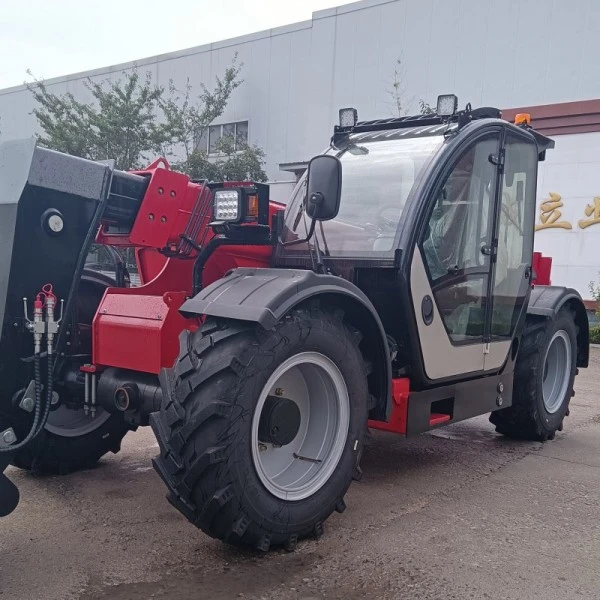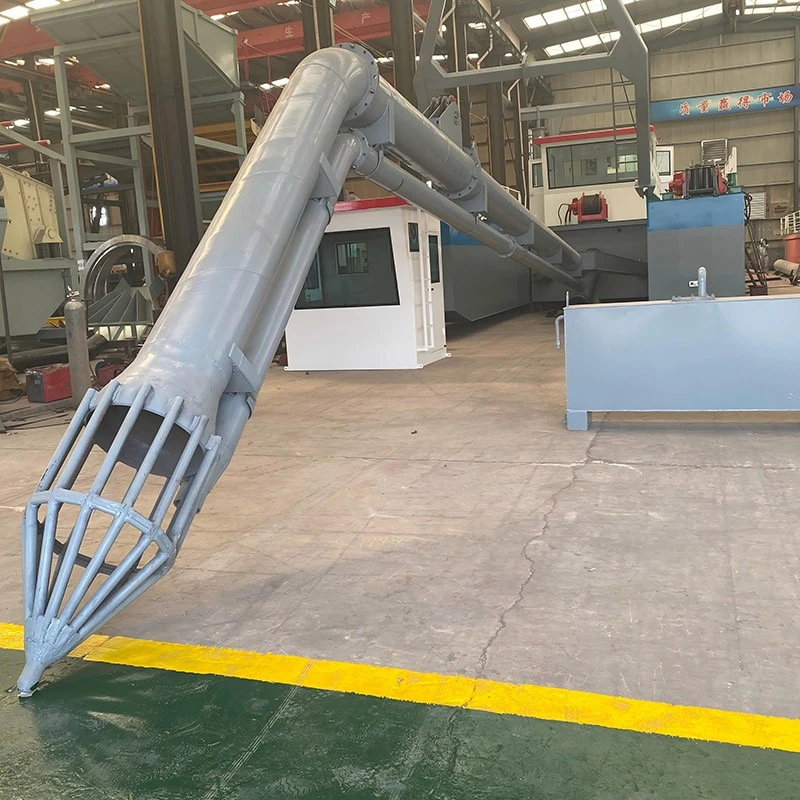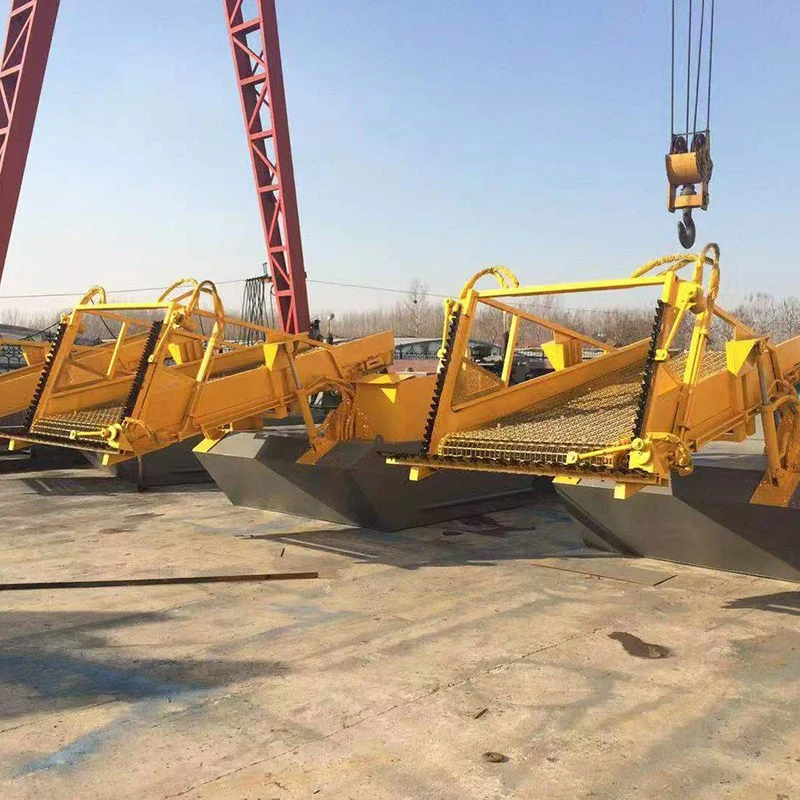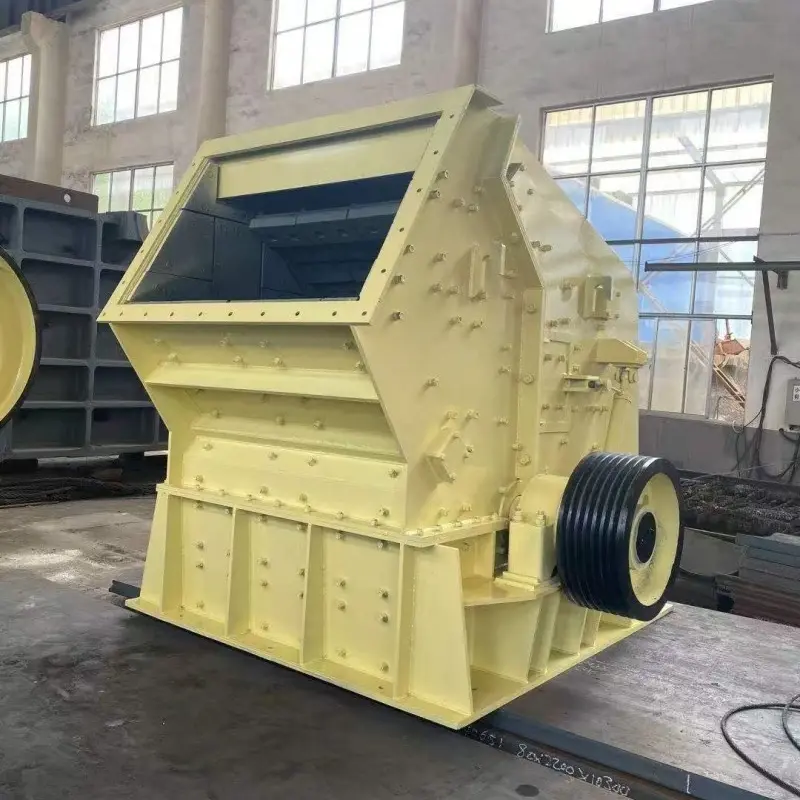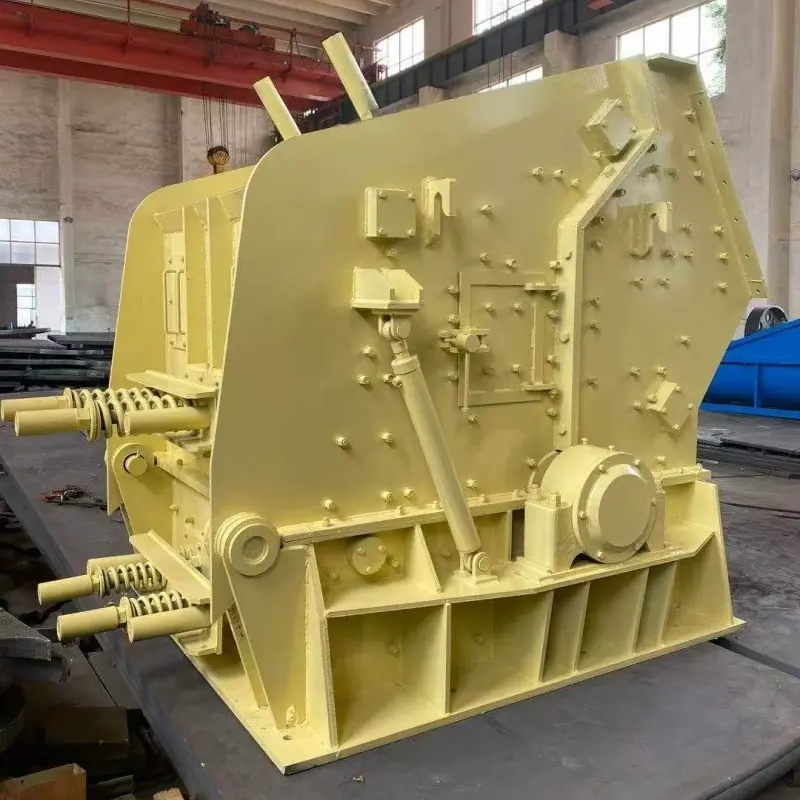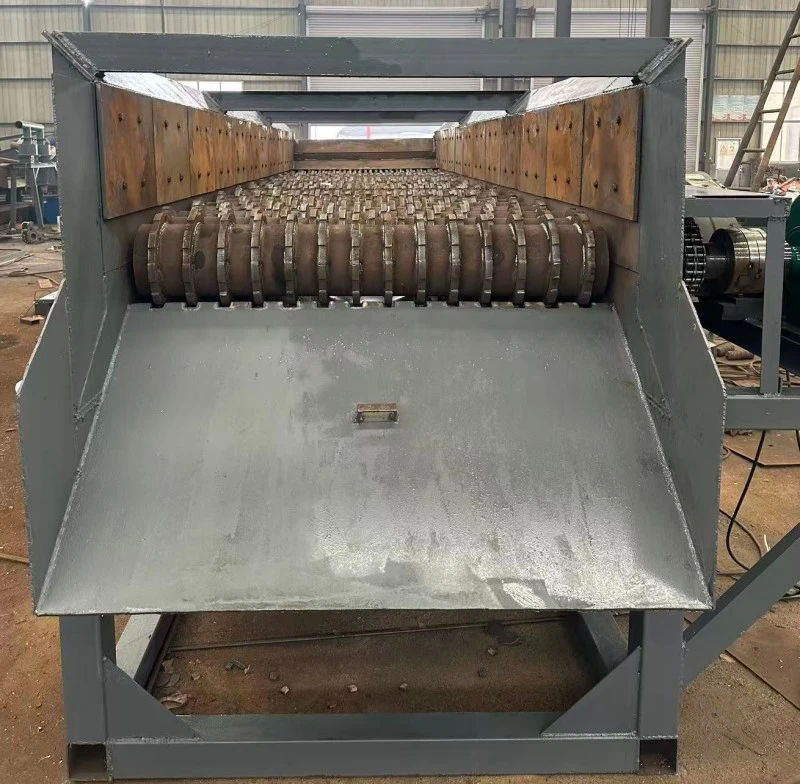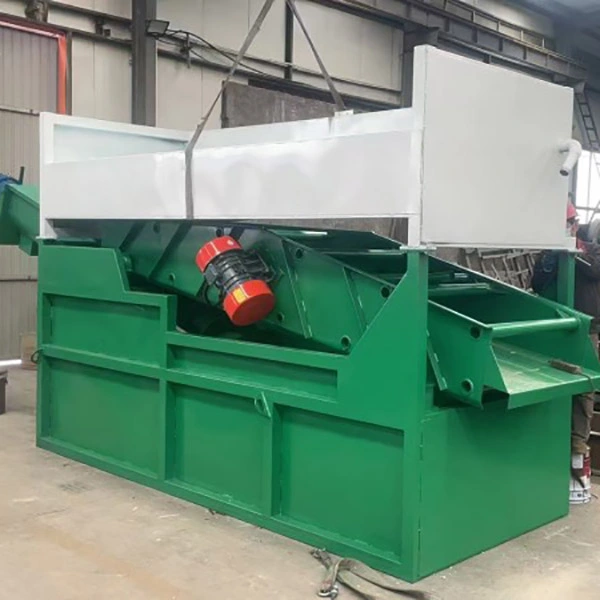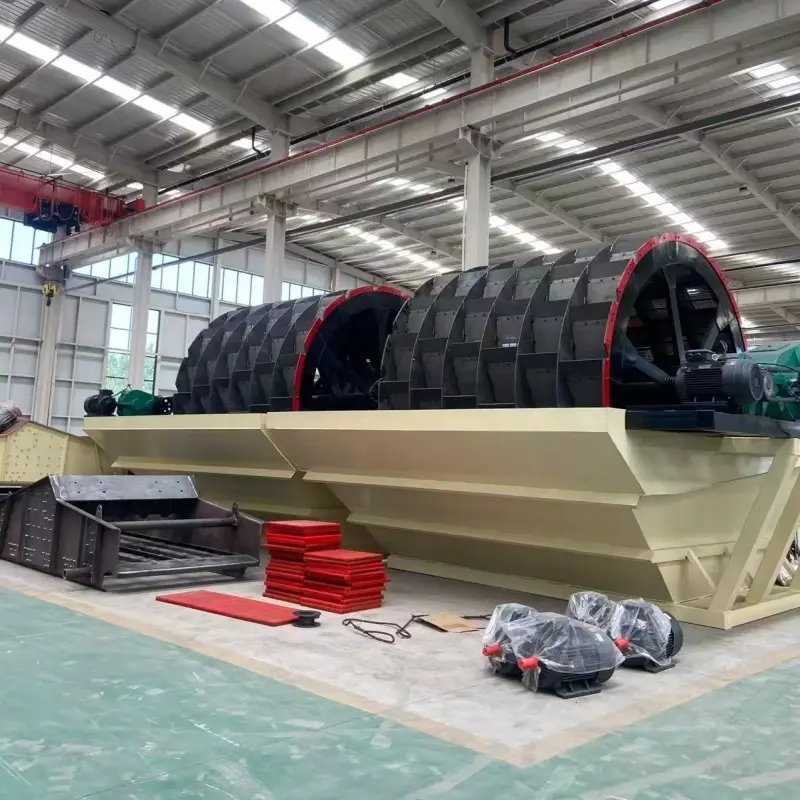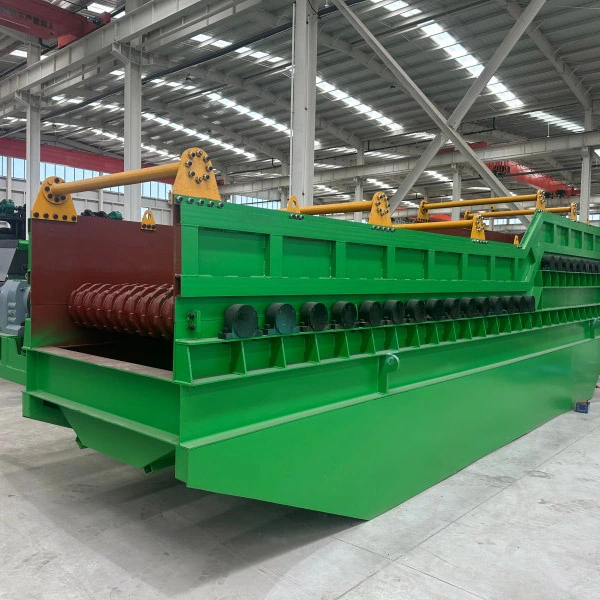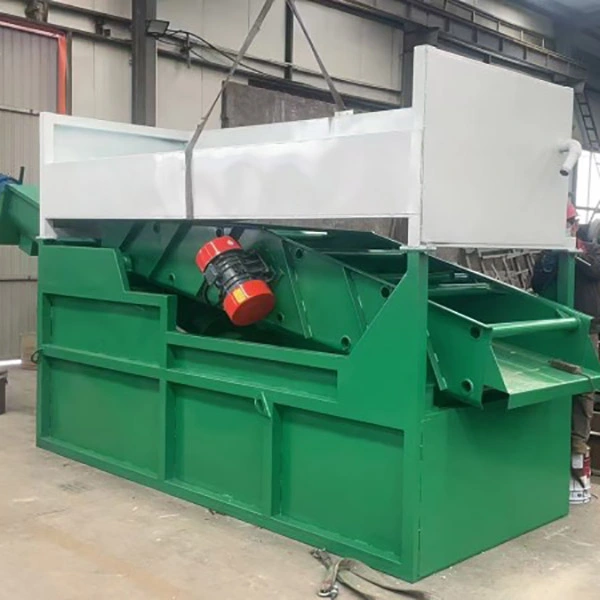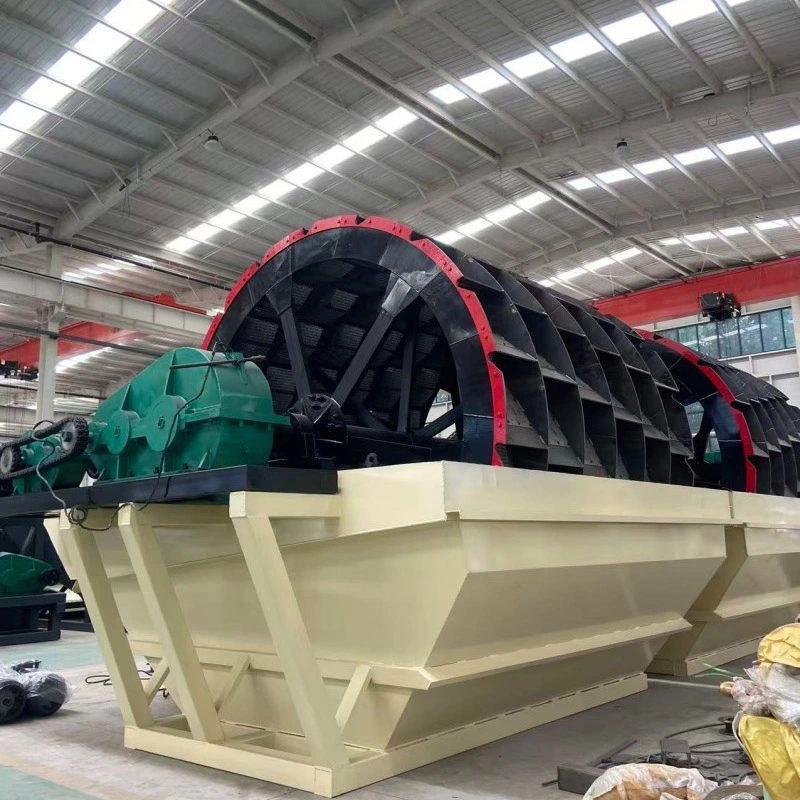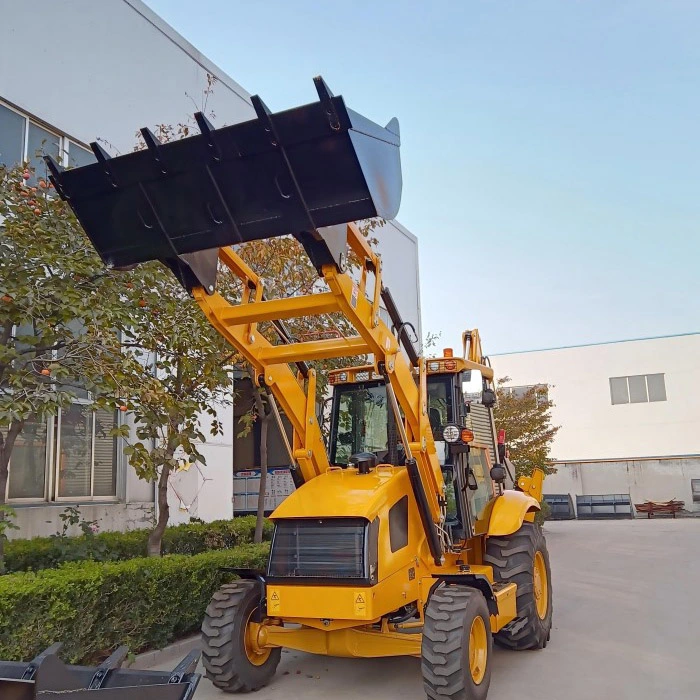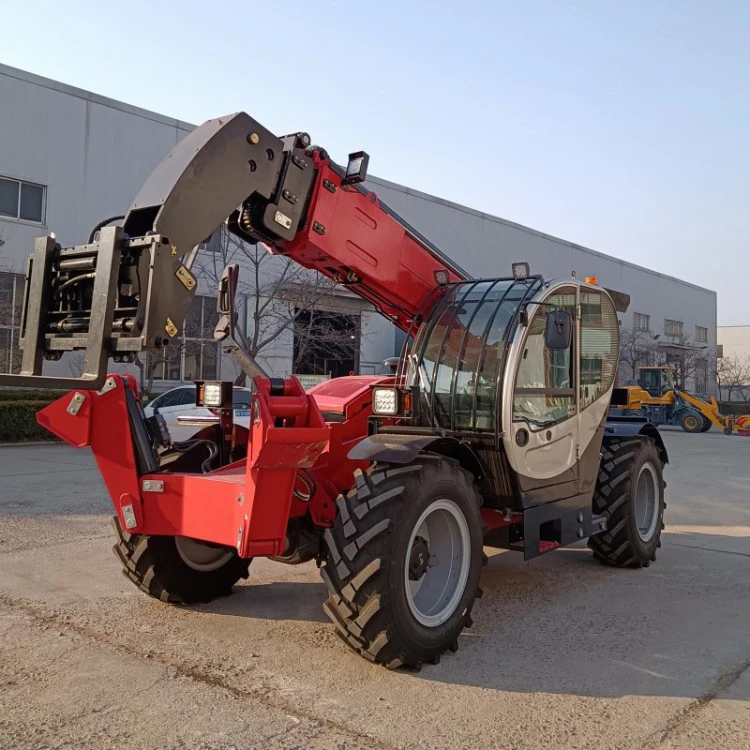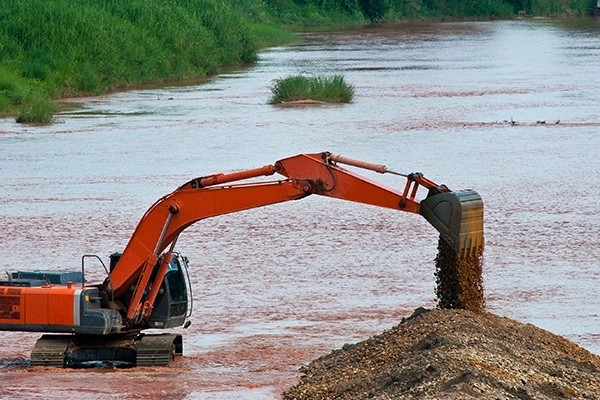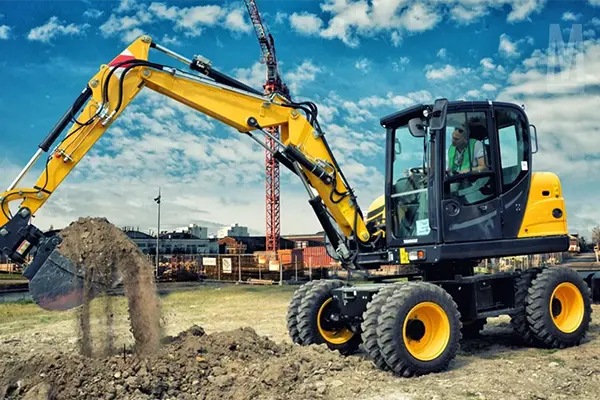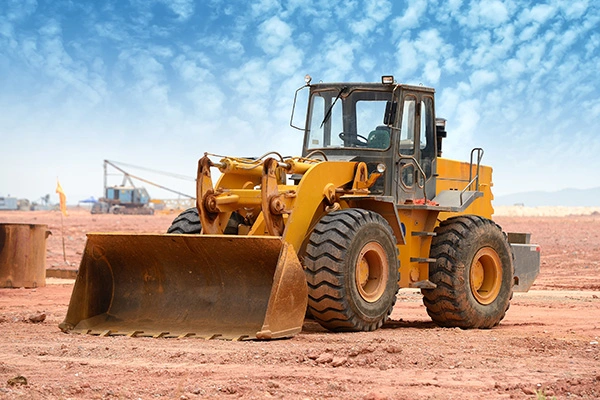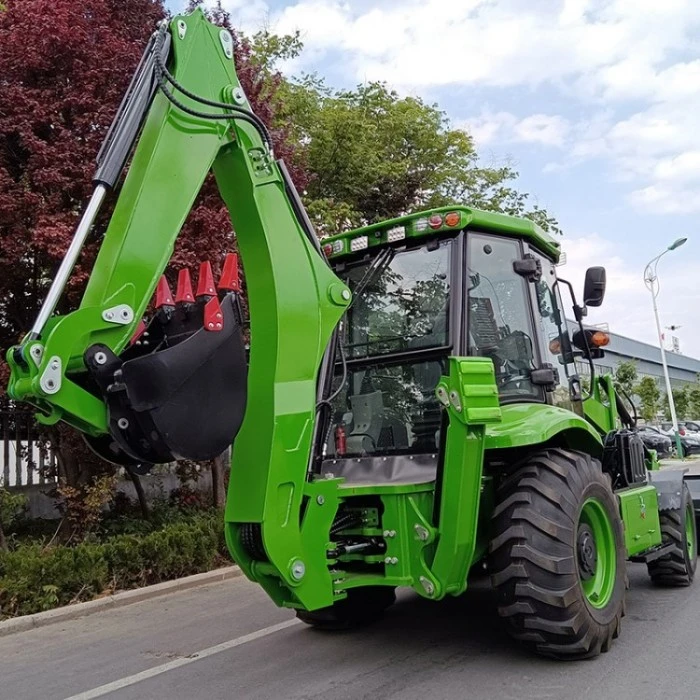

We offer a comprehensive one-stop sourcing solution across construction machinery, agricultural and forestry equipment, marine and power systems, hydraulic components, and new energy devices, all customizable to meet diverse project needs.
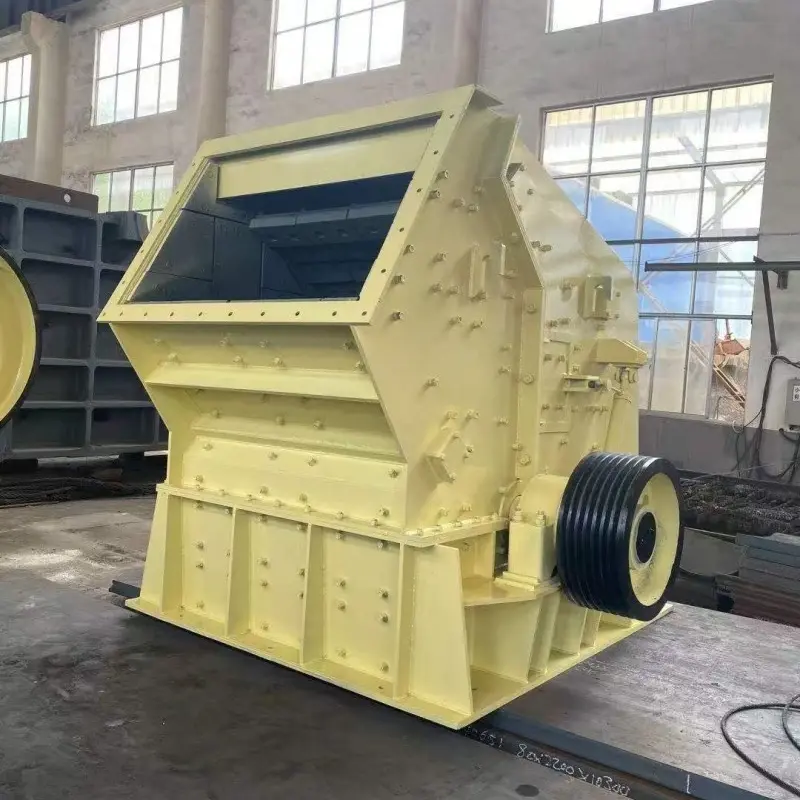
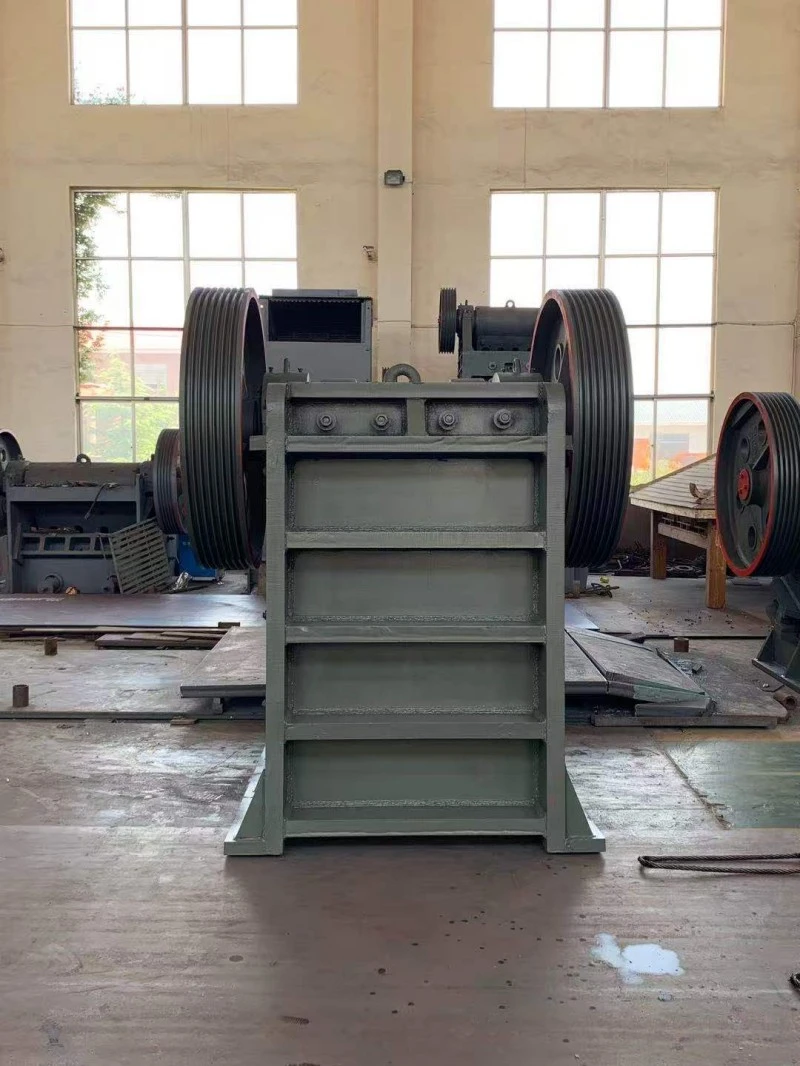
Qingzhou Mingxu Supply Chain Co., Ltd. supplies jaw crushers for primary crushing in mining, quarrying, aggregate production, road construction, and construction waste processing. The Jaw Crusher for Concrete Recycling uses jaw plate compression to break hard materials such as granite, iron ore, and concrete blocks.
The crusher is designed for continuous operation with adjustable discharge size. Factory stock, specification customization, and bulk orders are available. The equipment is intended for construction projects, aggregate plants, and mining operations.
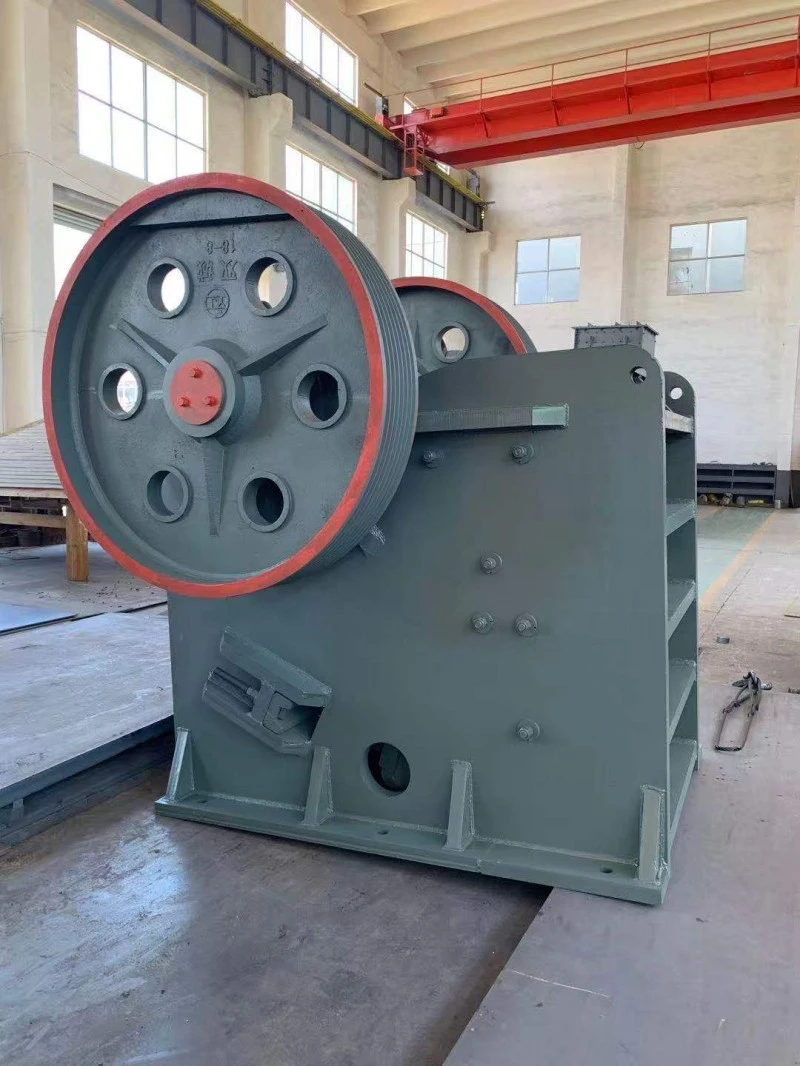
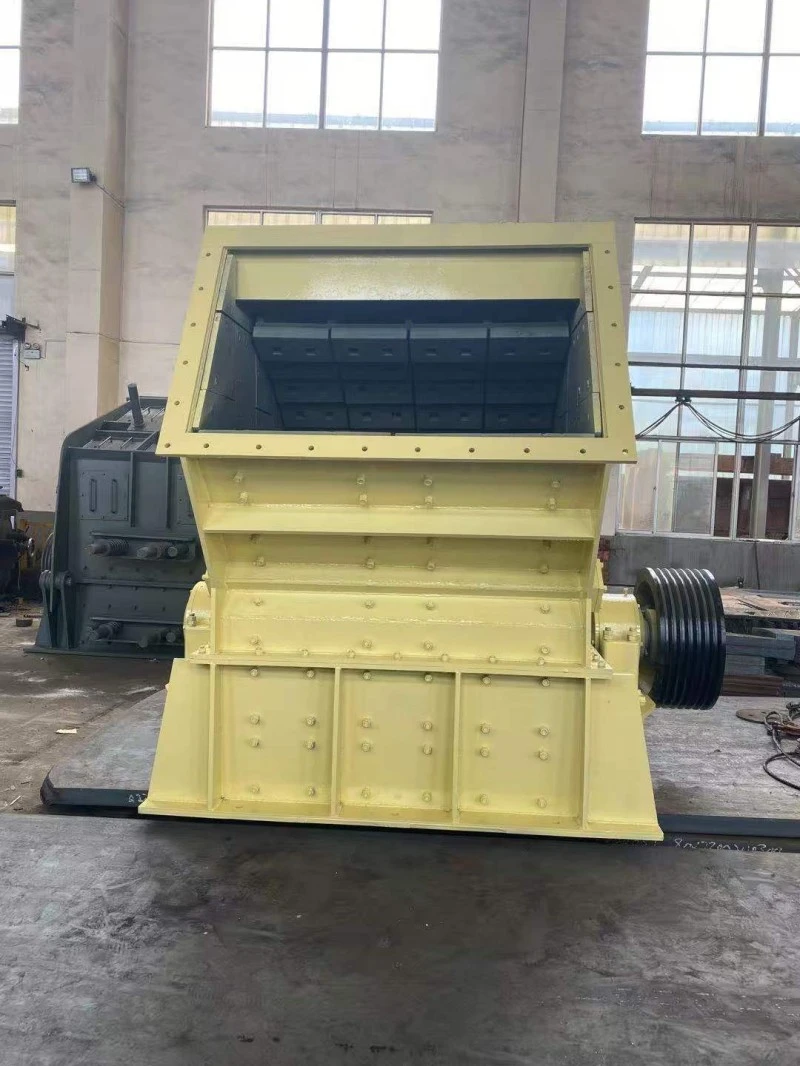
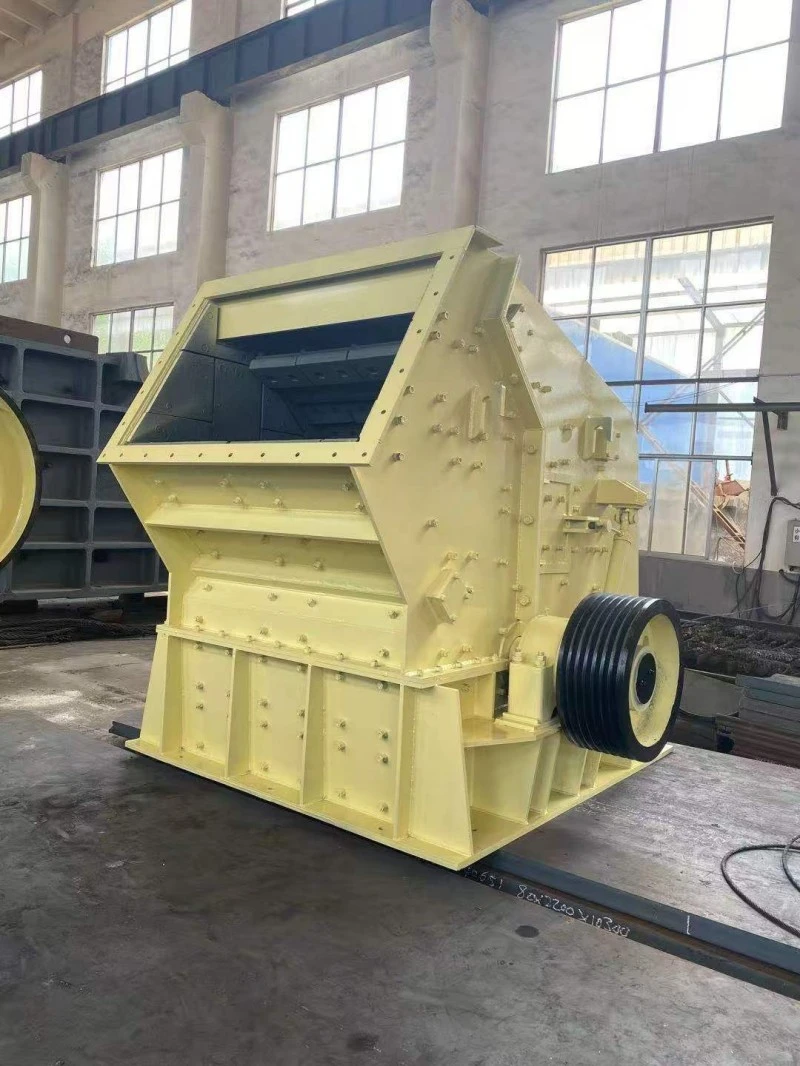
| Item | Description |
|---|---|
| Crushing Principle | Jaw plate compression |
| Drive Type | Electric motor with V-belt and flywheel, or diesel option |
| Discharge Adjustment | Mechanical wedge or hydraulic system |
| Safety Device | Spring buffer for uncrushable material |
| Frame Construction | Welded heavy-duty steel |
| Configuration | Stationary or mobile |
1. Reinforced frame. The welded steel structure is designed to withstand heavy impact during continuous mining and quarrying work.
2. Deep crushing chamber. The chamber profile reduces dead zones, helps maintain throughput, and contributes to uniform product size with lower power consumption.
3. Adjustable discharge. The gap can be changed mechanically or hydraulically to control output particle size without stopping production.
4. Maintenance access. Wear parts such as jaw plates are designed for straightforward removal and replacement with standard tools.
5. Flexible power options. Both electric and diesel configurations are available, including stationary and mobile arrangements for remote sites.
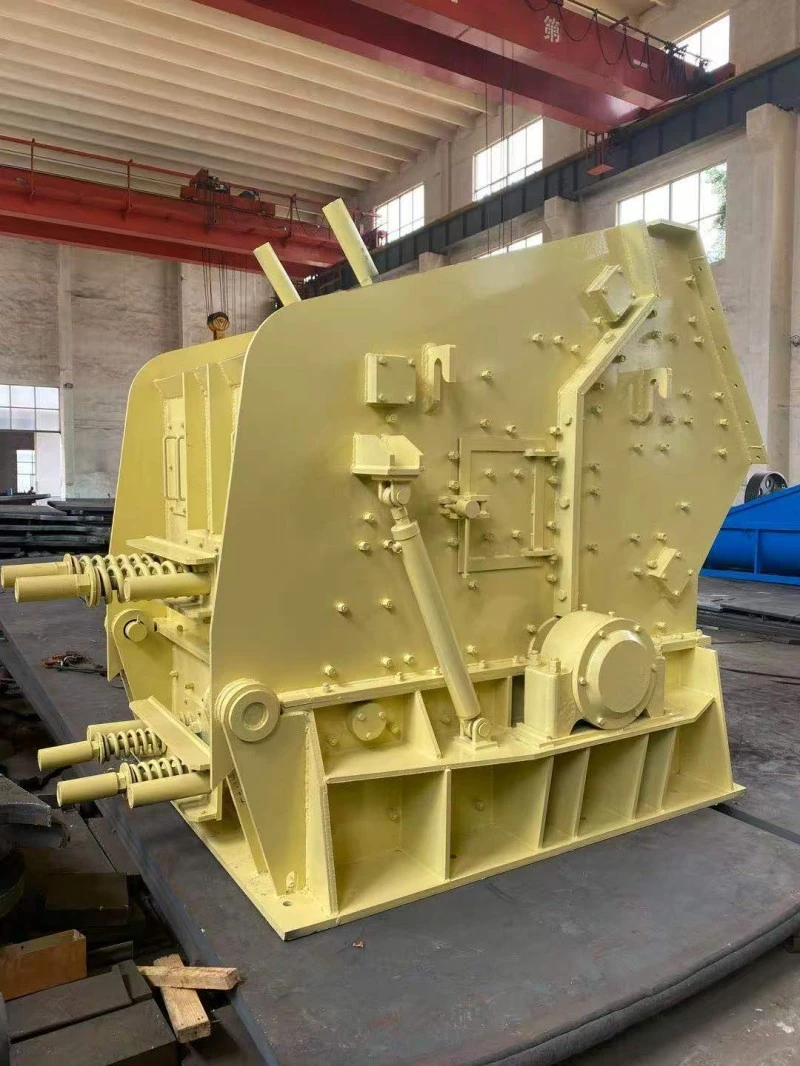
1. Power transmission: The electric motor drives the flywheels through V-belts, rotating the eccentric shaft. This motion causes the movable jaw to swing back and forth.
2. Crushing process: Material enters from the top feed opening. The movable jaw moves toward the fixed jaw, applying compression, splitting, and bending forces to break large rocks into smaller pieces.
3. Discharge and sizing: Crushed material that reaches the required size falls through the bottom discharge gap. Oversized pieces remain in the chamber for further crushing. The discharge gap can be adjusted to change the final product size.
4. Overload protection: A spring buffer system at the bottom releases when uncrushable objects such as metal enter the chamber. This allows the foreign object to pass without damaging the main components.
The crusher can be configured with either an electric motor or a diesel engine, depending on site power availability and operational requirements. Electric drive is suitable for fixed plants with stable grid supply, offering lower operating cost and simplified control integration. Diesel drive is used in remote locations or for mobile crushing units where grid power is unreliable or unavailable.
For mobile applications, the crusher can be mounted on a skid frame or trailer with the power unit and discharge conveyor integrated. In stationary installations, the machine is typically installed on a concrete foundation with separate feeding and screening equipment. The layout can be adapted to match the customer's existing process flow, including options for pre-screening, magnetic separation, and product conveyors.
When a complete crushing line is required, the jaw crusher can be combined with secondary cone crushers, impact crushers, vibrating screens, and sand making machines. Selection of each stage is based on the feed material properties, required final product sizes, and hourly throughput. Our technical team can provide a process flow diagram and equipment list for review before order confirmation.
The spring buffer system serves as the primary mechanical protection against uncrushable objects. When excessive force is applied to the movable jaw, the springs compress and the discharge opening enlarges temporarily, allowing the foreign object to pass through. After the object is cleared, the springs return to the original position and normal crushing resumes. This design reduces the risk of bearing damage and eccentric shaft failure.
Discharge size is controlled by adjusting the gap between the movable jaw and the fixed jaw at the bottom of the crushing chamber. Two adjustment methods are available: mechanical wedge adjustment and hydraulic adjustment. The mechanical wedge system uses shims or a wedge block to set the gap manually, which is simple and reliable for standard operations. The hydraulic system allows the gap to be changed more quickly and is often used in high-production plants where product size changes are frequent.
The adjustment mechanism is designed to maintain the set gap during normal operation, preventing drift that could affect product consistency. Regular inspection of the wedge position and spring tension is recommended to ensure the system continues to function accurately. For operations with strict particle size requirements, the hydraulic adjustment option provides finer control and faster response.
Before startup:
1. Inspect jaw plates, bolts, and belt tension. Remove debris from the crushing cavity.
2. Set the discharge gap to the required size and apply lubrication to all grease points.
3. Run the machine without load for 3–5 minutes. Begin feeding only after confirming no abnormal noise or vibration.
During operation:
1. Feed material evenly. Prevent metal blocks or oversized stones from entering the cavity.
2. Monitor discharge size, motor current, and bearing temperature. Stop immediately if any fault is detected.
3. Never reach into the crushing cavity while the machine is running. Disconnect power before any maintenance.
Shutdown:
1. Stop feeding and allow all material to clear from the chamber.
2. Run the machine empty for a short period before cutting power.
3. Clean dust from the machine and check wear on jaw plates and other consumable parts.

1. Mining: primary crushing of iron ore, gold ore, limestone, granite, basalt, and river pebble.
2. Aggregate production: processing raw stone for highway, bridge, and concrete batching plant use.
3. Infrastructure: stone preparation for railway, water conservancy, tunnel, and airport projects.
4. Construction waste: crushing concrete blocks and demolition debris for recycling.
The main structure and drive components are covered for 12 months or 1,000 working hours, whichever comes first. Wear parts such as jaw plates and liners are not included in the warranty. Replacement parts can be supplied; freight and installation labor are the customer's responsibility.
Q1: Are you a factory or a trading company? Can we visit the production site?
A1: Qingzhou Mingxu Supply Chain works with a dedicated crusher manufacturing workshop. Buyers are welcome to arrange a factory visit for machine inspection and material testing.
Q2: How do I choose the right jaw crusher model?
A2: The selection depends on feed size, required output, material hardness, and available power. Providing a basic description of the raw material and target production rate can help confirm a suitable configuration.
Q3: What maintenance is needed for continuous operation?
A3: Regular checks should include jaw plate wear, belt tension, lubrication points, and discharge gap setting. Daily cleaning of the crushing chamber and surrounding area helps prevent buildup. Spare jaw plates and liners should be kept on site for long projects.
Q4: Can the crusher be used in a mobile configuration?
A4: Yes. Both stationary and mobile arrangements are available. Mobile units can be equipped with diesel engines for off-grid sites, and the crusher can be mounted on a trailer or skid frame.
Q5: What is the difference between mechanical and hydraulic discharge adjustment?
A5: Mechanical adjustment uses shims or a wedge block and is set manually; it is simple and reliable for fixed production. Hydraulic adjustment allows the gap to be changed quickly and is better suited for operations that frequently switch product sizes or require precise, repeatable settings.
Address
West end of Yadong Street, Qingzhou Economic Development Zone, China
Tel