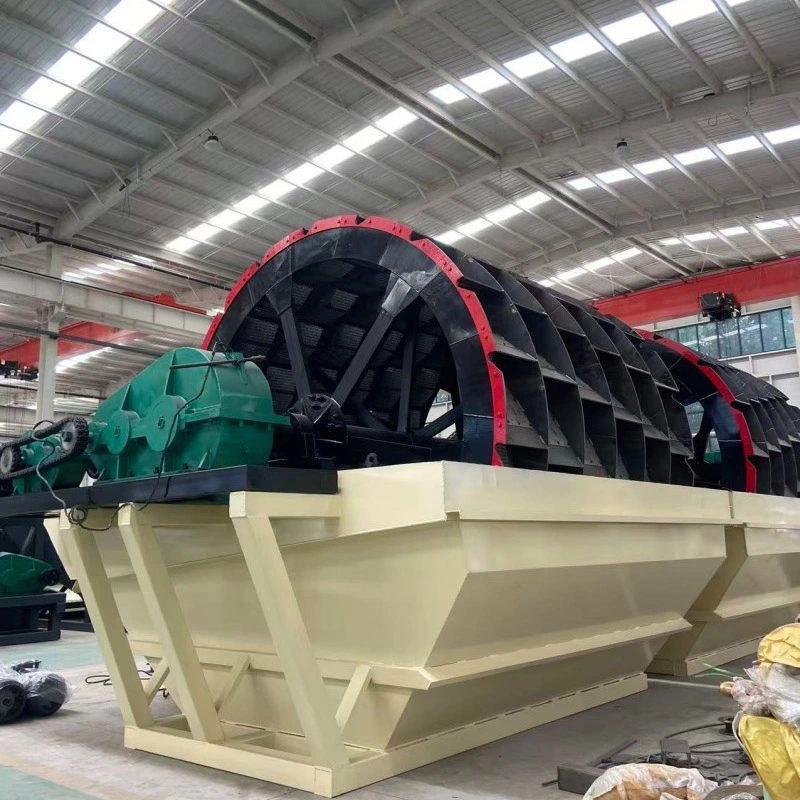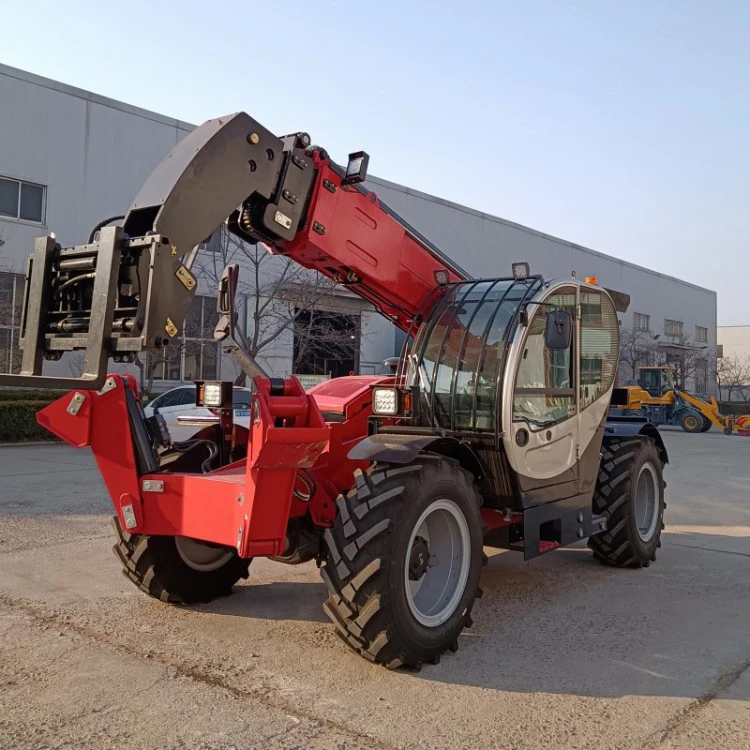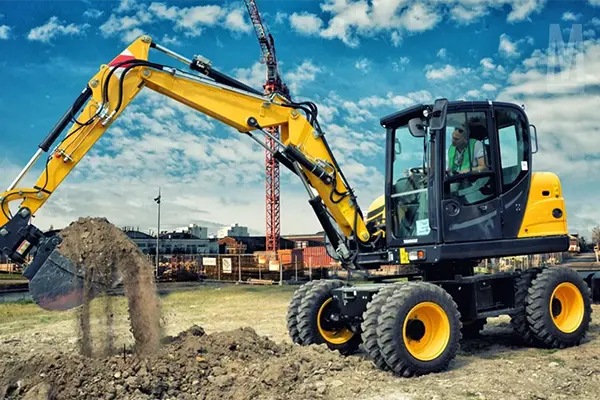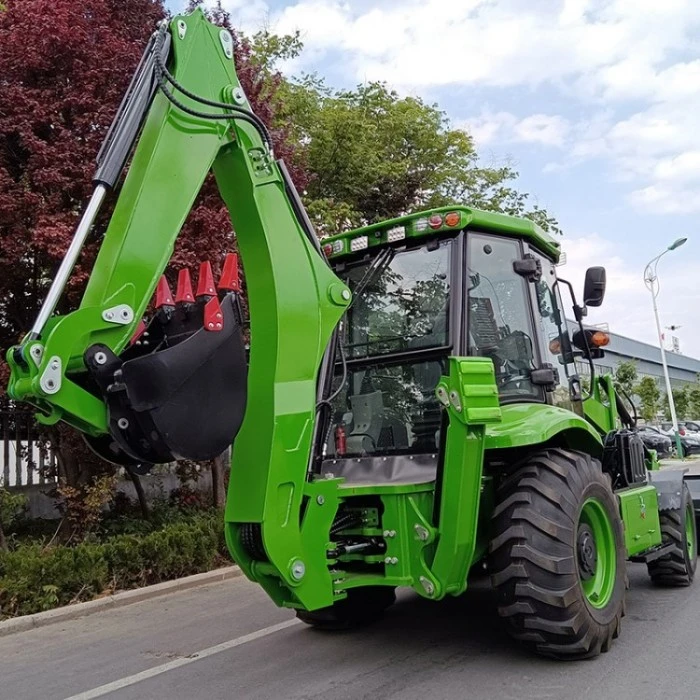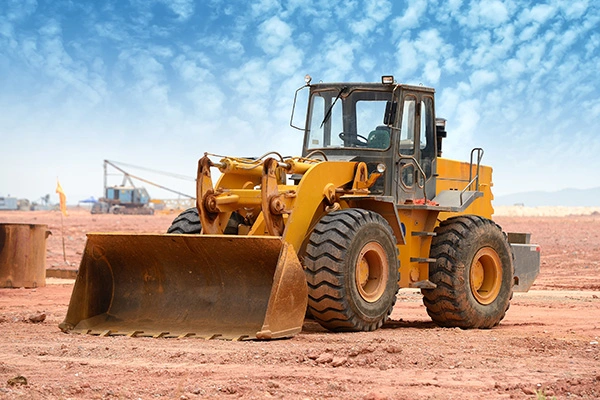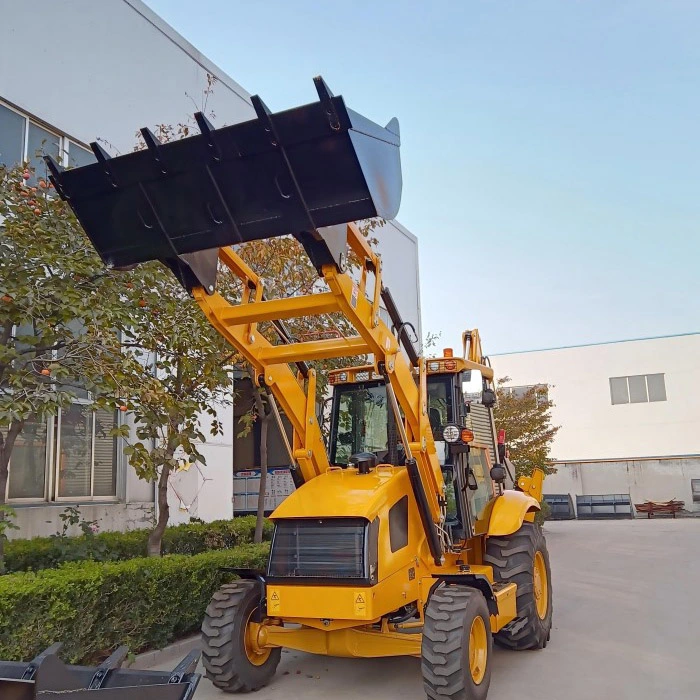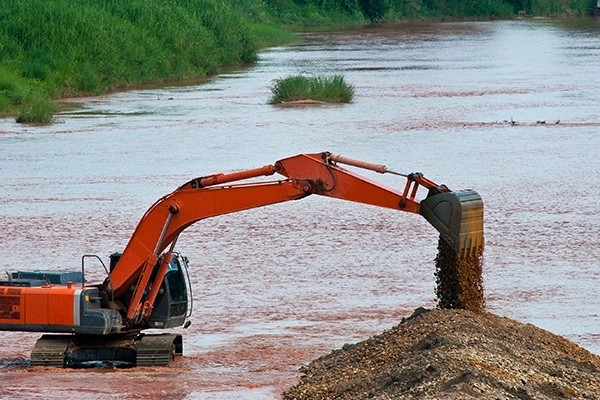

We offer a comprehensive one-stop sourcing solution across construction machinery, agricultural and forestry equipment, marine and power systems, hydraulic components, and new energy devices, all customizable to meet diverse project needs.
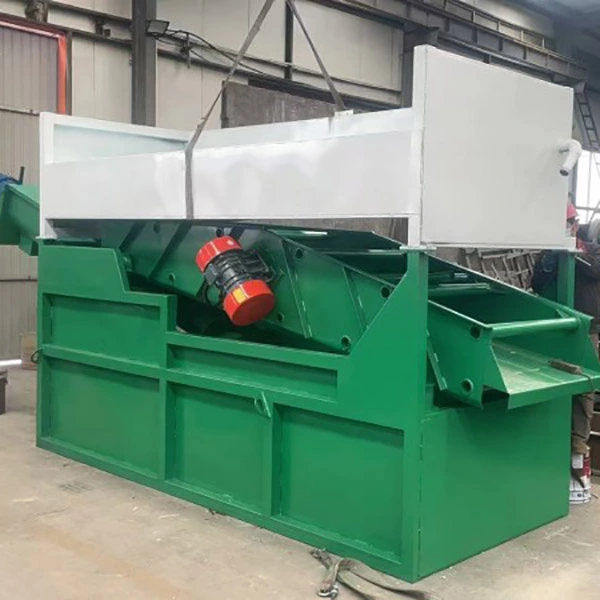
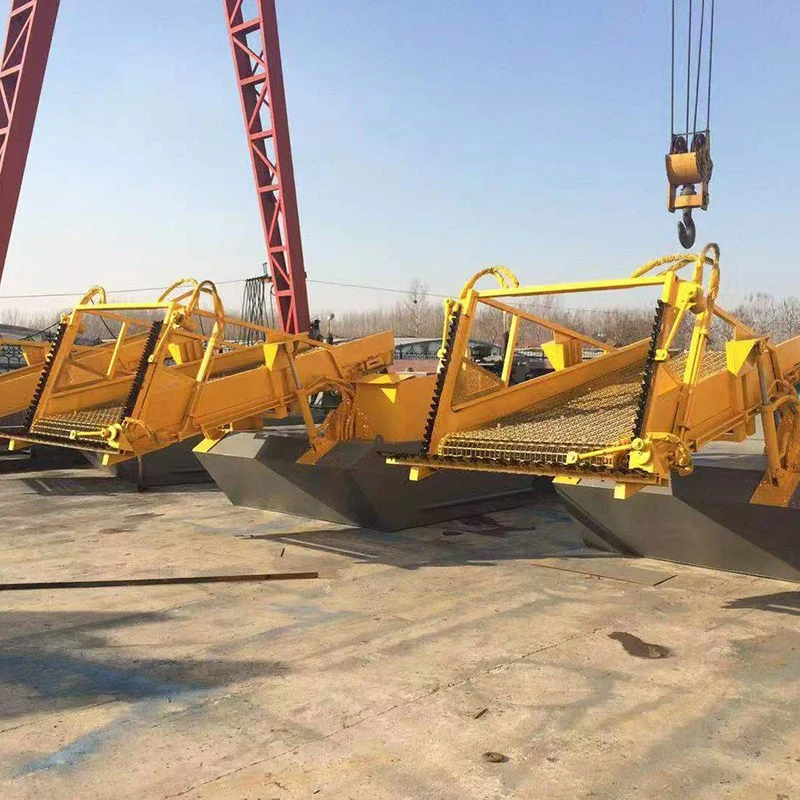
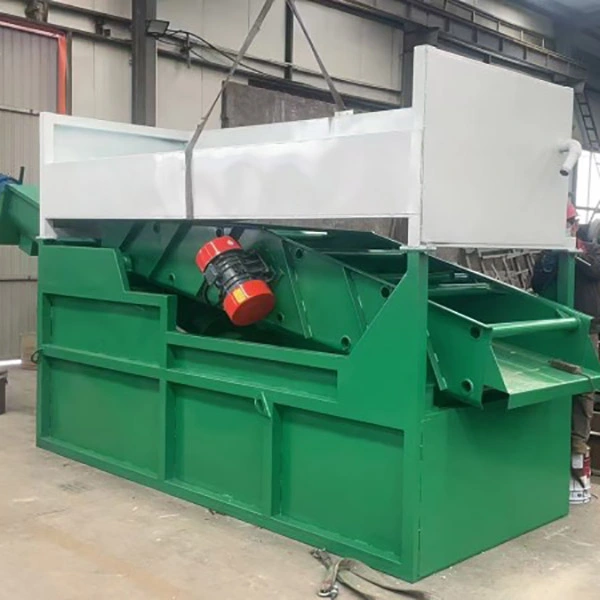
Designed for sand production lines, mine tailings processing, and construction waste recycling, the high-frequency vibrating dewatering screen from Qingzhou Mingxu Supply Chain combines screening and dewatering in a single machine. Its structure helps reduce sand moisture content and recover fine sand that would otherwise be lost during the washing process.
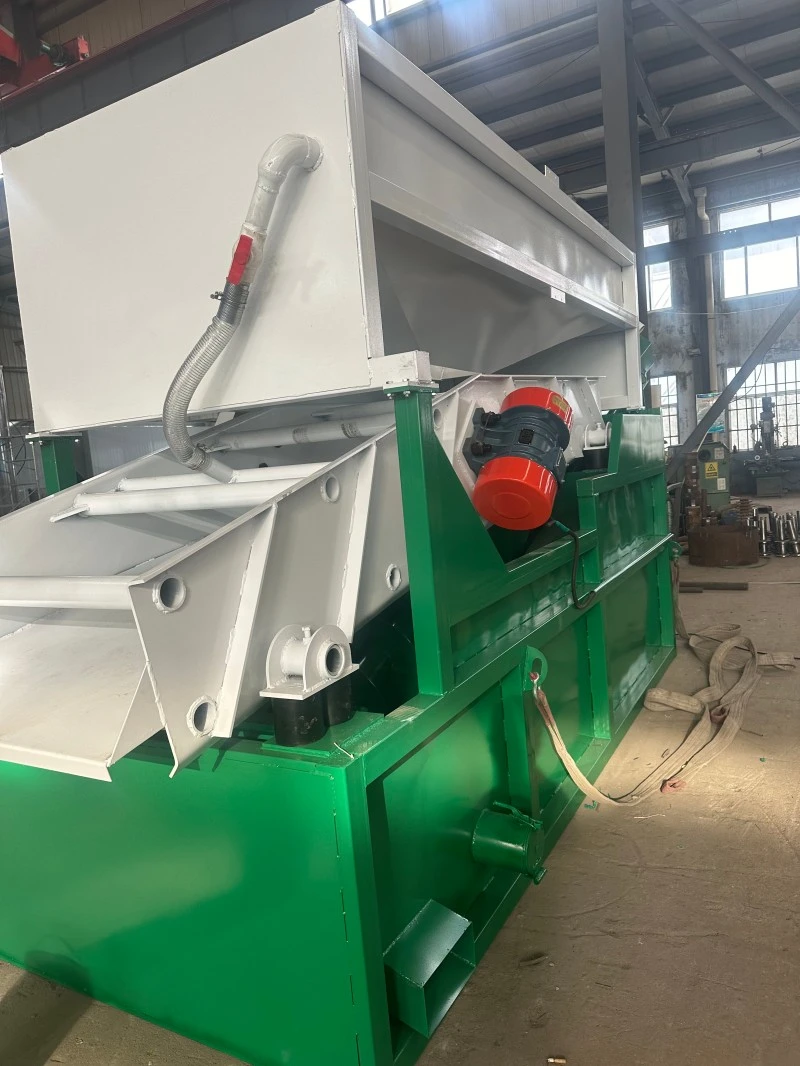
The Screening Equipment for Sand and Gravel is driven by two vibration motors, producing high-frequency movement that reduces mesh blockage and maintains consistent screening performance. Mesh size, deck angle, and throughput can be customized to match specific production targets, and the unit is available as a single purchase or in bulk orders.
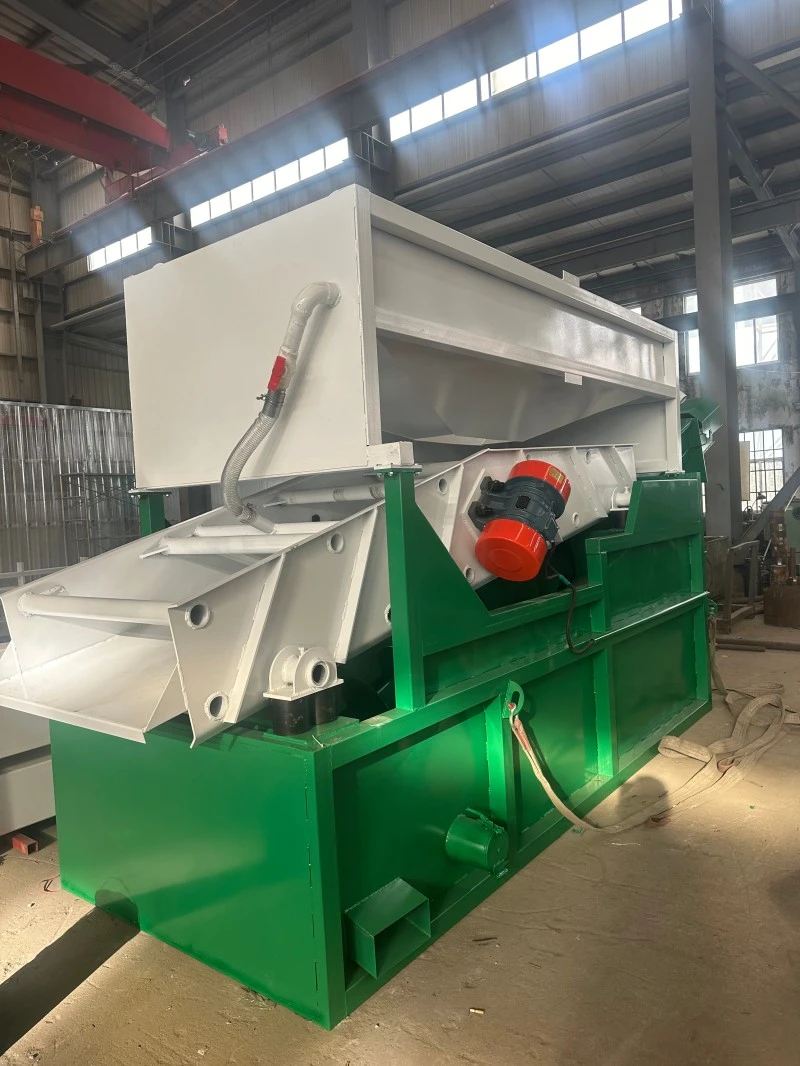
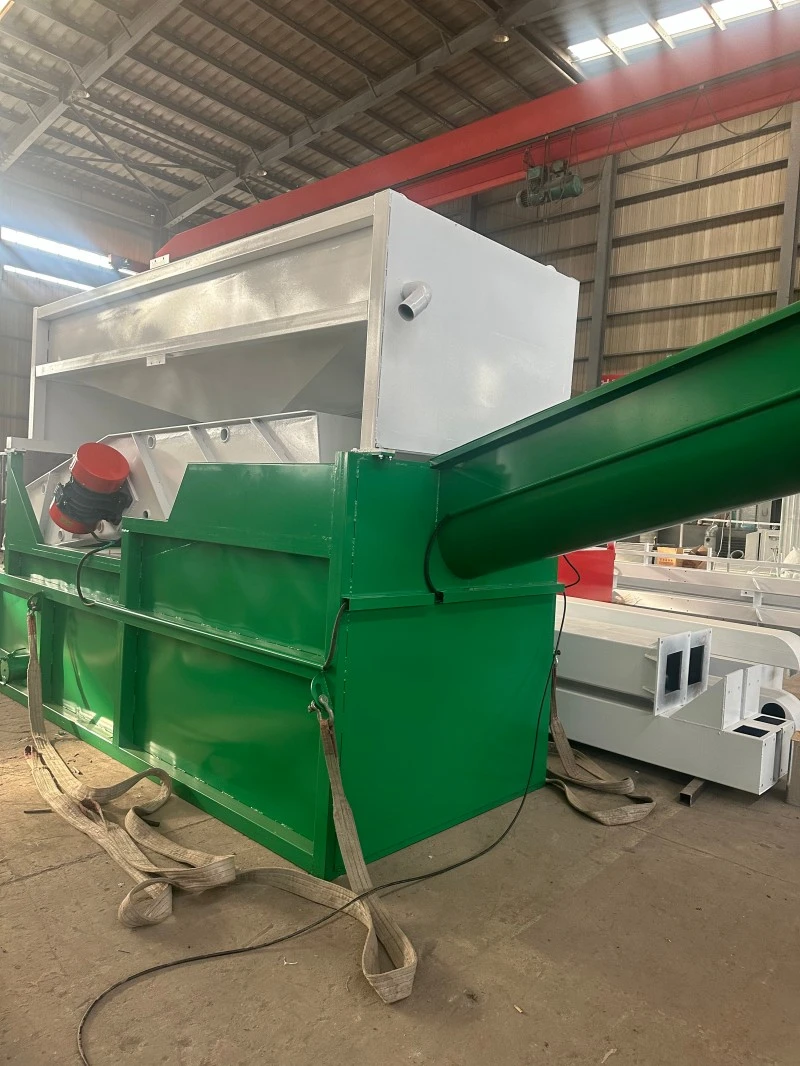
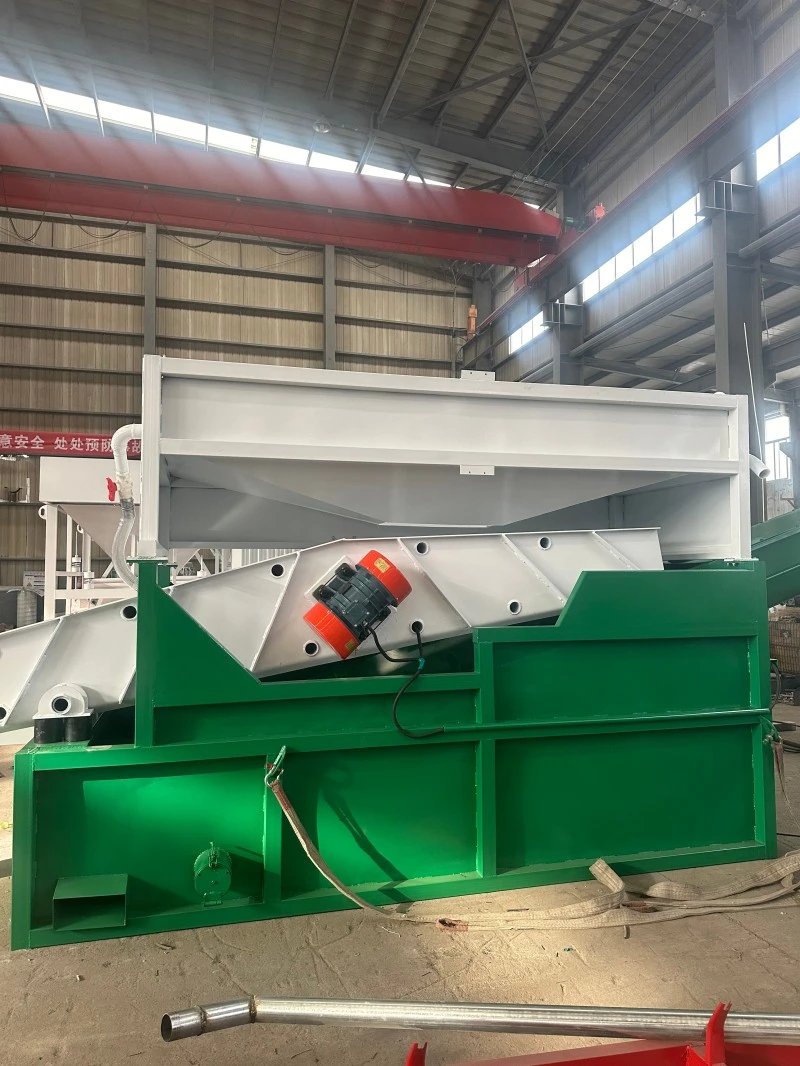
| Item | Description |
|---|---|
| Screening Method | High-frequency vibration, inclined screen deck |
| Drive Type | Two vibration motors |
| Dewatering Method | Integrated water tank with overflow outlet; matched sand pump for fine sand recovery |
| Applicable Materials | Manufactured sand, mine tailings, river sand, construction waste recycled aggregate |
| Screen Anti-blocking | High-frequency vibration reduces mesh clogging by mud and stone powder |
| Customization | Screen mesh size, deck angle, and processing capacity adjustable |
1. Combined screening and dewatering. The machine performs sand grading, mud separation, and fine sand recovery in a single pass, producing sand with reduced moisture content without extended air drying.
2. Anti-blocking screen design. Strong high-frequency vibration keeps the mesh clear of mud and stone powder, maintaining stable screening precision during continuous operation.
3. Fine sand recovery. The lower water tank captures fine sand that would otherwise be washed away, reducing material loss and improving overall yield.
4. Low maintenance requirements. The structure is relatively simple, with wear parts limited mainly to the screen mesh and vibration motor bearings. Routine inspection and cleaning are straightforward.
Anti-blocking screen structure. The screen deck is designed to work with high-frequency vibration, which dislodges particles that would otherwise adhere to the mesh. The mesh opening shape and wire diameter are selected according to the feed material characteristics to reduce blinding. In addition, the screen panel can be configured with a slight crown or stepped layout to promote even material distribution and self-cleaning during operation.
Vibration isolation system. The screen body is supported on a set of rubber or steel coil springs that absorb the dynamic forces generated by the vibration motors. This reduces the transmission of vibration to the supporting frame and foundation, protecting surrounding structures and extending the life of the machine itself. The spring arrangement also helps maintain stable screen amplitude under varying load conditions.
Water circulation optimization. The lower water tank is designed with an overflow weir to separate settled fine sand from the turbid water stream. The included sand pump draws from the bottom of the tank where fine sand accumulates, while clarified water overflows at a controlled level. This arrangement allows process water to be recycled back to the washing stage in closed-loop systems, reducing total water consumption and minimizing wastewater discharge.
Capacity, screen aperture, and complete line configuration can be planned according to the production target and material properties. The screen deck length and width are adjustable within a standard design range, and mesh size is selected to match the required product gradation. For turnkey projects, the dewatering screen can be integrated with upstream sand washers, fine sand recovery units, and downstream conveyors, with process flow and layout drawings provided for review before production.
The sand-water mixture from a sand washer is fed into the machine's hopper. Two vibration motors drive the screen body in high-frequency reciprocating motion. Coarse aggregate moves forward along the inclined screen deck and discharges from the front end. Muddy water containing fine sand passes through the screen mesh and falls into the lower water storage tank. A matched sand pump extracts the fine sand for recovery, while turbid water flows out through the overflow outlet. This completes screening, dewatering, and fine sand recovery in one continuous operation.
1. Before startup: Check vibration motors, screen mesh, shock springs, and water tank for damage or debris. Remove any foreign objects.
2. No-load test: Run the machine empty for 2–3 minutes. Listen for abnormal noise or excessive shaking. Begin feeding only after stable operation is confirmed.
3. Production operation: Feed material evenly. Adjust motor exciting force according to the desired sand dryness. Check the screen regularly for blockage.
4. Shutdown: Stop feeding first. Allow the screen to vibrate briefly to clear remaining material, then cut off power. Flush sludge from the screen if necessary.
5. Safety: Do not touch the screen or motors during operation. Disconnect power completely before any maintenance work.
1. Fine sand dewatering and recovery in sand washing lines at sand plants.
2. Sand dewatering for concrete batching plants.
3. Mud removal and fine sand extraction from mine tailings.
4. Purification and screening of river-mined sand.
5. Washing and dewatering of recycled aggregate from construction waste.
The main structure and drive components are covered for 12 months or 1,000 working hours, whichever comes first. Wear parts such as screen mesh and shock springs are not included in the warranty. Replacement parts can be supplied; freight and installation labor are the customer's responsibility.
Q1: What is the difference between this dewatering screen and a standard vibrating screen?
A1: A standard vibrating screen is mainly used for size classification. This dewatering screen is designed specifically for sand-water mixtures. It combines screening with a water collection tank and overflow system, allowing fine sand to be recovered while excess water is removed from the material.
Q2: Can the machine be used independently without a sand washer?
A2: The dewatering screen is typically installed after a sand washer. If the feed material already contains sufficient water to form a slurry, the screen can operate without a washer. For dry material, a washing stage is recommended before dewatering.
Q3: How often should the screen mesh be replaced?
A3: Mesh life depends on the abrasiveness of the material and daily operating hours. Under normal sand processing conditions, the mesh typically lasts several months. Regular inspection is recommended, and signs of wear include uneven screening, reduced dewatering effect, or visible tears. Spare mesh should be kept on site for continuous production.
Q4: What sand particle size range can the screen handle?
A4: The screen is suitable for fine to medium sand, typically in the range of 0.075 mm to 5 mm. The exact mesh size can be selected at the time of order based on the target product specification and feed material characteristics.
Q5: Does the vibration intensity affect the final sand moisture content?
A5: Yes. Higher vibration intensity generally improves dewatering effect by accelerating water separation. However, excessive vibration can cause premature wear on the screen and support springs. The exciting force should be adjusted to balance moisture reduction with equipment service life.
Address
West end of Yadong Street, Qingzhou Economic Development Zone, China
Tel