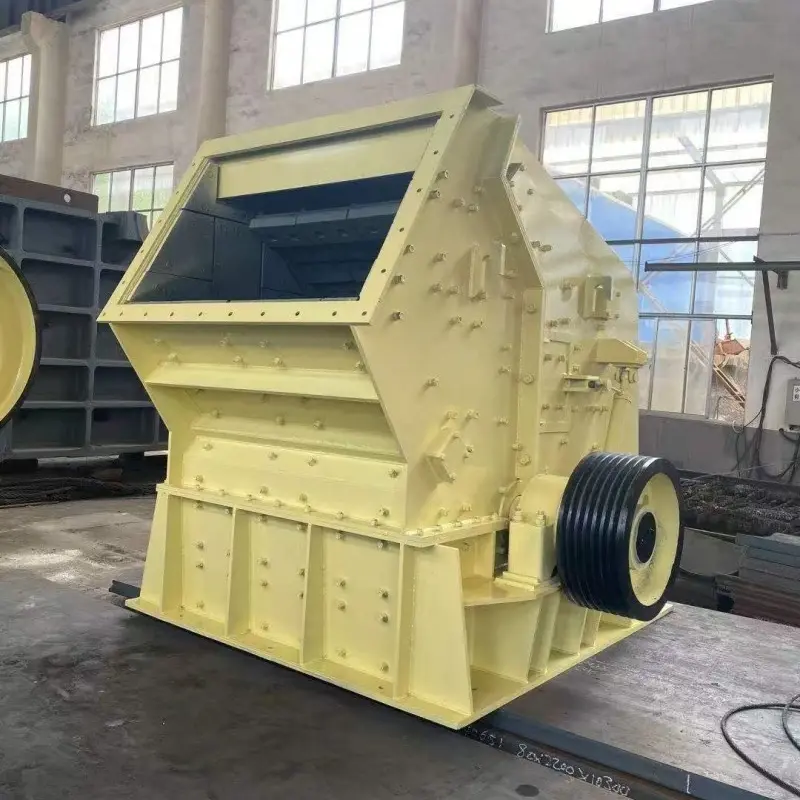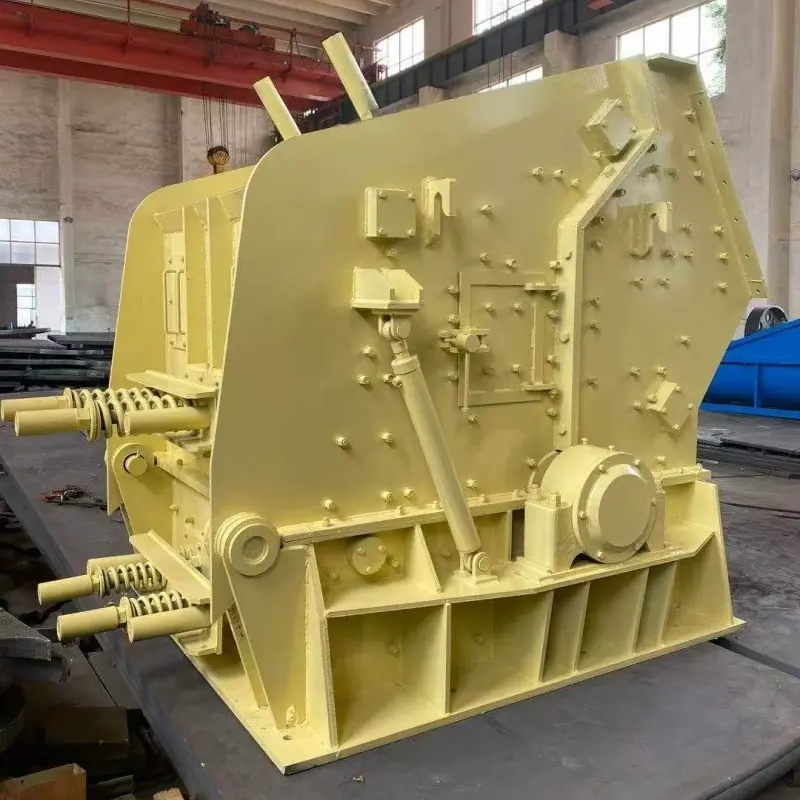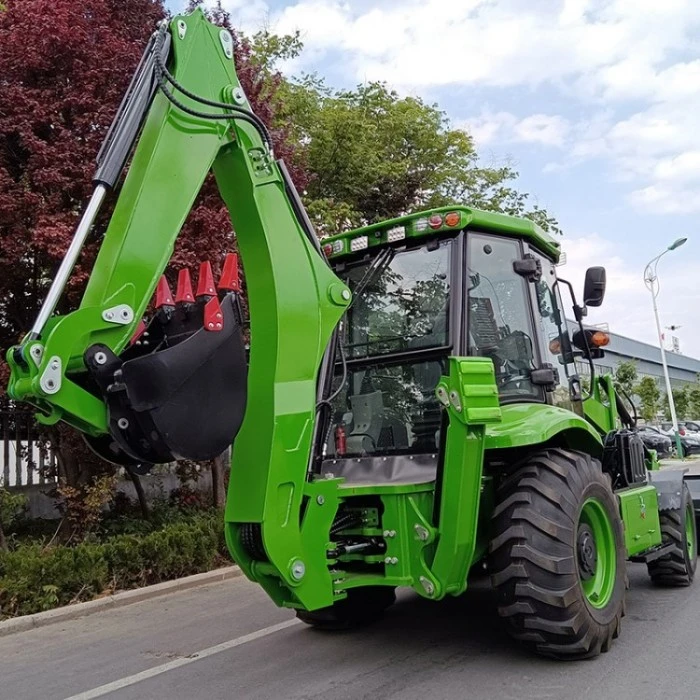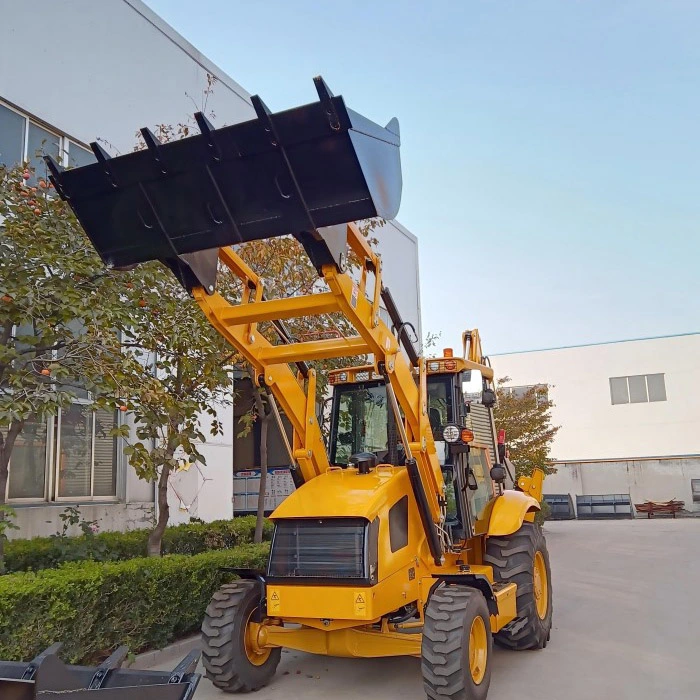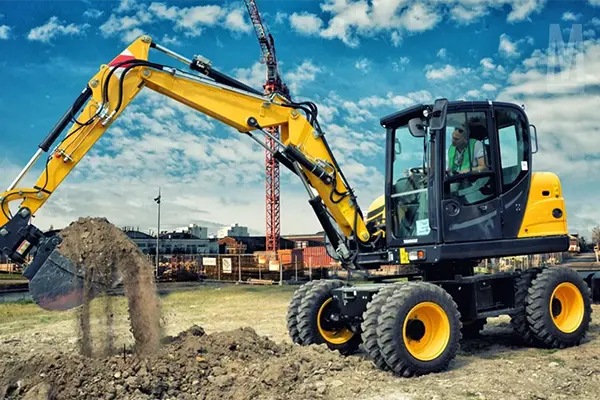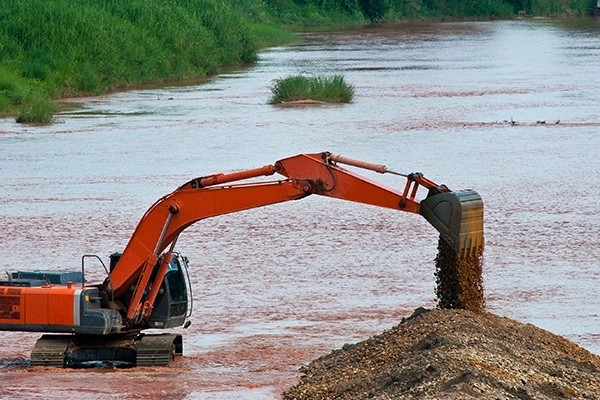

We offer a comprehensive one-stop sourcing solution across construction machinery, agricultural and forestry equipment, marine and power systems, hydraulic components, and new energy devices, all customizable to meet diverse project needs.
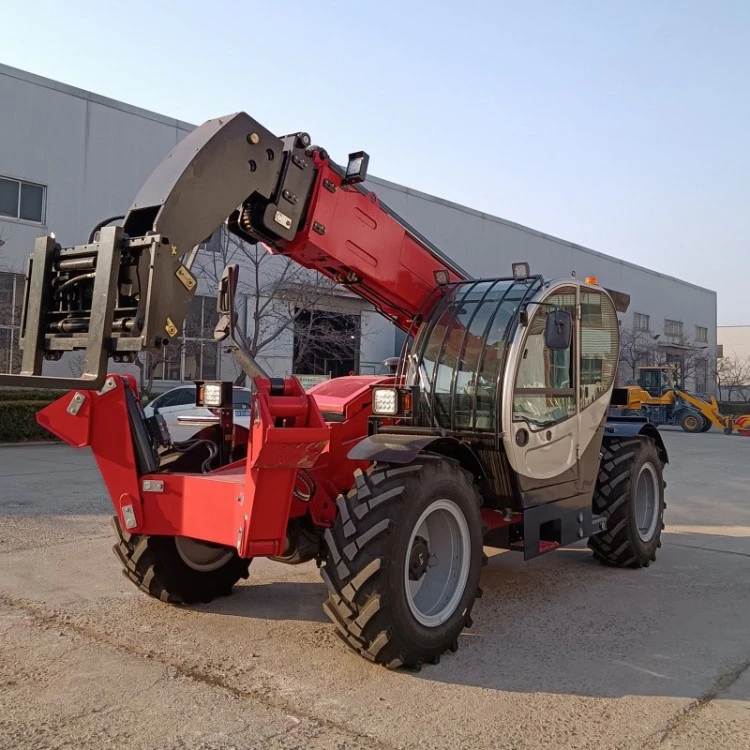
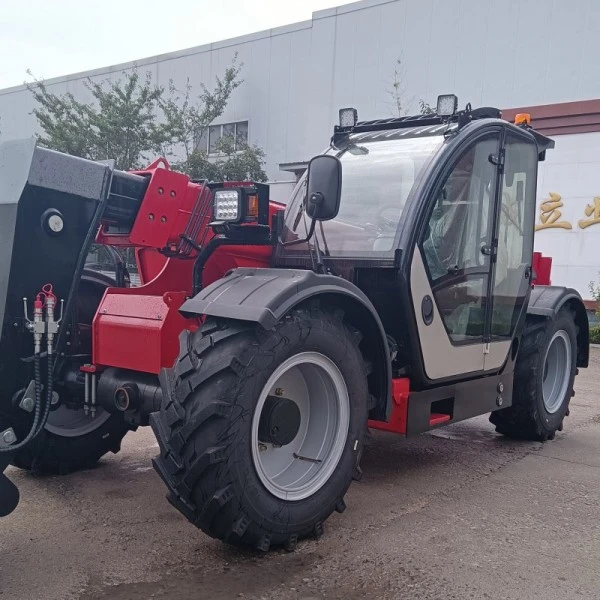
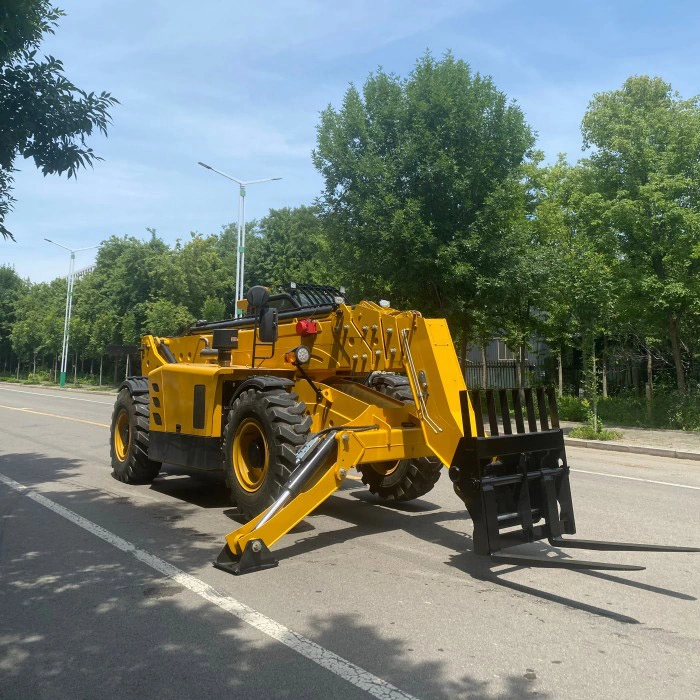
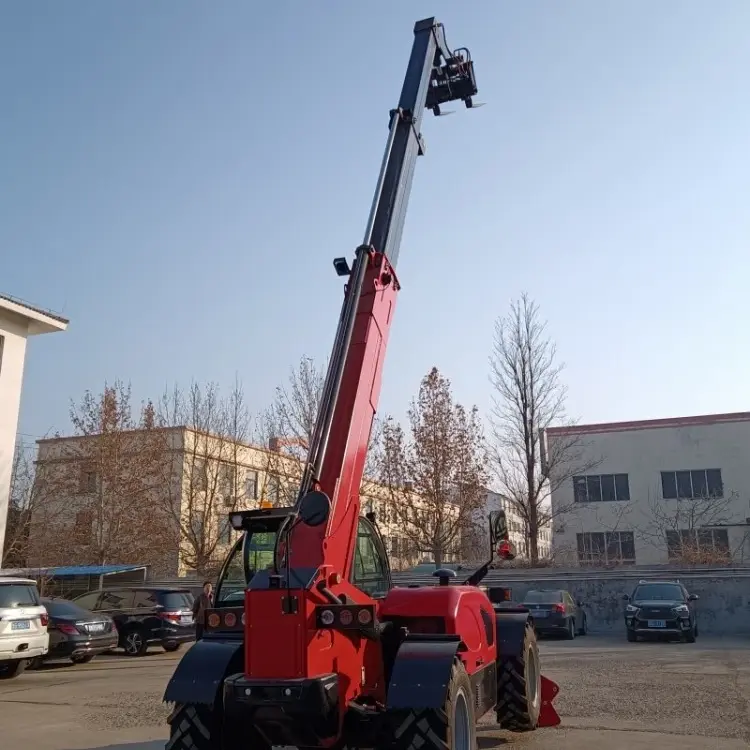
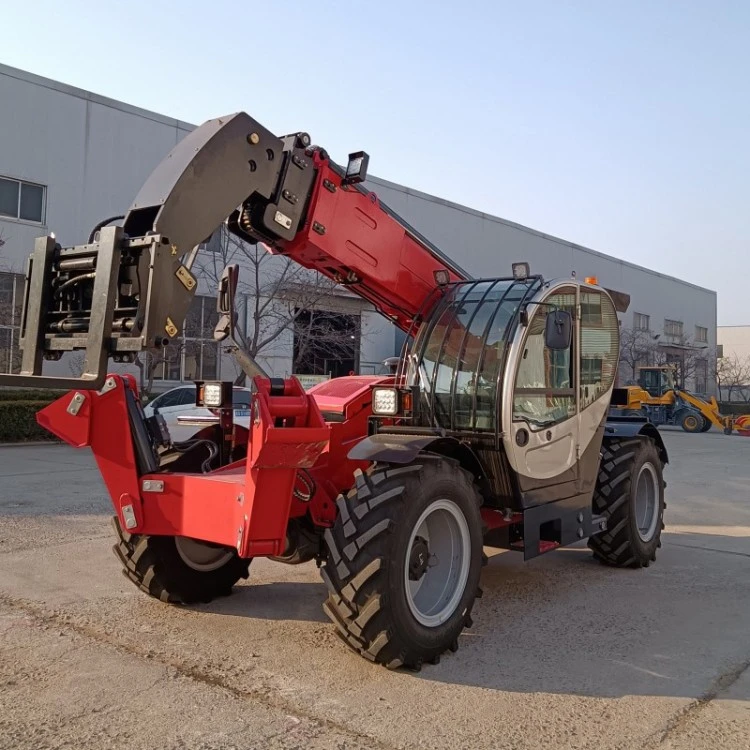
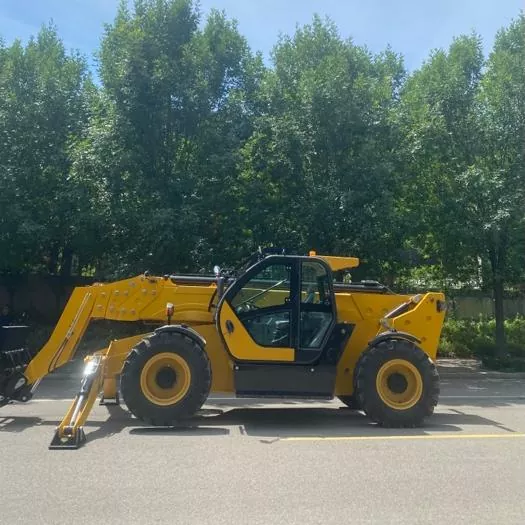
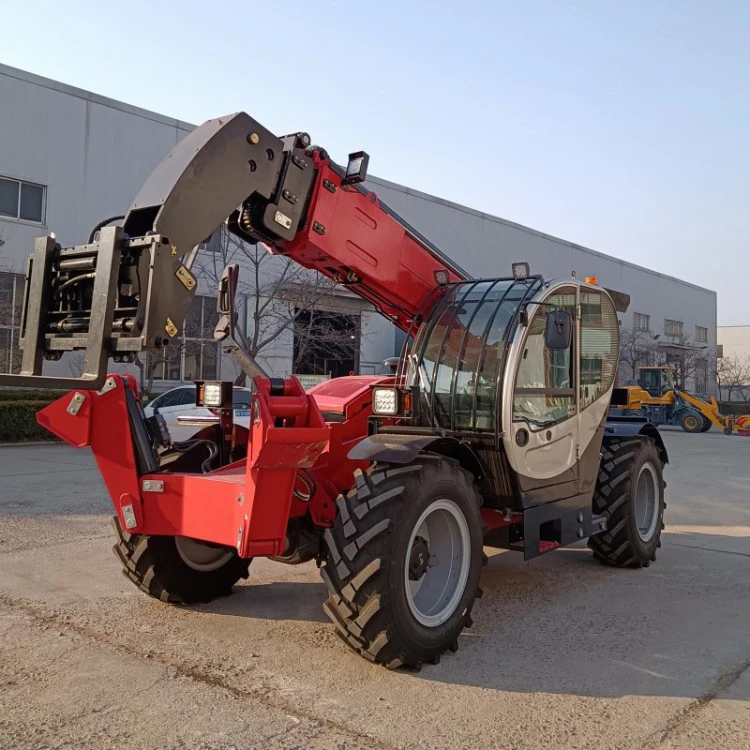
Telescopic handlers available from Qingzhou Mingxu Supply Chain are built for lifting and placing materials at height or distance, beyond the reach of ordinary forklifts. The equipment combines an extendable boom, full hydraulic control, and four-wheel drive, making it practical for construction, agriculture, warehousing, and municipal tasks. The line is divided into light, medium, and heavy models to align with different load and site needs.
| Model Type | Main Characteristics | Common Work |
|---|---|---|
| Light-duty | Small frame, moderate lift height, economical fuel use | Farm forage handling, small site transfer, factory upkeep |
| Medium-duty | Balanced capacity and height, stable output, capable off-road | Construction material placement, storage yards, warehouses |
| Heavy-duty | Reinforced boom, higher power, strong load bearing | Ports, large mines, major infrastructure work |
Boom extension, lifting angle, and attachment movements are all controlled through the hydraulic system. The four-wheel drive chassis and selectable steering modes allow the machine to operate on uneven ground and within narrow access areas. A quick coupler at the boom end permits rapid changing between forks, buckets, jibs, and other tools from the cab. Because of this layout, a single telescopic handler can cover multiple jobs—lifting, stacking, loading, and clearing—that would otherwise demand separate machines.
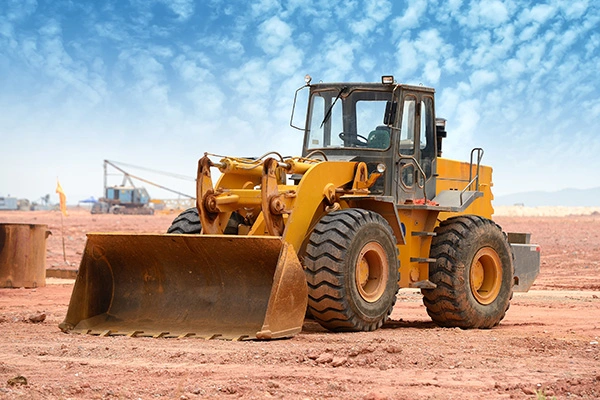
A telescopic handler often works next to other machines from the same supplier. Loaders can quickly move bulk earth, sand, and gravel; sweepers clear dust and debris after construction; and snow brushes or plows can be fitted to the same host machines during winter. Planning the fleet this way helps cover loading, high-reach handling, sweeping, and seasonal snow work without buying separate dedicated equipment for each task.
Q1: How should I choose between light, medium, and heavy models?
A1: The main factors are the heaviest load you handle and the maximum height you need. Light models suit farm or small factory jobs. Medium models fit most general construction and warehouse tasks. Heavy models are appropriate for ports, mines, or oversized materials. Sharing the load weight and required lift height helps identify the right series.
Q2: Do attachments work across different telescopic handler sizes?
A2: Many attachments share the same quick coupler pattern within a series. Heavy-duty units may use a larger interface or need higher hydraulic flow, so compatibility should be confirmed in advance. Adapter brackets are often available when required.
Q3: What routine checks does a telescopic handler need?
A3: Typical daily checks cover hydraulic oil level, boom pivot greasing, tire pressure, and attachment pin security. The load moment system should also be checked periodically, and the boom inspected for visible wear or damage.
Q4: Are telescopic handlers commonly used in rental fleets?
A4: Medium-duty units are frequently rented because they cover a broad range of jobs. Quick attachment changes and multiple steering modes allow the same machine to move between different customer sites without extensive setup.
Qingzhou Mingxu Supply Chain Co., Ltd. operates from Qingzhou, Shandong Province, with qualifications covering supply chain management, full-category machinery sales, and import/export. Telescopic handlers are supplied as part of a larger construction and municipal equipment range for both domestic and overseas buyers.