
Stay updated with Mingxu’s latest developments, including new product launches, overseas project deliveries, and our expanding footprint in Belt and Road markets.
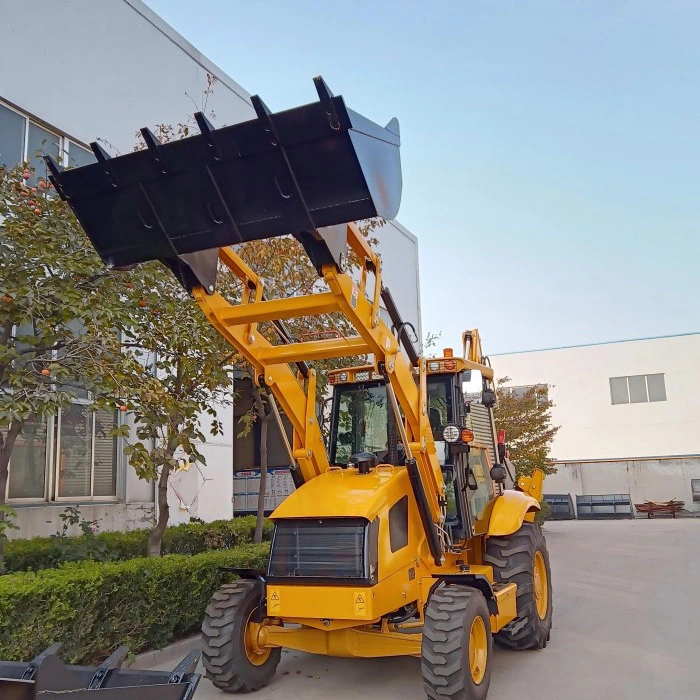
Choosing the right construction equipment directly affects project schedules, labor requirements, and operating expenses. Mingxu provides the Standard 3CX Backhoe Loader for buyers seeking a versatile machine that combines excavation and material-handling functions in one unit. Designed for a wide range of construction and earthmoving tasks, this equipment can support trench excavation, site preparation, loading, backfilling, and municipal maintenance. With hydraulic pilot control, a 180-degree swivel operator seat, and optional working attachments, it offers contractors and equipment distributors a flexible solution for projects where mobility and multifunctionality matter.
A Standard 3CX Backhoe Loader combines a front loader with a rear excavator, helping construction businesses complete multiple operations without constantly switching between separate machines. This guide examines its operating advantages, important specifications, hydraulic functions, typical applications, attachment compatibility, maintenance priorities, and purchasing considerations. It also explains how to assess whether this equipment is suitable for a particular workload and what buyers should confirm with a supplier before placing an order.
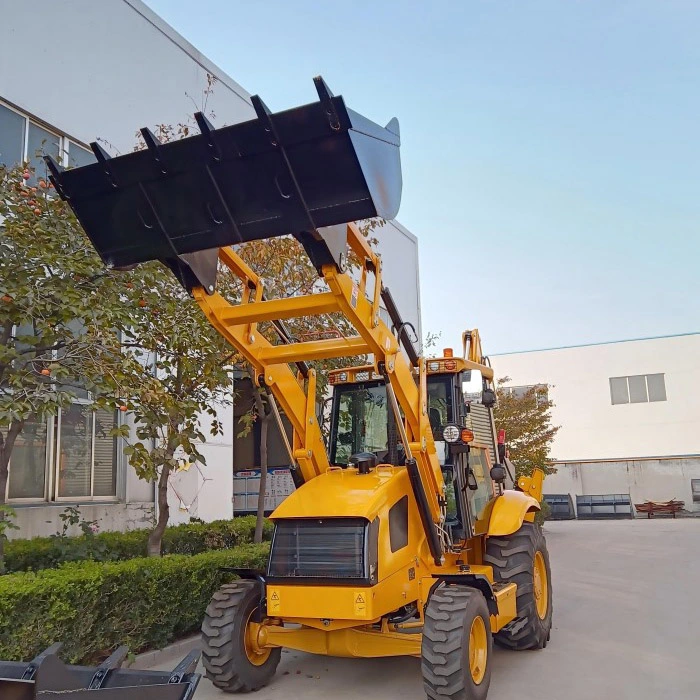
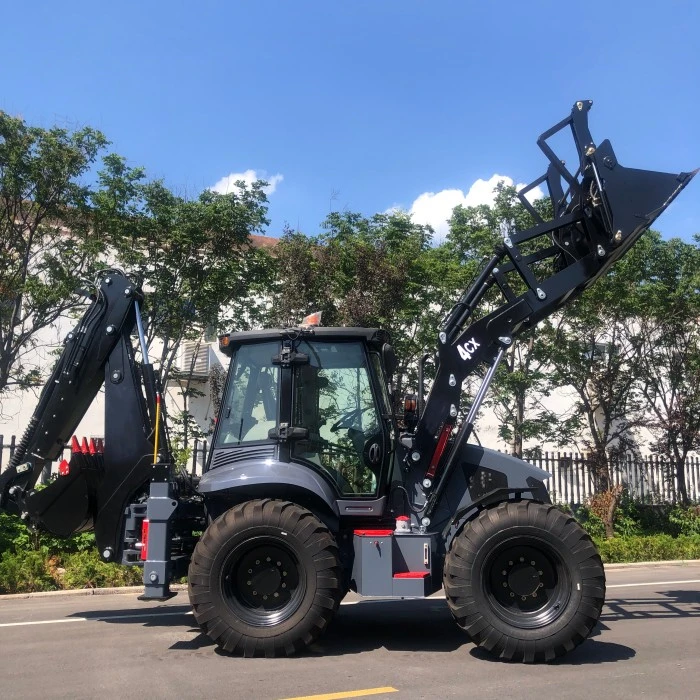
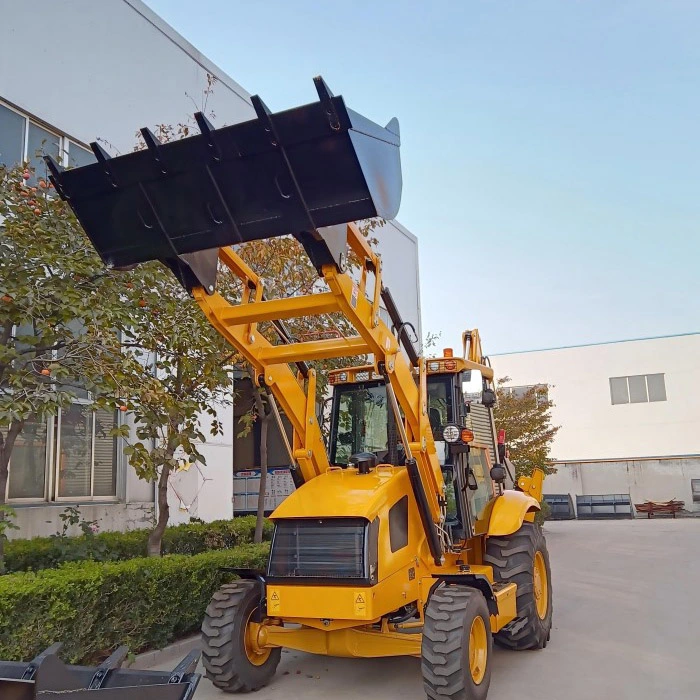
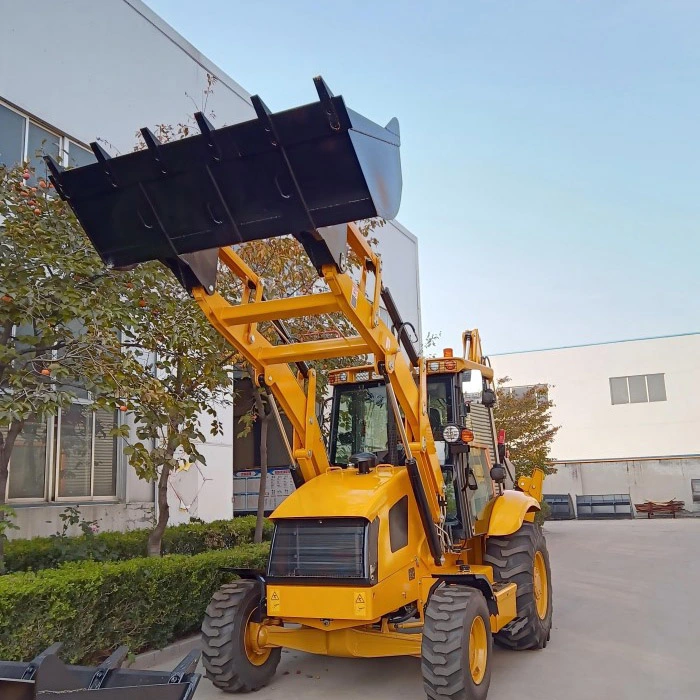
A backhoe loader is a versatile machine that integrates two major working systems: a front-mounted loading bucket and a rear-mounted excavating arm. Each system serves a different purpose, allowing the operator to move materials, excavate soil, prepare surfaces, and complete related tasks with the same piece of equipment.
The Standard 3CX Backhoe Loader from Mingxu is intended for general construction, infrastructure maintenance, agricultural engineering, and other earthmoving applications. Its combined configuration can be especially valuable on projects where working conditions change frequently and transporting several specialized machines would increase costs or complicate scheduling.
For example, a contractor installing an underground drainage line may need to excavate a trench, move the removed soil, place suitable backfill, and clear the working area. A backhoe loader can perform several of these operations, depending on the project requirements and selected attachments.
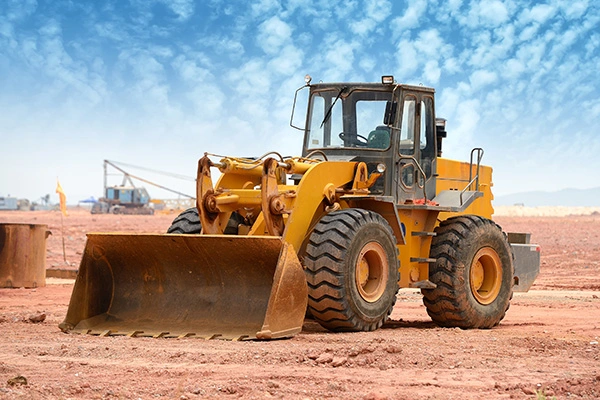
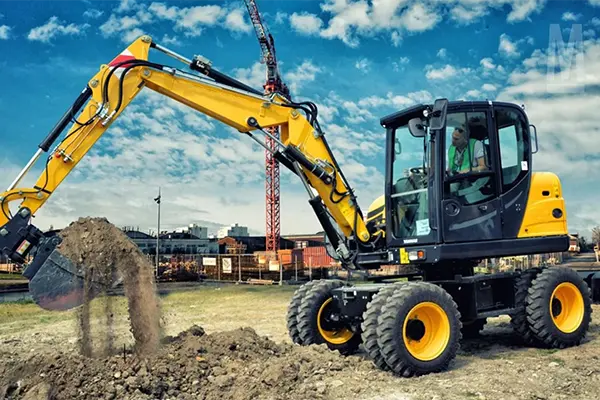
However, multifunctionality should not be confused with unlimited capacity. Large-scale excavation, continuous heavy loading, and demanding specialist operations may require dedicated excavators or wheel loaders. Buyers should therefore evaluate the machine against their expected workload instead of relying on the model name alone.
Reviewing technical specifications is an essential step when comparing backhoe loaders from different suppliers. The following table summarizes key configuration information associated with the Mingxu Standard 3CX Backhoe Loader. Performance figures not explicitly established in the available product information should be confirmed directly before purchase.
| Item | Product Information | Why It Matters |
|---|---|---|
| Equipment category | Standard 3CX Backhoe Loader | Combines loading and excavation functions |
| Control method | Hydraulic pilot control | Supports control of the machine's working mechanisms |
| Maximum road speed | 30 km/h | Helps assess mobility between suitable work areas |
| Operator seat | 180-degree swivel | Allows the operator to change working orientation |
| Optional working tools | Six-in-one bucket, hydraulic breaker, log grapple | Expands the range of potential applications |
| Typical work categories | Excavation, loading, earthmoving, and site preparation | Helps buyers evaluate application suitability |
| Procurement options | Bulk orders and export supply | Relevant to fleet operators and equipment distributors |
In addition to these details, purchasers should request the complete technical datasheet covering engine output, operating weight, front bucket capacity, maximum digging depth, digging reach, hydraulic flow, overall dimensions, and fuel tank capacity. These figures help determine whether the machine can meet the project's production targets and site limitations.
Buyers should also confirm the supplied engine configuration, emissions documentation, warranty conditions, and any destination-market requirements before finalizing the order.
Construction productivity depends on more than engine power. Equipment availability, movement between work areas, attachment changes, operator efficiency, and maintenance requirements all influence how much work can be completed during a shift.
The combination of a front loader and rear excavator allows one machine to undertake several complementary tasks. On smaller projects, this arrangement may reduce the need to mobilize a separate loader and excavator, helping simplify equipment scheduling and site coordination.
Construction activities rarely follow an identical pattern throughout the day. Operators may need to switch from digging to loading, backfilling, or clearing materials. A multifunctional machine can accommodate these changing requirements without requiring a different primary machine for every task.
Businesses operating mixed workloads can potentially use a backhoe loader across several types of projects. Contractors, rental businesses, and municipal maintenance teams may benefit when the machine remains useful across different contracts and seasons.
Reducing the number of machines required for certain jobs may lower transportation, storage, insurance, and maintenance expenses. Actual savings depend on utilization, local labor rates, fuel consumption, attachment requirements, and the productivity of alternative equipment.
To determine whether the investment makes financial sense, buyers should compare the estimated total cost of ownership with the expected volume of work. Purchase price alone does not establish which machine will deliver the best long-term value.
The hydraulic system is central to a backhoe loader's ability to perform controlled digging and loading operations. It transfers engine power into the movements needed to raise booms, tilt buckets, extend working arms, and operate compatible hydraulic attachments.
The front assembly is primarily used for collecting loose materials, loading transport vehicles, moving soil, and leveling suitable surfaces. Its effectiveness depends on bucket capacity, material density, machine stability, and the distance materials must be moved.
The rear digging assembly is used for trenching, foundation work, drainage installation, and localized excavation. The operator coordinates the boom, dipper arm, and bucket to remove material while controlling the excavation profile.
Hydraulic pilot control allows working functions to be commanded through the machine's control system. Consistent operation depends on the hydraulic design, system condition, correct adjustment, and operator familiarity with the controls.
The listed 180-degree swivel seat allows the operator to change orientation between front loading and rear excavation operations. Proper positioning helps maintain visibility of the active working area, although operators must still check blind spots and keep personnel clear of moving components.
For buyers comparing configurations, it is advisable to request hydraulic performance data and details about auxiliary circuits before selecting a breaker or another hydraulic attachment.
The Standard 3CX Backhoe Loader can be considered for a broad range of projects where loading and excavation are both important. Its suitability depends on the site's access, material conditions, required digging depth, and daily production targets.
For work involving deep excavation, unstable ground, hazardous materials, or heavy demolition, the equipment must be assessed against the applicable engineering and safety requirements. Additional site-specific equipment may be necessary.
When estimating productivity, consider travel distance, material type, loading cycles, operator experience, and the time required to reposition the machine. These factors often determine actual output more accurately than a single specification.
Attachments can make a backhoe loader more useful across different projects, but compatibility and intended use should always guide the selection process. An attachment that is poorly matched to the hydraulic system or machine capacity may reduce productivity and increase wear.
| Attachment | Potential Uses | Purchasing Considerations |
|---|---|---|
| Six-in-one bucket | Material loading, gripping, spreading, and leveling, depending on design | Confirm bucket dimensions, hydraulic connections, and rated capacity |
| Hydraulic breaker | Breaking suitable concrete, rock, and other hard materials | Check hydraulic pressure, flow rate, mounting system, and operating limits |
| Log grapple | Handling compatible logs and bulky materials | Verify gripping capacity, attachment interface, and load stability |
Before placing an attachment order, provide the supplier with the machine model, intended application, material characteristics, and required working capacity. Ask whether additional hydraulic lines, mounting components, or protective equipment are needed.
It is also important to establish which attachments are included in the quoted price and which are optional. Clear documentation helps prevent misunderstandings during delivery and commissioning.
Preventive maintenance is essential for keeping construction machinery available and controlling repair expenses. A structured maintenance program helps identify leaks, abnormal wear, loose connections, and other developing problems before they cause extended downtime.
Follow the manufacturer's service schedule for lubrication, filter replacement, fluid changes, and inspections. Operating in dusty environments or under demanding loads may require additional attention in accordance with the specified maintenance instructions.
Maintain records of operating hours, repairs, inspections, and replacement parts. These records help fleet managers plan servicing, evaluate operating expenses, and identify recurring faults.
Good maintenance and safe operation work together. A well-maintained machine is easier to manage, while trained operators can help reduce unnecessary stress on hydraulic components, tires, buckets, and other working parts.
For construction companies and equipment distributors, a reliable purchasing decision begins with a clear understanding of operating requirements. The following checklist can help buyers compare suppliers and avoid overlooking important details.
International buyers should also check applicable import regulations, emissions standards, customs requirements, and equipment registration rules in the destination market. These requirements can affect the final cost and delivery schedule.
For additional comparisons, buyers can review Mingxu's 3CX Construction Backhoe Loader and Standard 4CX Backhoe Loader. Comparing the actual specifications of each configuration can help identify the most appropriate option for a particular project.
Its principal advantage is the integration of front loading and rear excavation in one machine. This configuration can reduce the need to deploy separate machines for related tasks, particularly on smaller construction and maintenance projects.
The published product information lists a maximum road speed of 30 km/h. Actual travel must follow the operating manual, applicable road regulations, and the requirements of the intended working environment.
Yes. Hydraulic pilot control is listed as part of the machine's configuration. Buyers should request the relevant technical documentation to understand the control arrangement and operating procedures for the exact unit being supplied.
Listed options include a six-in-one bucket, hydraulic breaker, and log grapple. Compatibility depends on mounting dimensions, hydraulic requirements, load ratings, and the intended application.
Yes. The front loader is intended for loading and material handling, while the rear assembly performs excavation and trenching. The efficiency of each function depends on machine specifications, material conditions, operator skill, and the job layout.
The product information lists a whole-machine warranty of 12 months or 1,000 working hours, whichever comes first. It also lists six months of warranty coverage for major components, including the engine, main hydraulic pump, and transmission. Confirm the applicable terms, exclusions, and responsibilities in the final sales agreement before ordering.
Mingxu offers export-oriented supply arrangements and bulk purchasing options. International buyers should confirm the machine configuration, destination-country compliance, shipping terms, documentation, warranty coverage, and spare parts arrangements before placing an order.
Prepare your intended application, preferred configuration, attachment requirements, estimated quantity, and delivery destination. Sharing these details with Mingxu helps the sales team assess your requirements and provide relevant pricing and supply information.
The Standard 3CX Backhoe Loader is worth considering when a construction business needs a flexible combination of digging, loading, and general earthmoving capabilities. Its hydraulic pilot control, swivel operator seat, and available attachments support a range of applications, from municipal maintenance and agricultural work to residential construction and site preparation.
Before committing to a purchase, evaluate the machine's verified specifications, attachment compatibility, maintenance requirements, warranty terms, and expected utilization. A well-matched configuration can help simplify equipment management and support more efficient use of capital across multiple projects.
Whether you are purchasing equipment for your own construction fleet, expanding a rental business, or sourcing machinery for distribution, Mingxu can help you explore the available options. Visit the Standard 3CX Backhoe Loader product page to learn more, or contact us to discuss your project requirements, bulk purchasing needs, attachment selection, export arrangements, and a suitable equipment configuration for your business.