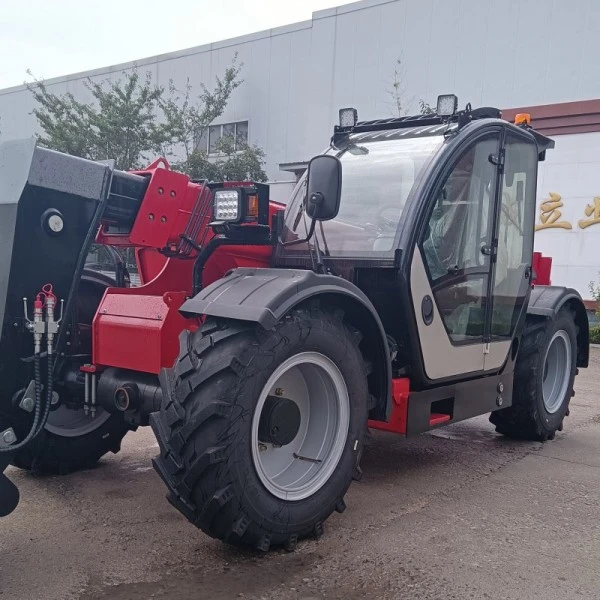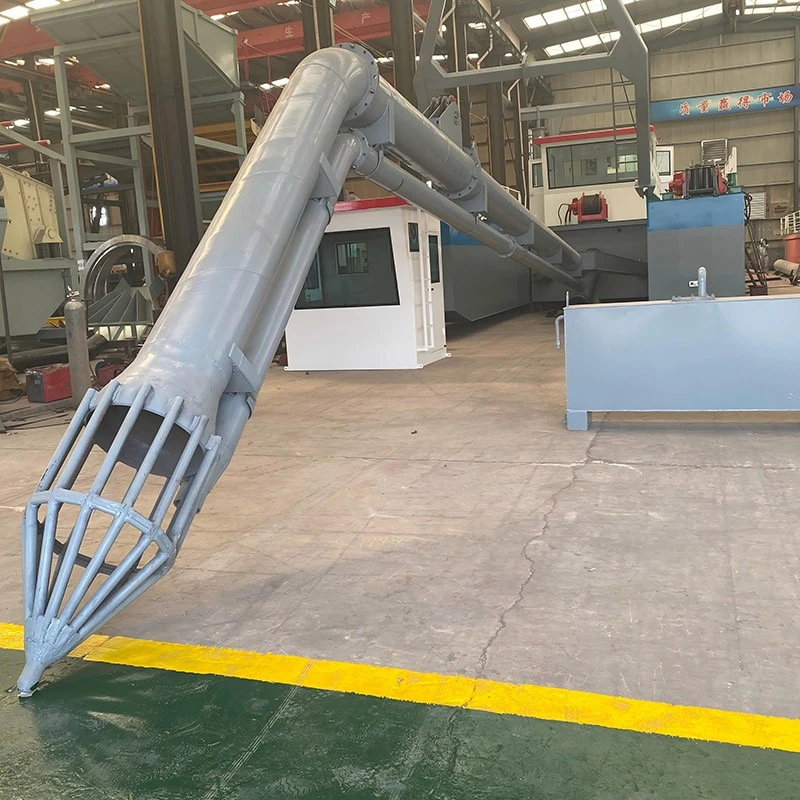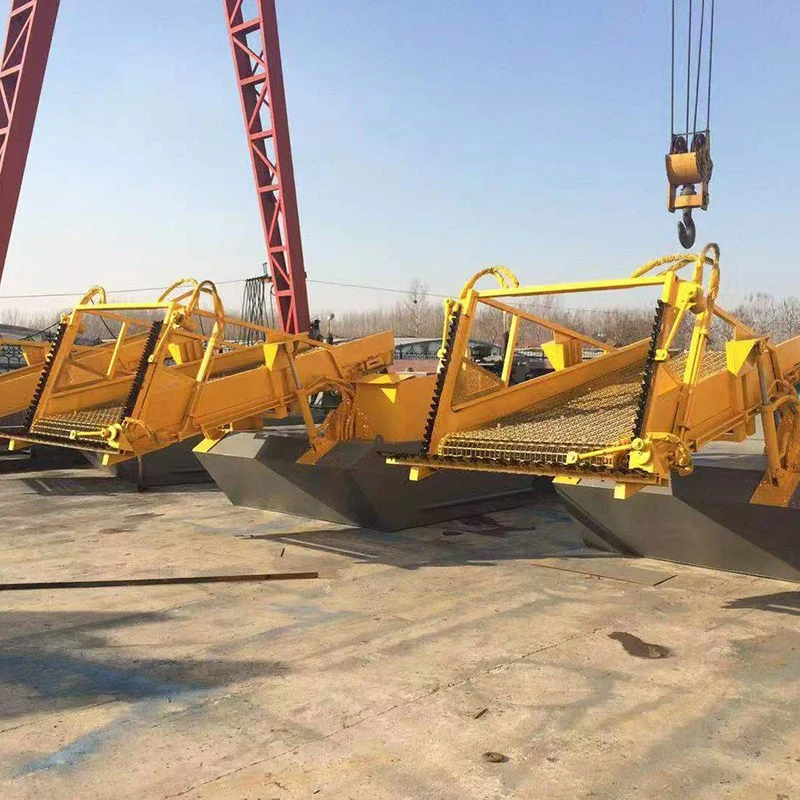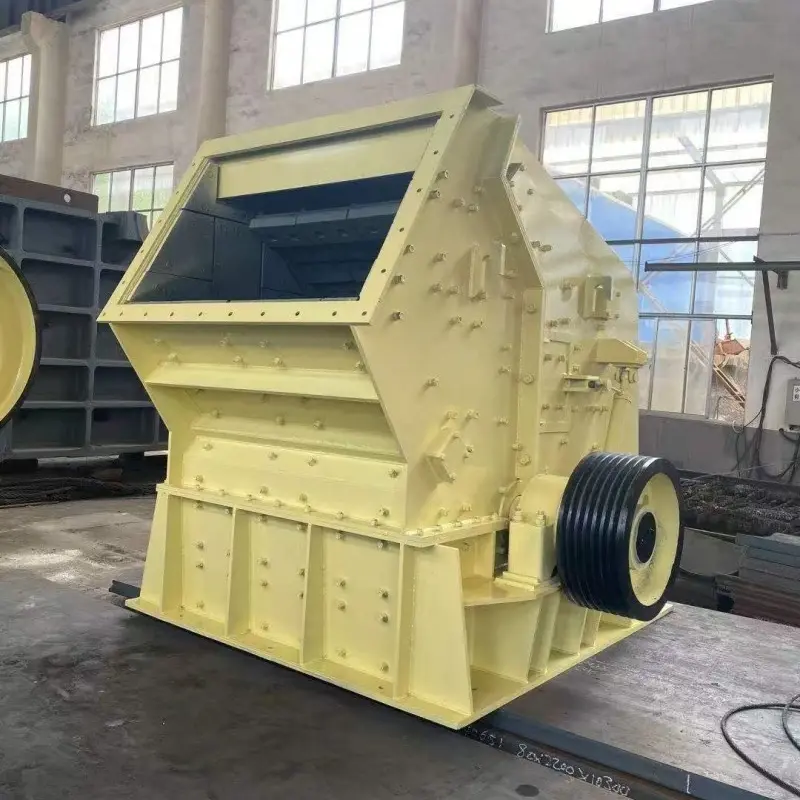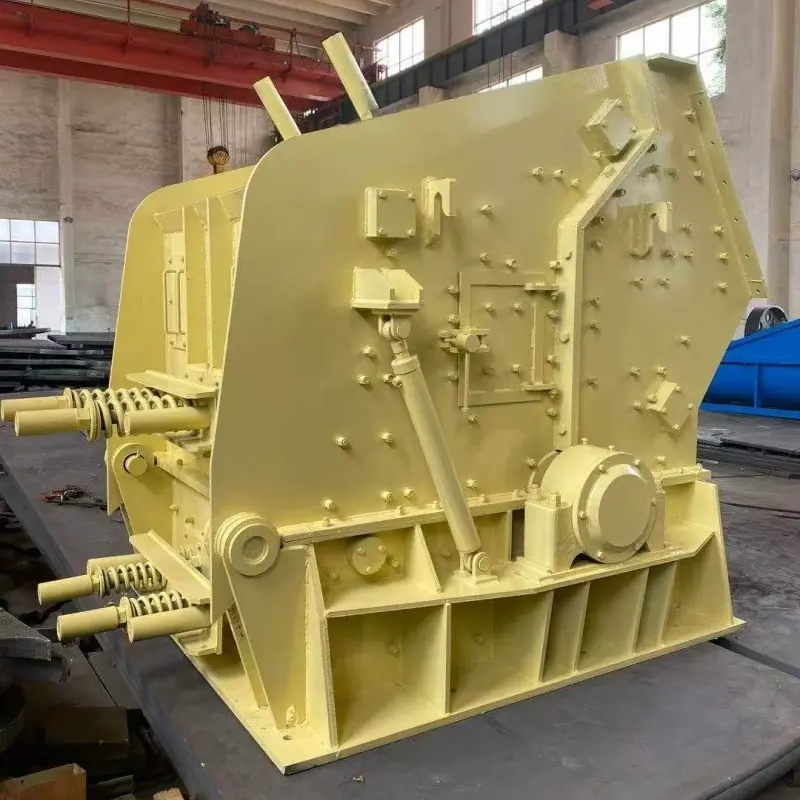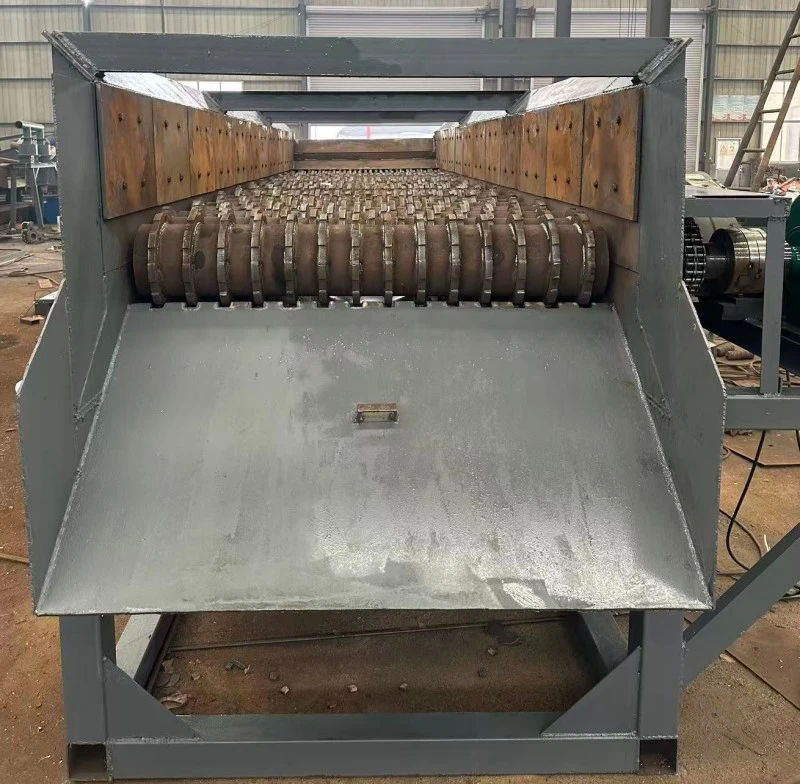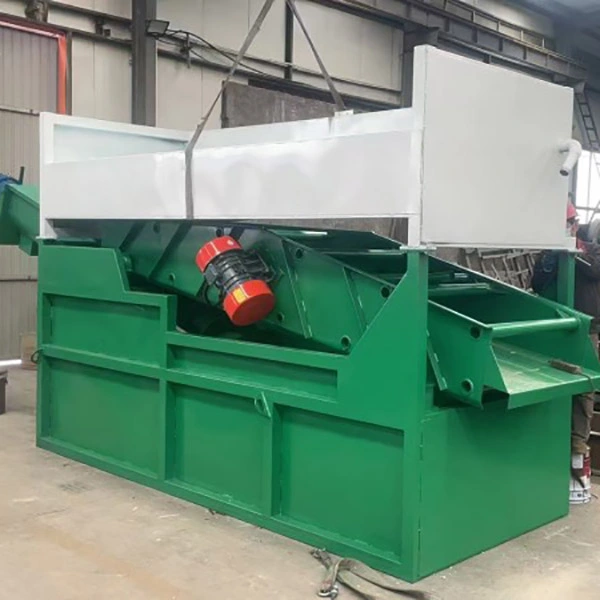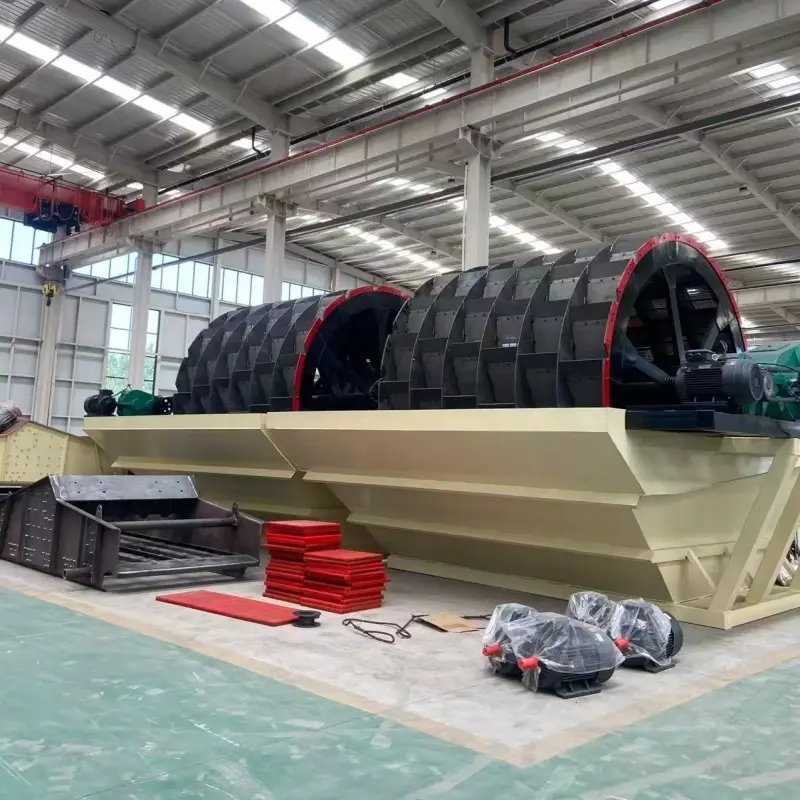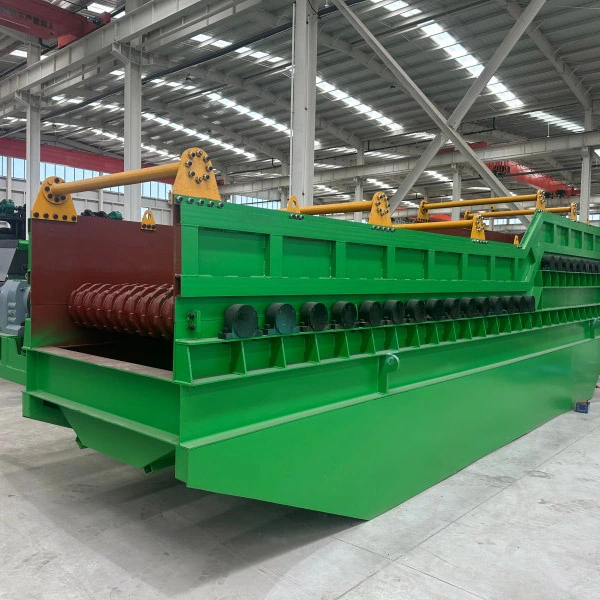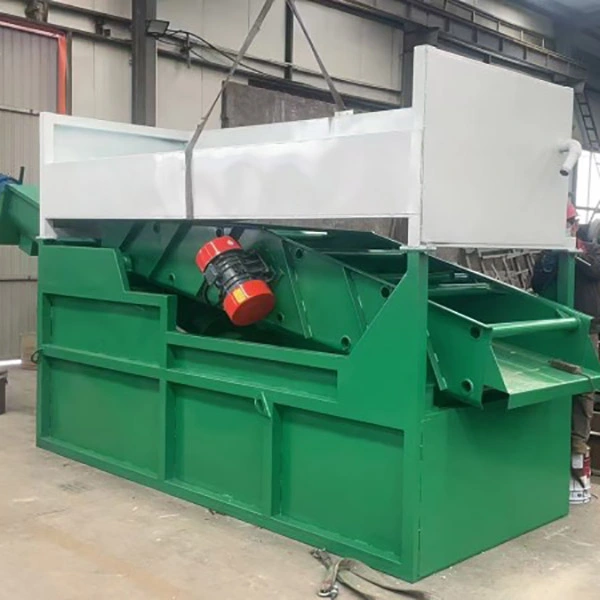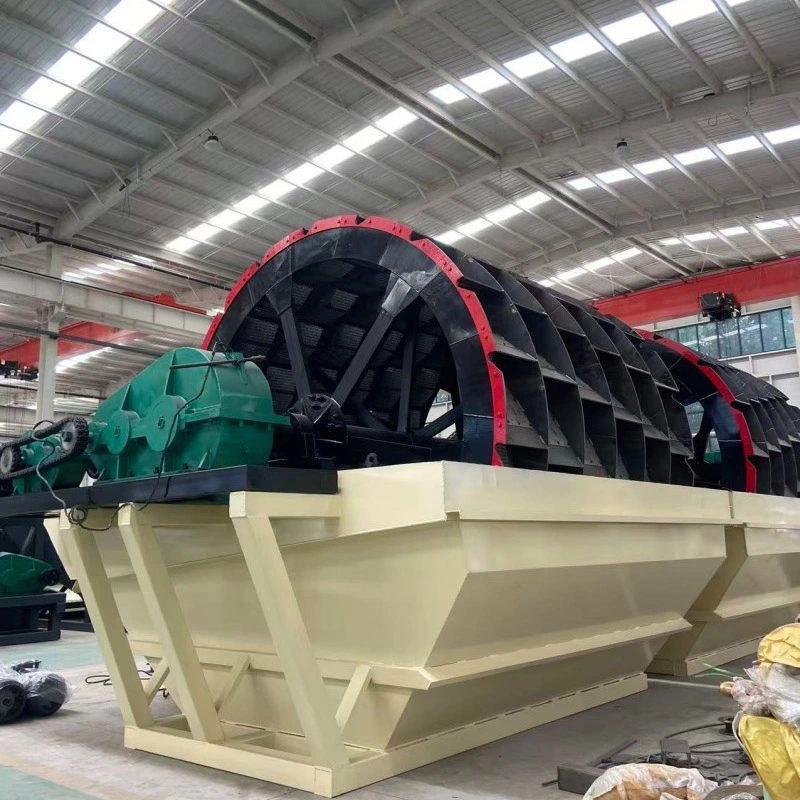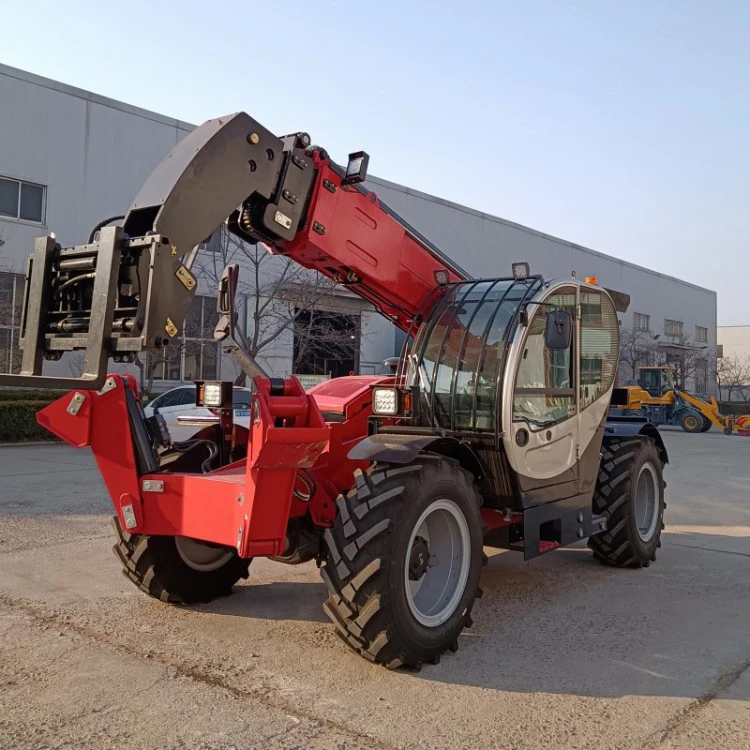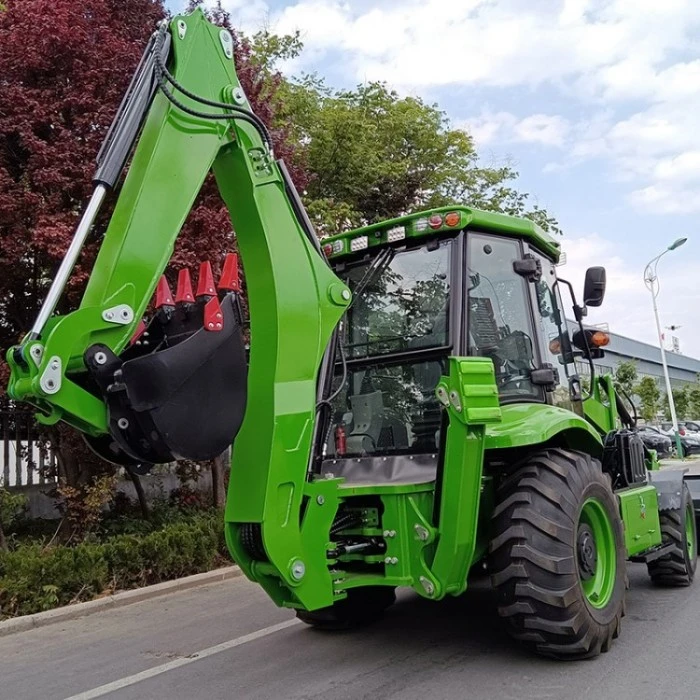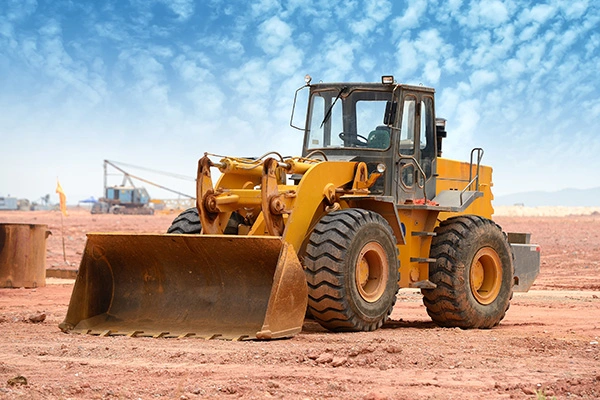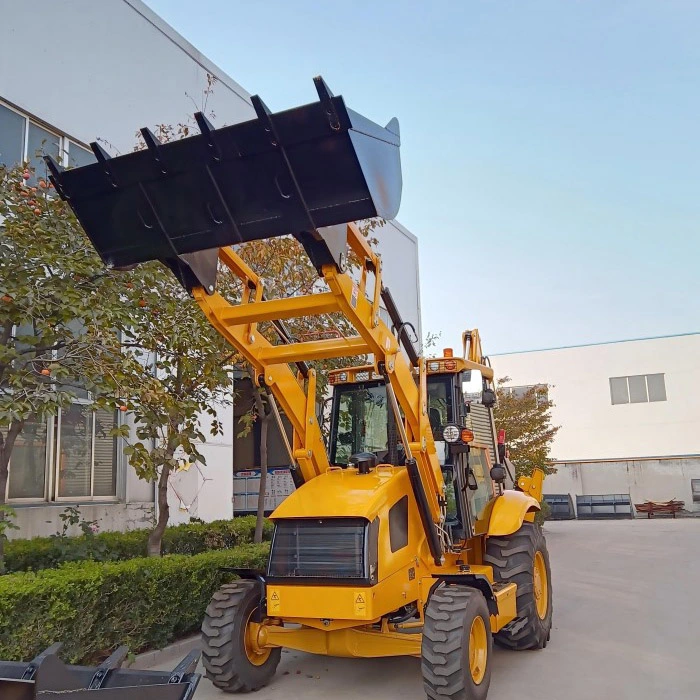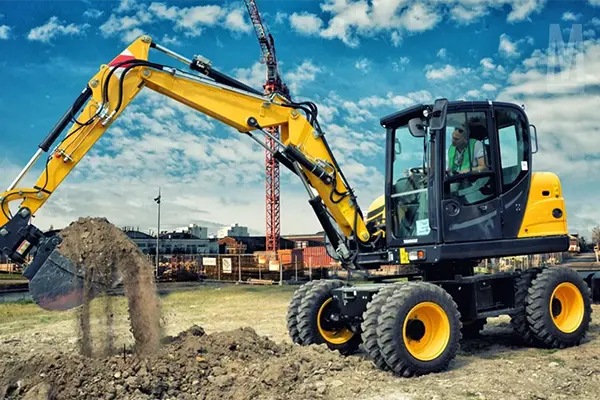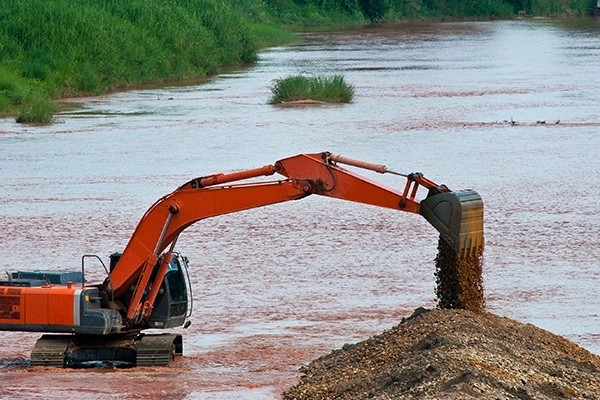

We offer a comprehensive one-stop sourcing solution across construction machinery, agricultural and forestry equipment, marine and power systems, hydraulic components, and new energy devices, all customizable to meet diverse project needs.
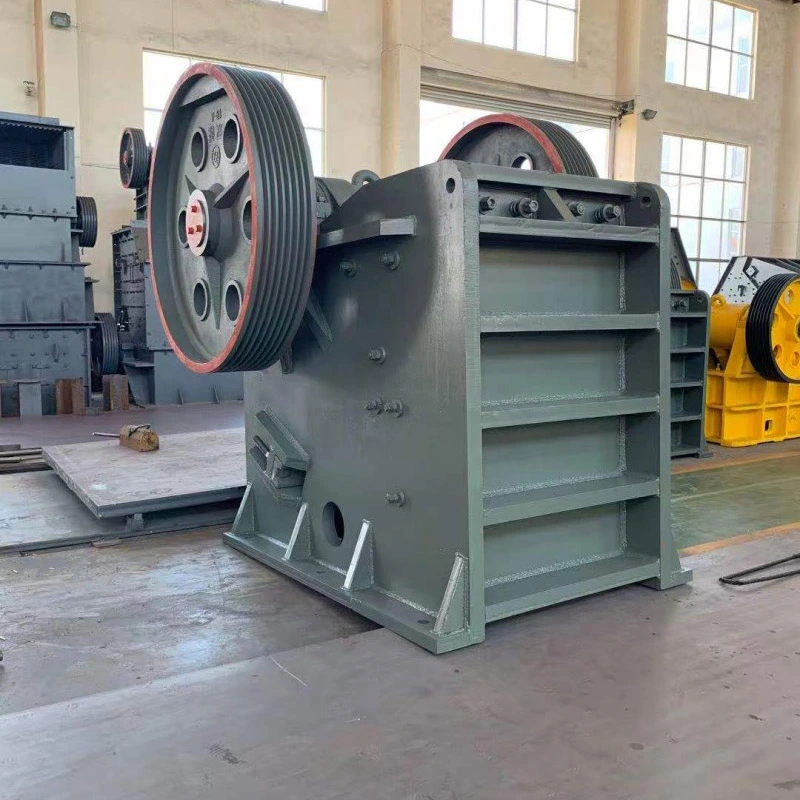
The Jaw Crushers supplied by Qingzhou Mingxu Supply Chain Co., Ltd. is intended for primary crushing in mining, quarrying, aggregate production, road construction, and construction waste recycling. The machine operates on the principle of jaw plate compression and is built to process hard materials such as bluestone, granite, iron ore, and concrete blocks.
The crusher is designed for continuous operation, with an adjustable discharge gap to control the output particle size. Machines are available from stock, and custom specifications can be arranged for bulk orders. The equipment is suitable for construction projects, aggregate plants, and mining operations.
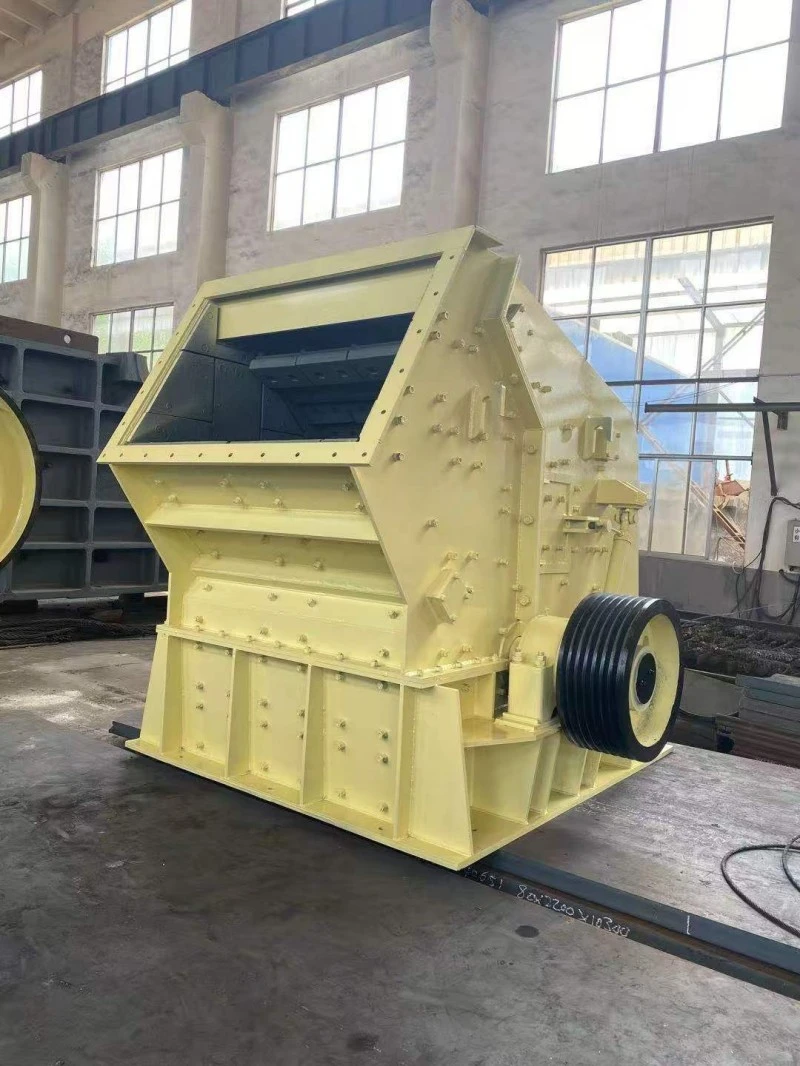
| Item | Description |
|---|---|
| Crushing Principle | Jaw plate extrusion |
| Drive Type | Electric motor or diesel engine |
| Discharge Adjustment | Mechanical wedge or hydraulic system |
| Safety Device | Spring buffer system for uncrushable material |
| Frame Construction | Heavy-duty welded steel |
| Configuration Options | Stationary or mobile |
| Feed Opening | Customizable based on model |
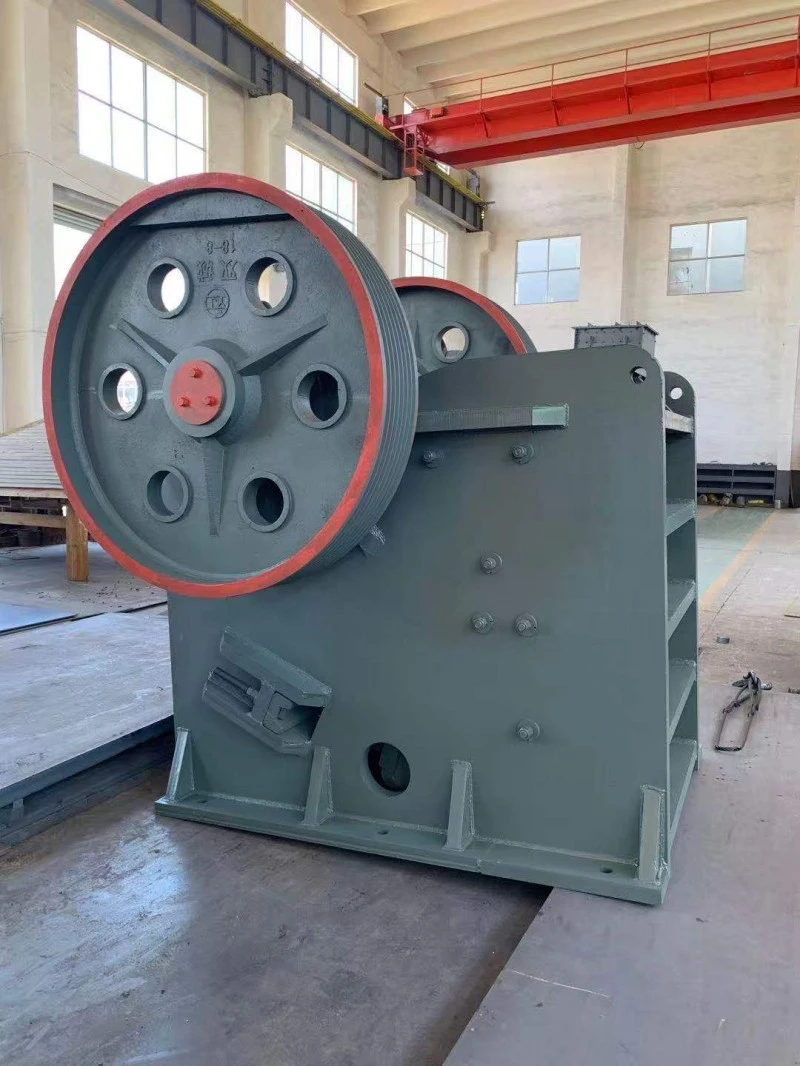
1. Power transmission: The electric motor drives the flywheels through V-belts, rotating the eccentric shaft. This causes the movable jaw to move back and forth in a fixed cycle.
2. Material breakage: Raw material enters the crushing chamber from the top. As the movable jaw moves toward the fixed jaw, the material is broken by compression, splitting, and bending forces.
3. Graded discharge: Material small enough to pass through the discharge gap falls out from the bottom. Larger pieces remain in the chamber for further crushing. The gap can be adjusted using the wedge device to control the final product size.
4. Overload protection: A spring buffer system is installed at the bottom. If an uncrushable object enters the chamber, the springs compress and allow the object to pass through, protecting the main components from impact damage.
Before startup:
1. Inspect jaw plates, bolts, and belt tension. Remove any debris from the crushing cavity.
2. Set the discharge gap to the required size and apply grease to all lubrication points.
3. Run the machine without load for 3–5 minutes. Start feeding only after confirming there is no abnormal noise or vibration.
During operation:
1. Feed material evenly, and keep metal blocks or oversized stones out of the cavity.
2. Monitor discharge size, motor current, and bearing temperature. Stop the machine immediately if any fault is detected.
3. Do not reach into the crushing chamber while the machine is running. Disconnect power before maintenance.
Shutdown:
1. Stop feeding and allow all material to clear from the chamber.
2. Run the machine empty for a short period before cutting the power.
3. Clean dust from the machine and check the wear condition of jaw plates and other consumable parts.
1. Heavy-duty welded frame. The frame is made of thick steel plates and is designed to withstand impact loads and continuous operation in demanding mining and quarrying conditions.
2. Deep crushing chamber. The chamber profile is shaped to reduce dead zones, maintain high throughput, and produce uniform product size with lower energy consumption.
3. Adjustable discharge setting. The gap between the fixed and movable jaws can be changed mechanically or hydraulically, allowing the final particle size to be controlled without stopping production.
4. Simplified maintenance. Jaw plates and other wear parts are designed for quick removal and replacement using standard tools, reducing downtime.
5. Flexible power and installation options. The crusher can be powered by an electric motor or a diesel engine, and can be installed as a stationary unit or mounted on a mobile chassis for off-grid sites.
The jaw crusher has been used in a range of material conditions, and field commissioning has provided practical data for different feed materials. The following notes are based on actual project experience and can help operators anticipate settings and wear patterns.
Granite. Granite is hard and abrasive, typically with a compressive strength above 200 MPa. For primary crushing, the crusher is usually set to a moderate discharge opening to avoid excessive jaw plate wear. During commissioning, it is important to confirm that the feed size does not exceed 80% of the inlet opening, as larger blocks can cause bridging. Granite produces a high percentage of angular fragments, so the downstream screen should be sized accordingly. Jaw plate life for granite is generally shorter than for softer stone, and operators are advised to keep one spare set on site.
Bluestone (limestone). Bluestone is softer and less abrasive than granite. The crusher can be run with a tighter discharge gap to produce finer material in a single pass. Field tests have shown that bluestone crushing generates less dust than granite, but the higher calcium content can cause material to pack in the chamber if moisture is present. Wet bluestone is more prone to bridging; controlling the feed moisture or adding a pre-screening stage helps maintain steady output.
Iron ore. Iron ore varies in hardness depending on the deposit. High-grade hematite is hard and heavy, while lower-grade ores may contain clay. When commissioning for iron ore, the discharge gap is typically set larger than for aggregate production to avoid overloading the drive. The heavy specific gravity of iron ore also means the crusher's throughput is often limited by volume rather than weight; the motor current should be monitored closely during the first hours of operation. The spring buffer system is especially important in iron ore applications because of the occasional presence of tramp iron.
Construction waste. Construction waste contains concrete, brick, and occasional steel reinforcement. For this material, the crusher should be operated with a slightly wider discharge gap to allow uncrushable debris to pass. A magnetic separator is recommended on the discharge conveyor to remove steel bars. During commissioning, the feed should be kept low and consistent, as large concrete slabs can cause sudden impact loads. If the crusher is used in a mobile configuration on demolition sites, the diesel engine option and a sturdy underframe are practical choices.
The jaw crusher is frequently installed as the primary stage in complete crushing lines. Based on project delivery in different sectors, the following integration notes may be useful for planning.
Mining operations. In mine sites, the jaw crusher is typically fed by a vibrating grizzly feeder that separates fine material before the crusher. This reduces the amount of fines entering the chamber and improves overall efficiency. A primary surge hopper is used to buffer the feed, especially when trucks dump intermittently. Electrical interlocking between the feeder, crusher, and downstream conveyors is recommended to prevent blockages and reduce operator workload.
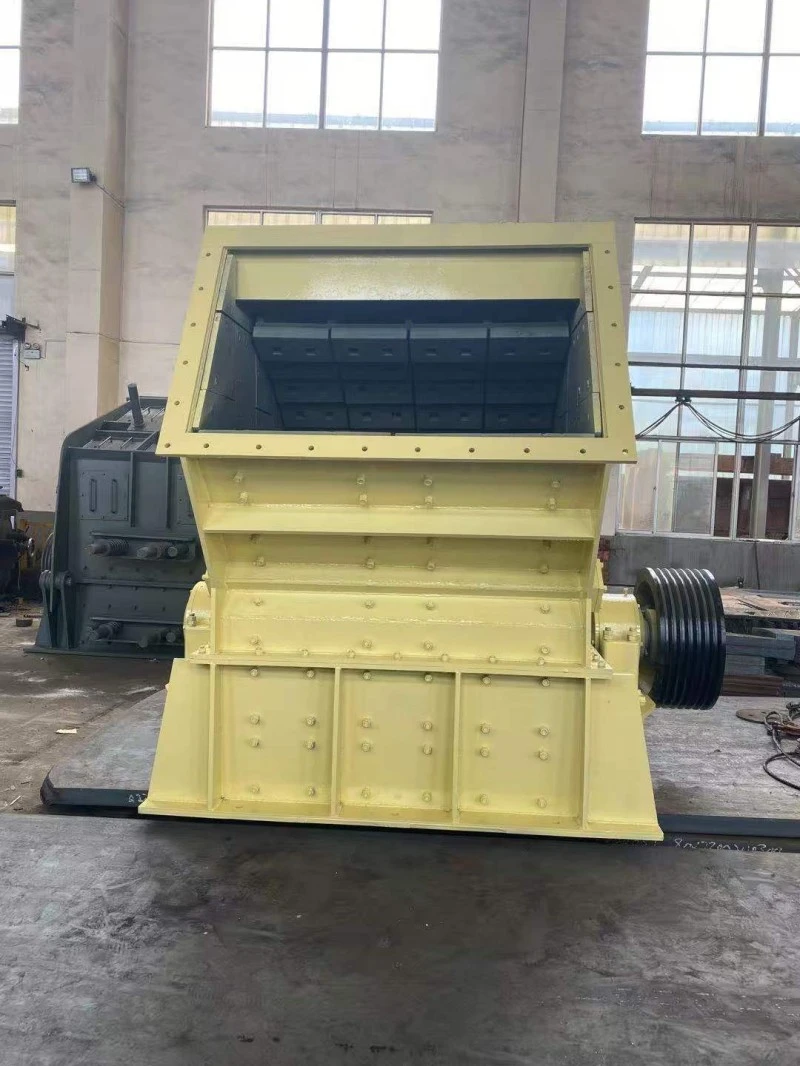
Aggregate plants. In fixed aggregate plants, the jaw crusher is commonly followed by a cone crusher or impact crusher for secondary reduction. The discharge setting of the jaw crusher is coordinated with the secondary crusher's feed requirements. Product size control is achieved by a combination of the jaw gap and the downstream screen mesh size. In several projects, the installation of a pre-screening scalper before the jaw crusher has significantly reduced wear on the jaw plates by diverting already-sized material away from the chamber.
Construction waste recycling. For construction waste recycling, the jaw crusher is often combined with a vibrating feeder, a magnetic separator, and a side conveyor for fines removal. Mobile versions are frequently used on demolition sites where space is limited. In practice, it is beneficial to remove soil and wood before feeding the crusher, as these materials increase wear and can cause blockages. A dust suppression spray system is often added at the feed and discharge points to meet environmental requirements.
Infrastructure project sites. For railway, road, or tunnel projects, the crusher may be installed temporarily near the construction area. In such cases, a skid-mounted or mobile unit reduces installation time. The electrical control panel is normally placed at a distance and protected from dust and water. Spare parts and tooling are stored in a container next to the crusher for quick access. Field engineers usually carry out a site survey before installation to confirm foundation requirements, power supply capacity, and material flow direction.
1. Mining: primary crushing of iron ore, gold ore, limestone, granite, basalt, and river pebble.
2. Aggregate production: processing raw stone for highway, bridge, and concrete batching plant use.
3. Infrastructure construction: preparing stone material for railway, water conservancy, tunnel, and airport projects.
4. Construction waste recycling: crushing concrete blocks and demolition debris for reuse.
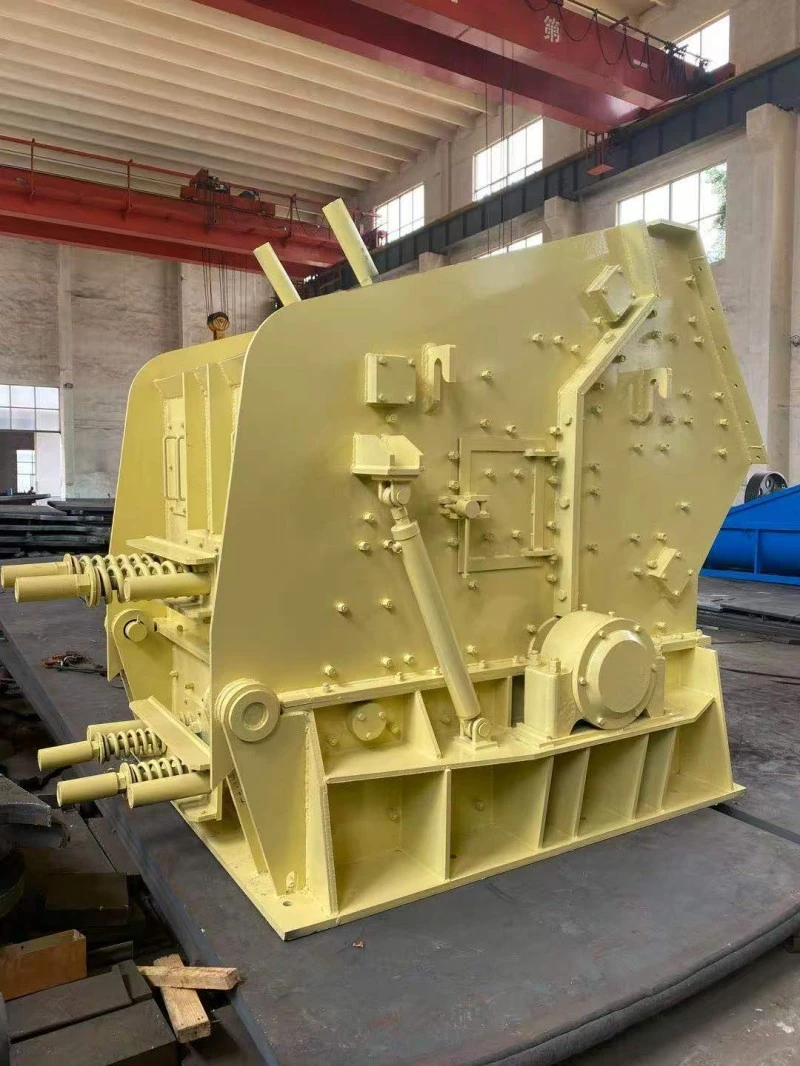
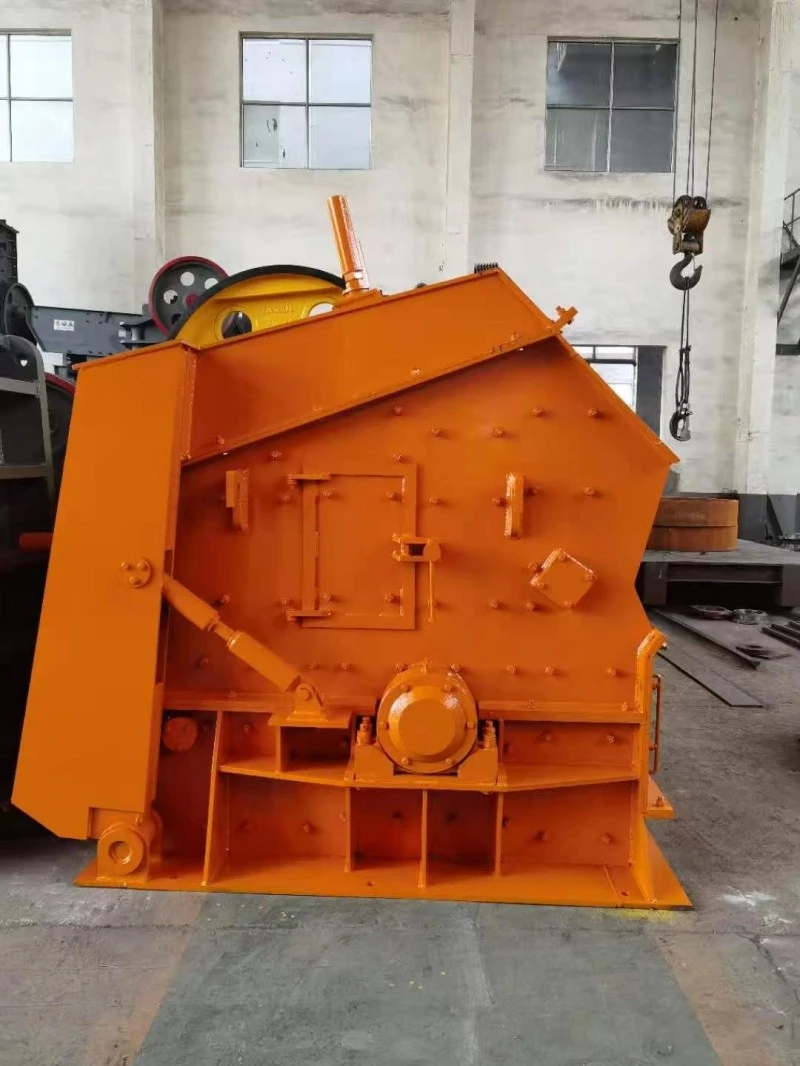
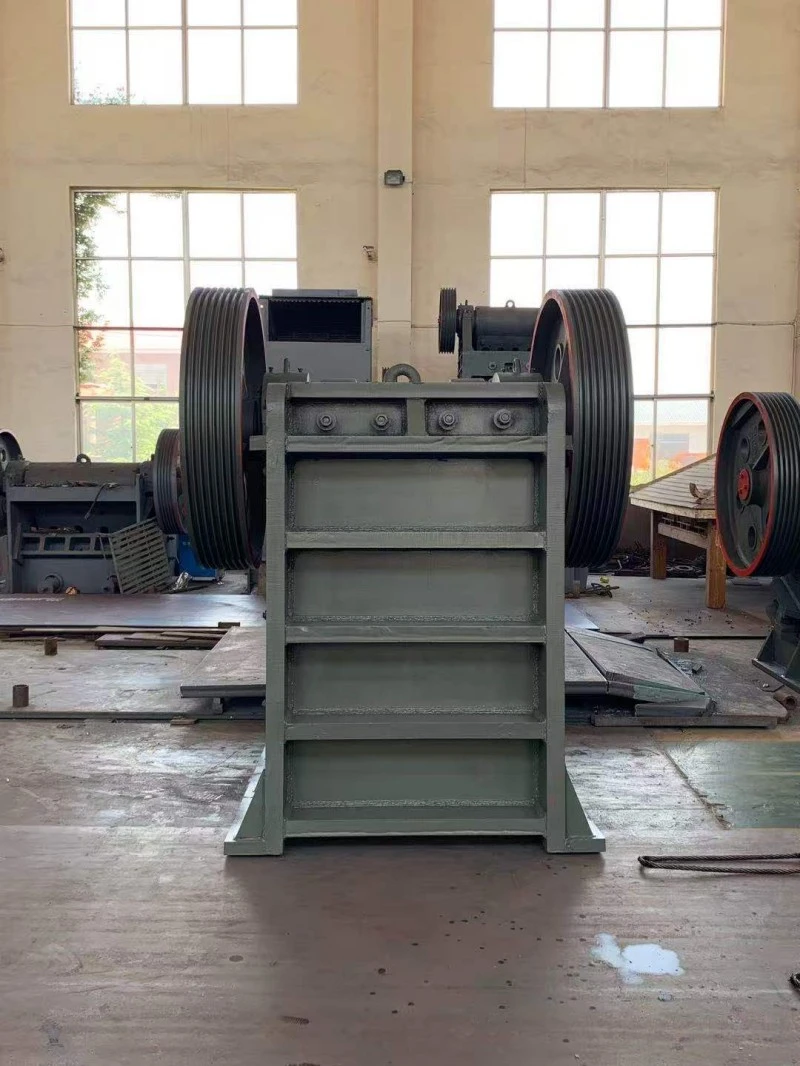
The complete machine is covered by a 12-month or 1,000-working-hour warranty, whichever comes first. Wear parts such as jaw plates and liners are excluded from the warranty. Replacement parts can be supplied; freight and installation labor are the customer's responsibility.
Q1: Are you a factory or a trading company? Can we visit the production site?
A1: Qingzhou Mingxu Supply Chain works with a dedicated crusher manufacturing workshop. Buyers are welcome to arrange a factory visit for machine inspection and material testing.
Q2: How do I choose the correct model for my project?
A2: The selection depends on feed size, required output, material hardness, and available power. Providing a description of the raw material and target production rate helps confirm a suitable configuration.
Q3: What maintenance is required for continuous operation?
A3: Regular checks should include jaw plate wear, belt tension, lubrication points, and discharge gap setting. Daily cleaning of the crushing chamber and surrounding area helps prevent buildup. Keep spare jaw plates and liners on site for extended projects.
Address
West end of Yadong Street, Qingzhou Economic Development Zone, China
Tel