Stay updated with Mingxu’s latest developments, including new product launches, overseas project deliveries, and our expanding footprint in Belt and Road markets.
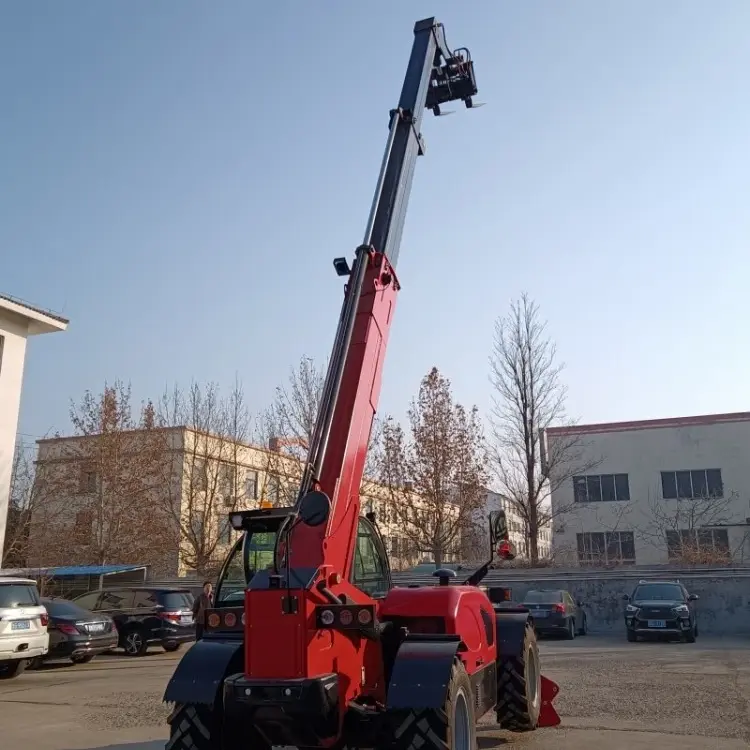
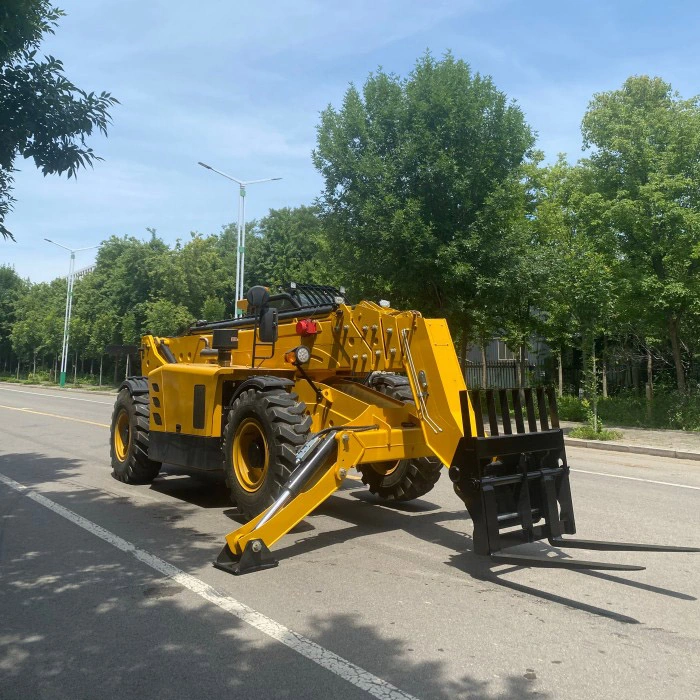
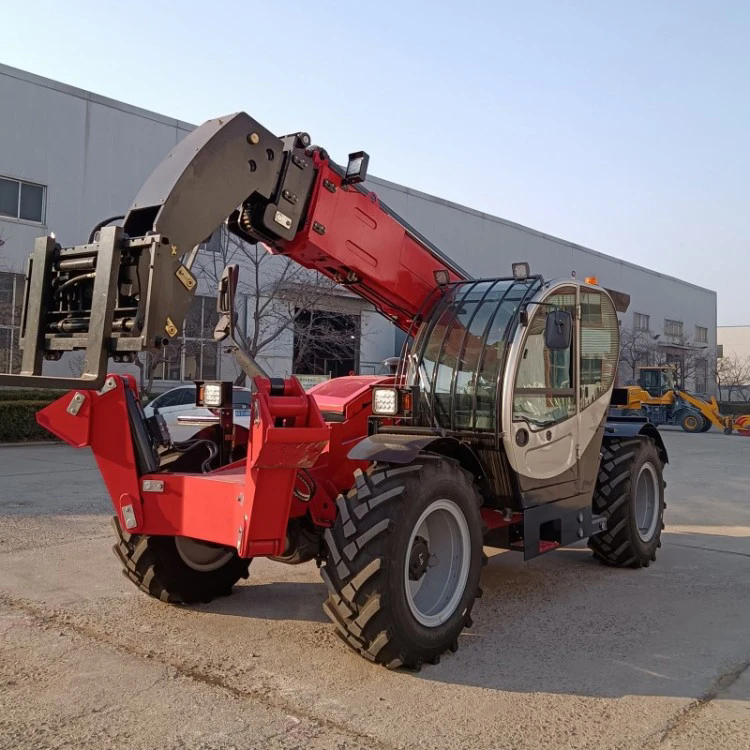
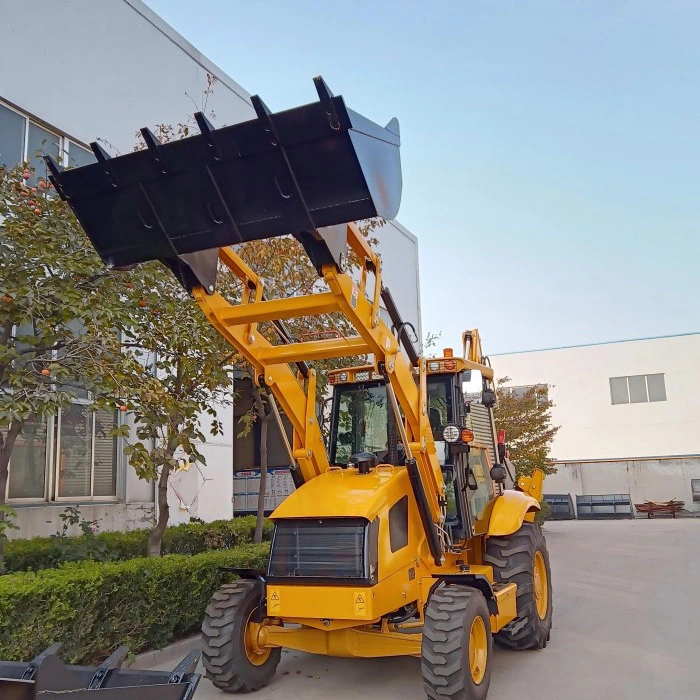
Telescopic handlers are used across construction sites, agricultural yards, and logistics warehouses where materials need to be lifted and placed at height or distance. The main difference from a standard forklift is the extendable boom, which allows the machine to reach positions that conventional lifting equipment cannot access. A quick-change attachment system enables the same base unit to be fitted with pallet forks, lifting jibs, material buckets, or sweepers in a short time, making the handler suitable for tasks from stacking building materials to loading produce and cleaning work areas.
Common Attachment Configurations
Attachment Type
Typical Application
Pallet forks
Handling palletized goods, stacking materials on site
Lifting jib
High-reach lifting of pipes, beams, and structural parts
Material bucket
Moving loose materials such as soil, gravel, or farm produce
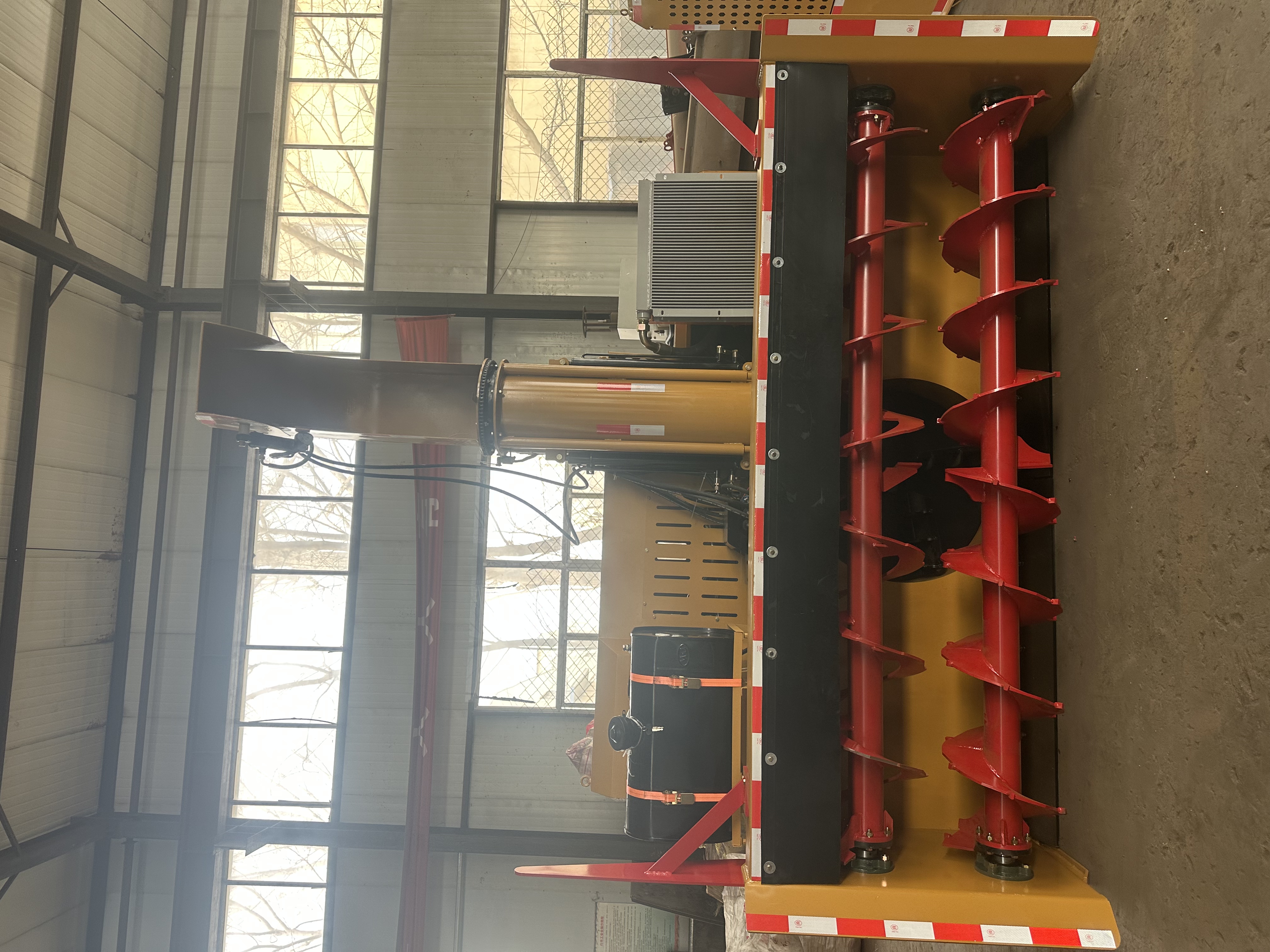
Sweeper
Site cleanup, dust and debris removal
Safety and Comfort Considerations
Modern telescopic handlers are built with several safety systems to manage the risks of high-reach operation. Load-moment indicators continuously monitor load weight and boom extension, helping the operator avoid tip-over situations. The machines are often equipped with rough-terrain tires that provide stable performance on unpaved, muddy, or gravel surfaces. Enclosed cabs with good visibility and reduced vibration contribute to operator comfort during long shifts.
Operational Benefits and Market Trends
In practical operation, a telescopic handler can replace several separate machines. A single unit can perform lifting tasks that would otherwise require a crane and a forklift, reducing equipment investment and the cost of moving machines between sites. As construction and farm logistics requirements continue to develop, newer models are incorporating energy-efficient engines and basic telematics or monitoring systems, which help track operating hours and load history. These improvements support the continued use of telescopic handlers as flexible material-handling equipment in a range of industries.
We use cookies to offer you a better browsing experience, analyze site traffic and personalize content. By using this site, you agree to our use of cookies. Privacy Policy