
Stay updated with Mingxu’s latest developments, including new product launches, overseas project deliveries, and our expanding footprint in Belt and Road markets.
Article Summary
A telescopic handler has become an essential machine for industries that require flexible lifting, loading, and transportation solutions. Combining the functions of a forklift, loader, and lifting platform, a telescopic handler helps businesses handle heavy materials more efficiently while reducing labor requirements and improving workplace safety. This article explains how a telescopic handler works, why it solves common operational challenges, how to choose the right model, and why Qingzhou Mingxu Supply Chain provides reliable equipment solutions for different application environments.
Modern construction sites, agricultural operations, warehouses, and industrial projects often face challenges involving limited working space, heavy loads, and complex lifting requirements. Traditional equipment may only complete one specific task, forcing companies to invest in multiple machines and increase operating costs.
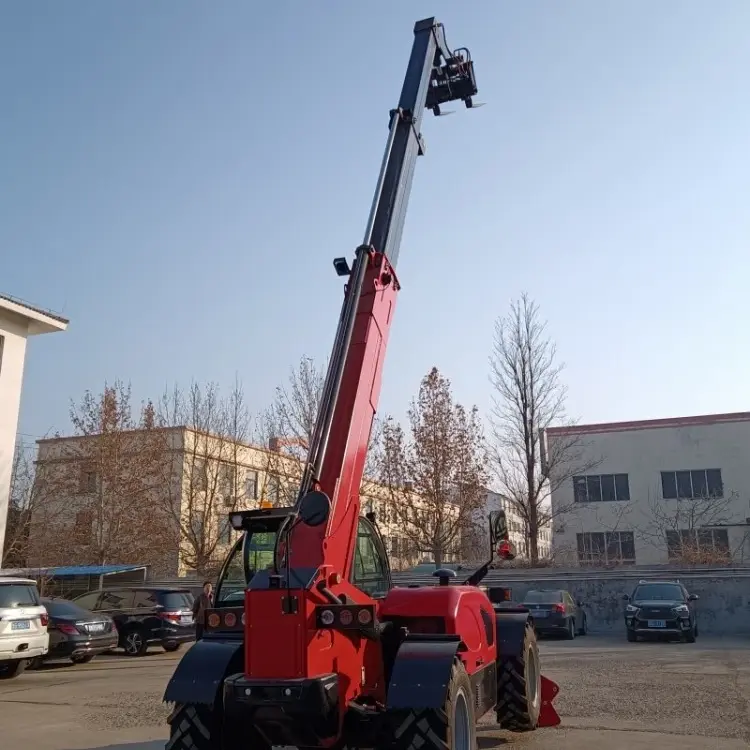
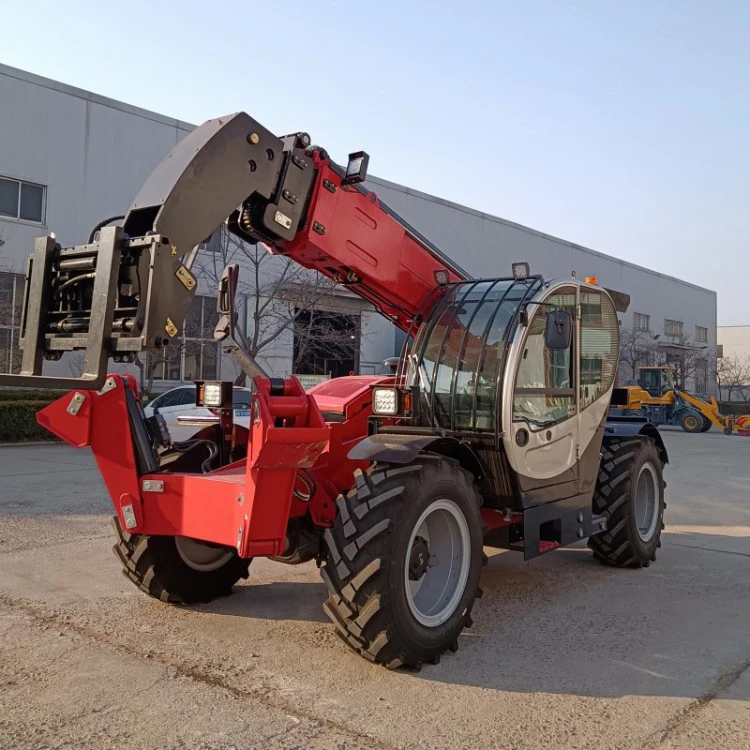
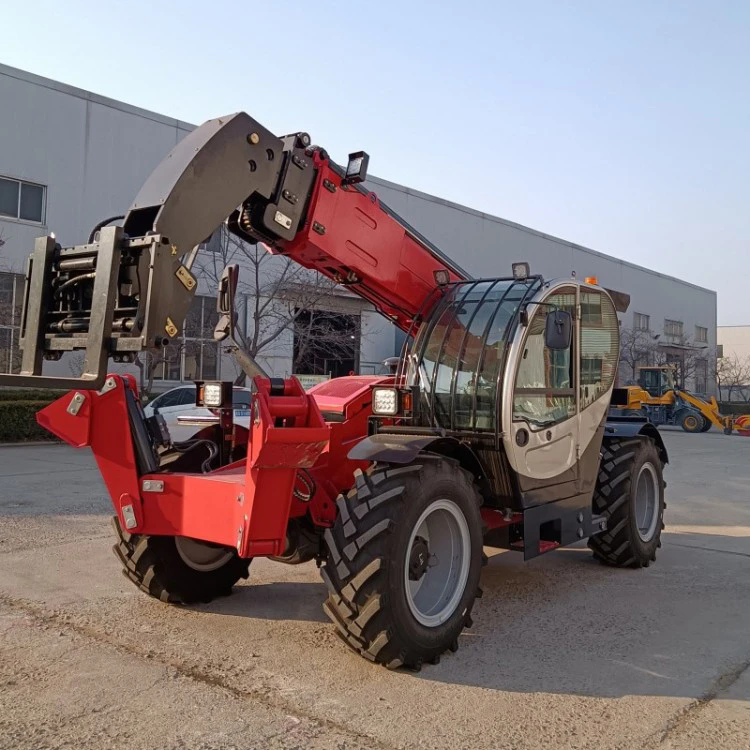
A telescopic handler provides a multifunctional solution by integrating lifting, reaching, transporting, and loading capabilities into one machine. Its telescopic boom structure allows operators to move materials forward and upward, making it suitable for projects where conventional forklifts or loaders cannot provide sufficient reach and flexibility.
Unlike standard forklifts, telescopic handlers are designed for challenging working environments. They can operate on uneven terrain while maintaining stability and productivity. Qingzhou Mingxu Supply Chain focuses on providing practical equipment solutions that help customers improve handling efficiency and reduce project delays.
A telescopic handler operates through a combination of hydraulic systems, telescopic boom technology, powerful drive systems, and specialized attachments. The machine uses a hydraulic cylinder to extend and retract the boom, allowing operators to position loads at different heights and distances.
| Component | Function | Customer Benefit |
|---|---|---|
| Telescopic Boom | Extends horizontally and vertically to reach difficult areas | Improves flexibility in complex working conditions |
| Hydraulic System | Controls lifting, extension, and attachment movement | Provides smooth and precise operation |
| Four-Wheel Drive System | Supports movement on rough terrain | Enhances stability and mobility |
| Attachment System | Allows connection of forks, buckets, and other tools | Expands machine application possibilities |
By changing different attachments, one telescopic handler can perform multiple tasks including pallet transportation, material loading, earth moving, and elevated lifting operations. This versatility makes it valuable for businesses looking to maximize equipment utilization.
Many businesses experience similar material handling challenges, including limited equipment flexibility, high labor costs, and inefficient transportation processes. A telescopic handler addresses these issues through advanced design and multifunctional operation.
| Advantage | Description |
|---|---|
| High Versatility | One machine can complete lifting, loading, transporting, and stacking tasks. |
| Excellent Reach Capability | The telescopic boom provides access to areas that traditional forklifts cannot reach. |
| Improved Efficiency | Reduces equipment switching time and increases daily productivity. |
| Strong Adaptability | Suitable for construction sites, farms, warehouses, and industrial facilities. |
| Cost Reduction | Lower investment in multiple machines and fewer maintenance requirements. |
For companies managing different projects, investing in multifunctional equipment is an effective way to improve return on investment. A reliable telescopic handler allows operators to complete more tasks with fewer resources.
The working environments of modern industries are becoming more complex. Telescopic handlers provide solutions across various sectors because of their adaptability and powerful performance.
Selecting the correct telescopic handler requires careful consideration of project requirements. Choosing an unsuitable machine may lead to unnecessary costs or reduced productivity.
| Selection Factor | Important Consideration |
|---|---|
| Lifting Capacity | Select a model according to the maximum weight of materials handled. |
| Working Height | Choose boom height based on required lifting distance. |
| Operating Environment | Consider terrain conditions, available space, and weather factors. |
| Attachments | Select compatible tools according to different applications. |
| Maintenance Support | Ensure spare parts availability and technical service capability. |
Qingzhou Mingxu Supply Chain provides equipment solutions designed for different industries and operational requirements. Understanding customer needs helps ensure the selected telescopic handler delivers reliable performance throughout its service life.
Proper maintenance is essential for improving equipment reliability and extending service life. Operators should follow regular inspection procedures to prevent unexpected downtime.
| Equipment Type | Main Function | Limitation | Telescopic Handler Advantage |
|---|---|---|---|
| Forklift | Pallet lifting and transportation | Limited reach and height capability | Provides extended lifting distance |
| Wheel Loader | Loading bulk materials | Limited precision lifting | Offers accurate high-level placement |
| Crane | Heavy lifting operations | Less flexible for daily handling | Combines lifting and transportation functions |
The main advantage of a telescopic handler is flexibility. It bridges the gap between different types of equipment and provides a practical solution for businesses requiring multiple capabilities from one machine.
Q1: What is a telescopic handler used for?
A telescopic handler is used for lifting, moving, loading, and placing materials in construction, agriculture, logistics, mining, and industrial applications.
Q2: How is a telescopic handler different from a forklift?
A forklift mainly focuses on vertical lifting and pallet movement, while a telescopic handler provides extended horizontal reach and higher flexibility through its telescopic boom.
Q3: Can a telescopic handler use different attachments?
Yes. Different attachments such as forks, buckets, and specialized tools allow the machine to complete various operations.
Q4: Is a telescopic handler suitable for rough terrain?
Many telescopic handlers are designed with strong chassis systems and traction capabilities, making them suitable for uneven construction sites and outdoor environments.
Q5: Why choose Qingzhou Mingxu Supply Chain?
Qingzhou Mingxu Supply Chain provides dependable telescopic handler solutions with a focus on equipment quality, application flexibility, and customer requirements. The company helps businesses select suitable machines for different working conditions and operational goals.
A telescopic handler is more than a lifting machine; it is a multifunctional solution designed to improve productivity, reduce operational costs, and simplify material handling processes. With strong reach capability, flexible attachments, and excellent adaptability, it has become an important choice for industries requiring efficient equipment performance.
If you are looking for a reliable telescopic handler solution for construction, agriculture, logistics, or industrial applications, Qingzhou Mingxu Supply Chain can provide professional equipment support and customized solutions. Please contact us to discuss your requirements and find the right machine for your project.