Stay updated with Mingxu’s latest developments, including new product launches, overseas project deliveries, and our expanding footprint in Belt and Road markets.
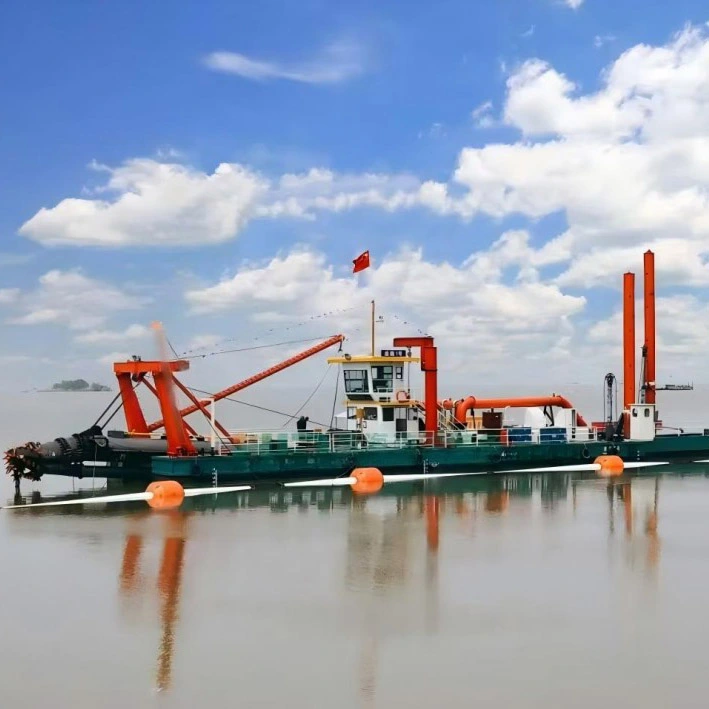
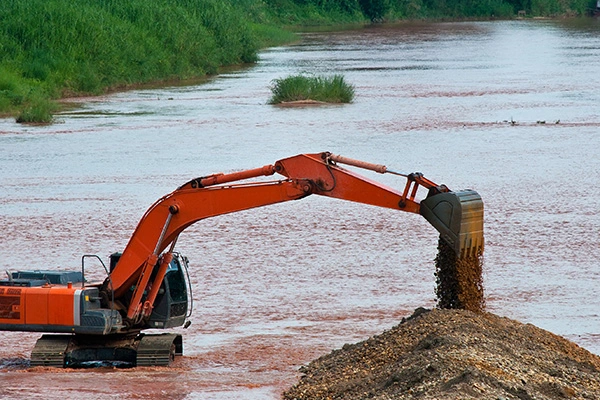
Dredging and sand pumping equipment is used in water environment renovation, river channel deepening, reservoir sediment removal, and sand extraction projects. The equipment operates by hydraulic pumping, transporting underwater silt, sand, and sludge as a sediment-water mixture through pipelines for long-distance conveying. This approach avoids the limitations of traditional mechanical excavation in complex aquatic environments.
Equipment Selection by Working Scenario
Different working conditions require different equipment configurations. The table below outlines common scenarios and the corresponding equipment types.
Working Scenario
Recommended Equipment
Key Characteristics
Shallow river maintenance
Compact sand pumping unit
Small size, easy to move, suitable for narrow waterways
Large-scale harbour dredging
Heavy-duty dredging pump
High flow capacity, handles large sediment volumes
Reservoir desilting
Medium-sized dredger with cutter head
Balanced performance for moderate depth and distance
Sand extraction for construction
Jet suction sand dredger
Effective in loose sand and shallow water
Wear Resistance and Material Considerations
Sand and gravel cause strong abrasive wear on internal pump components during continuous operation. For this reason, pump bodies and impellers are manufactured from wear-resistant materials, and the pipelines are designed with replaceable liners or thickened walls. The selection of material depends on the sediment type and expected operating hours, with high-chrome alloys and rubber linings commonly used where abrasive wear is severe.
Environmental Performance and Sediment Management
Newer dredging and sand pumping equipment is designed to reduce water disturbance and secondary mud pollution during operation. Sediment can be transported directly to designated areas for disposal or resource reuse, such as land reclamation or construction fill. This approach supports both flood-control river regulation and the resource-oriented treatment of sediment in water-related engineering projects.
We use cookies to offer you a better browsing experience, analyze site traffic and personalize content. By using this site, you agree to our use of cookies. Privacy Policy