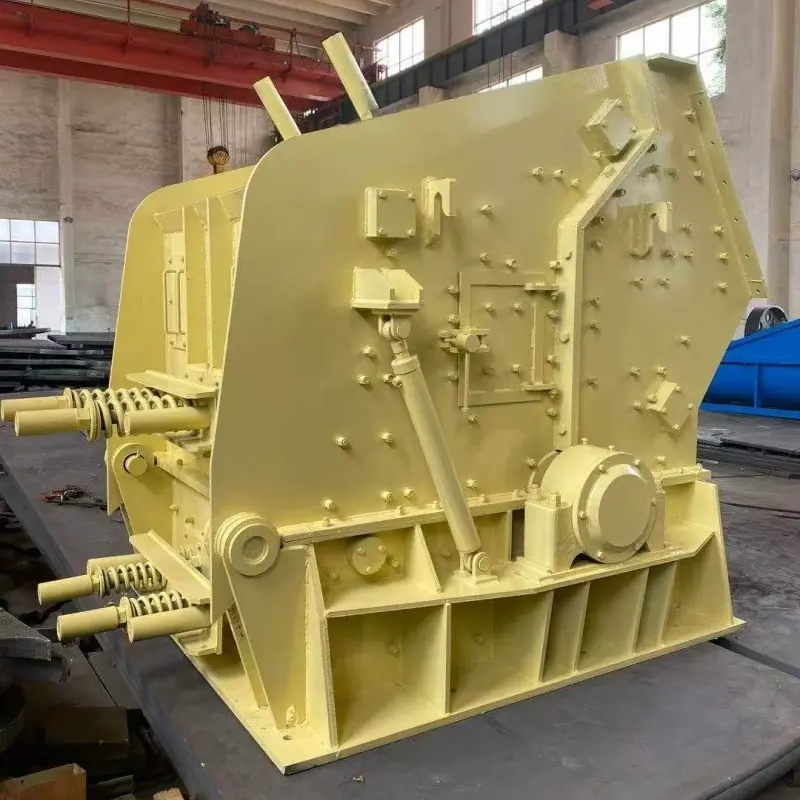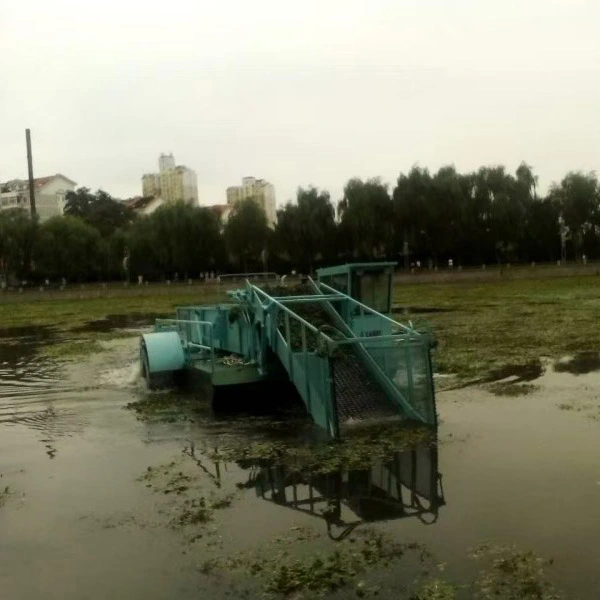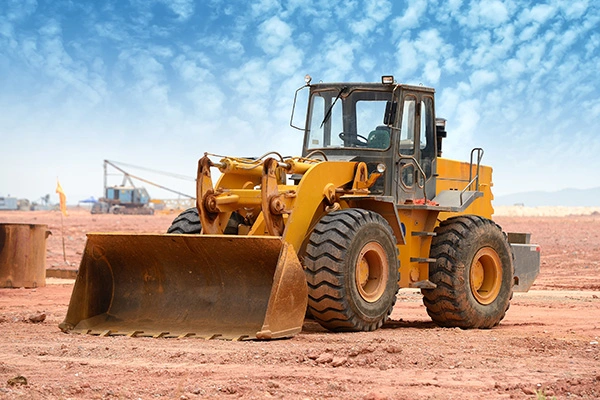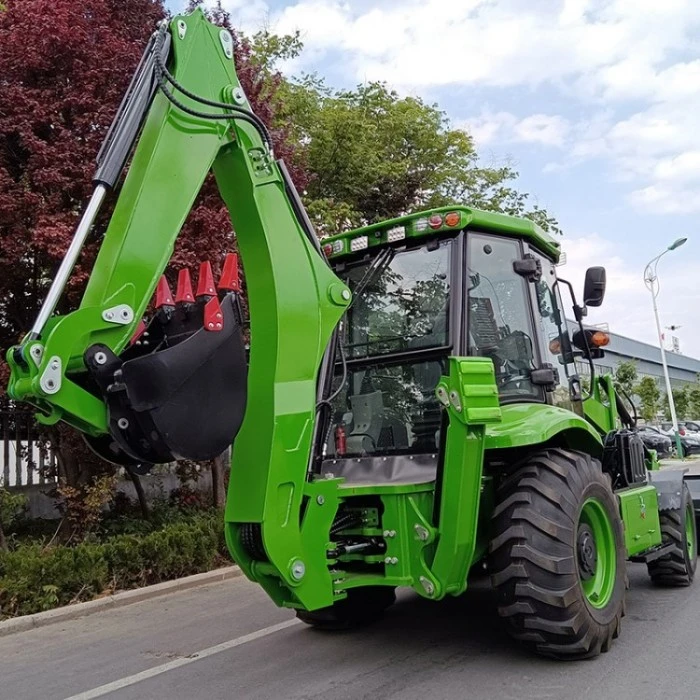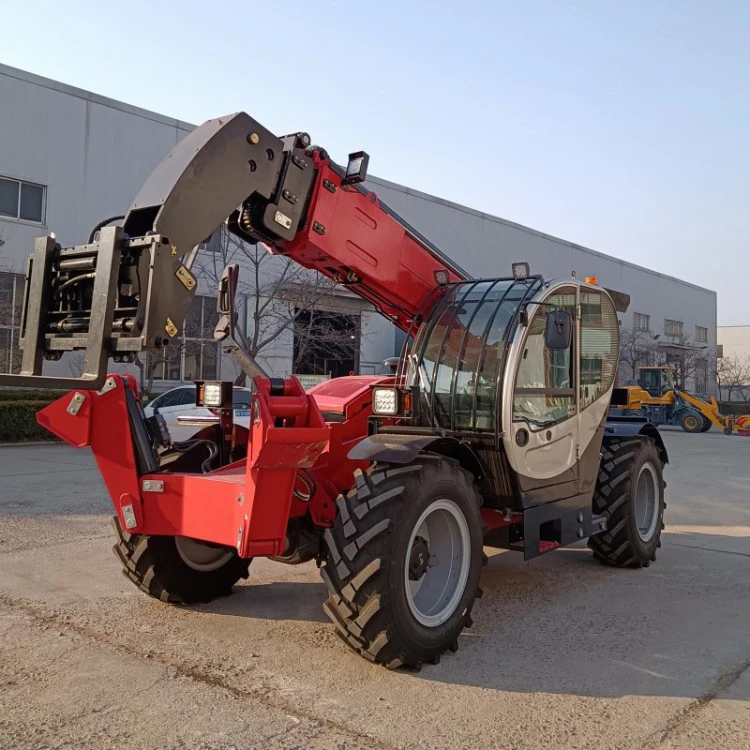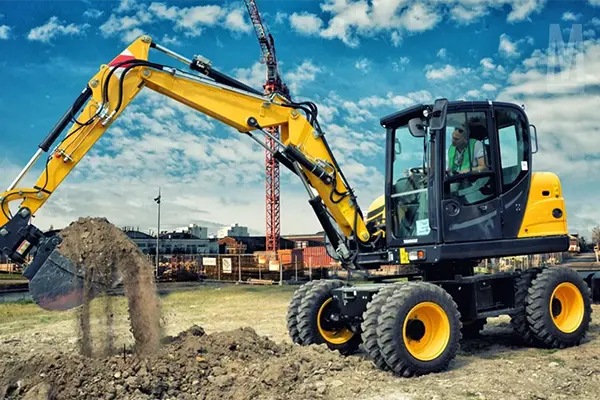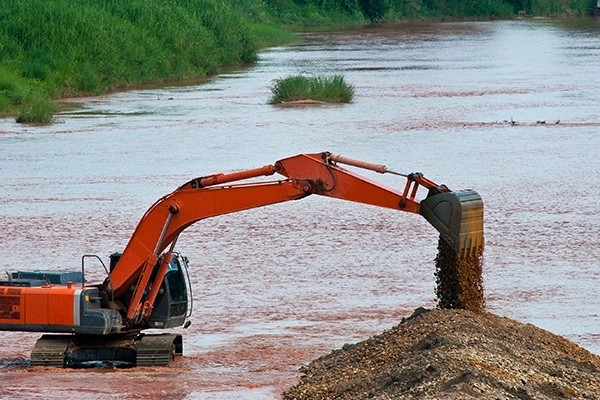

We offer a comprehensive one-stop sourcing solution across construction machinery, agricultural and forestry equipment, marine and power systems, hydraulic components, and new energy devices, all customizable to meet diverse project needs.
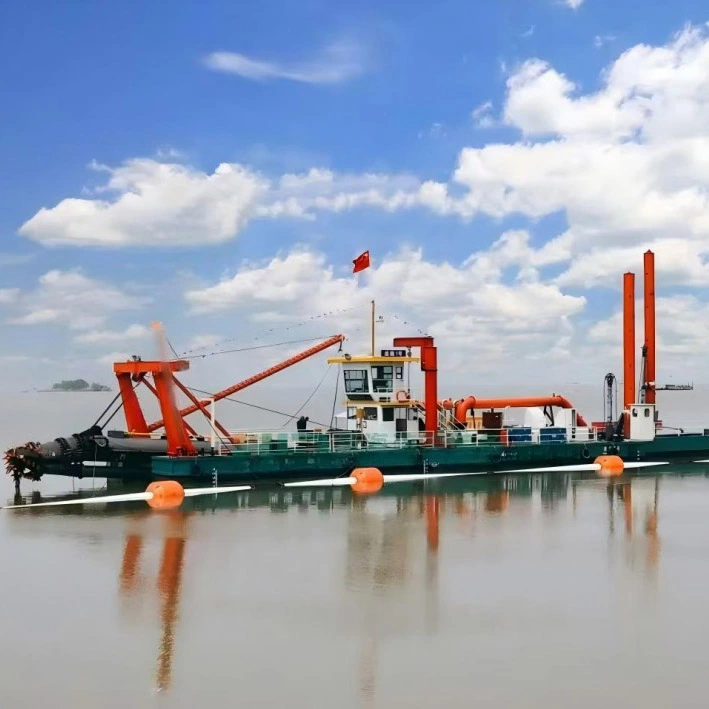
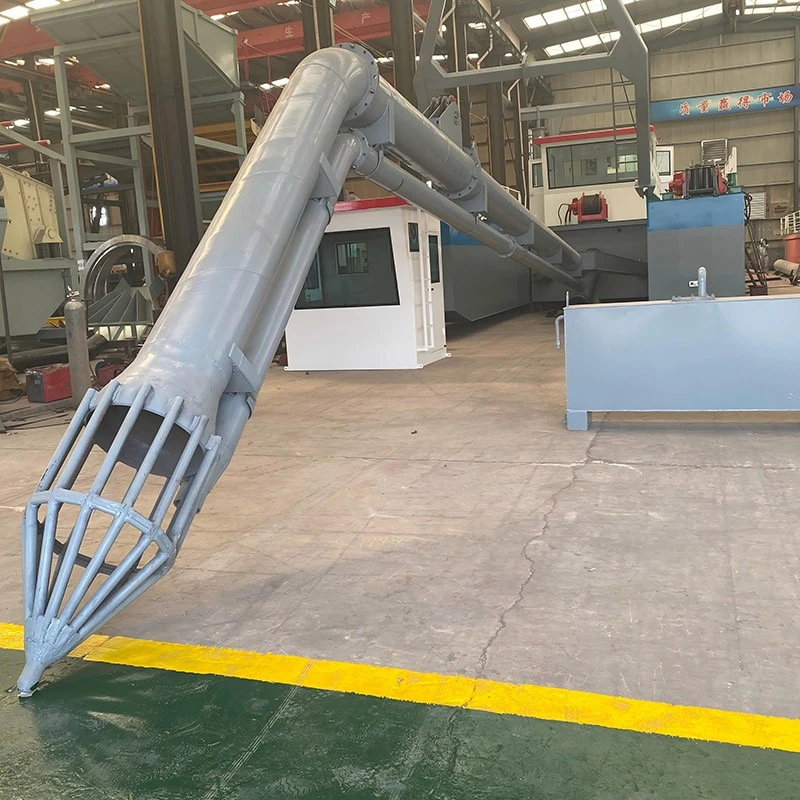
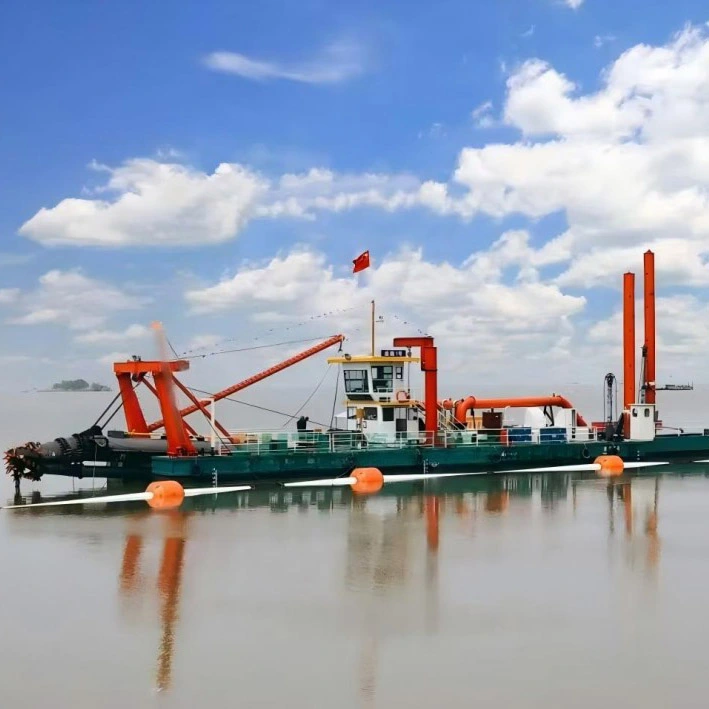
River, lake, reservoir, and port dredging projects often require a machine that can cut, lift, and move sediment over long distances in one continuous operation. Qingzhou Mingxu Supply Chain Co., Ltd. offers cutter suction dredgers built for this purpose. Each vessel carries a hydraulic cutter head, suction pipeline, dredge pump, and discharge line on a single platform.
Depending on the project, the equipment can be matched to different water depths, bottom materials, and required pumping distances. Configuration changes are made at the production stage based on the sediment profile and the planned slurry transport route.
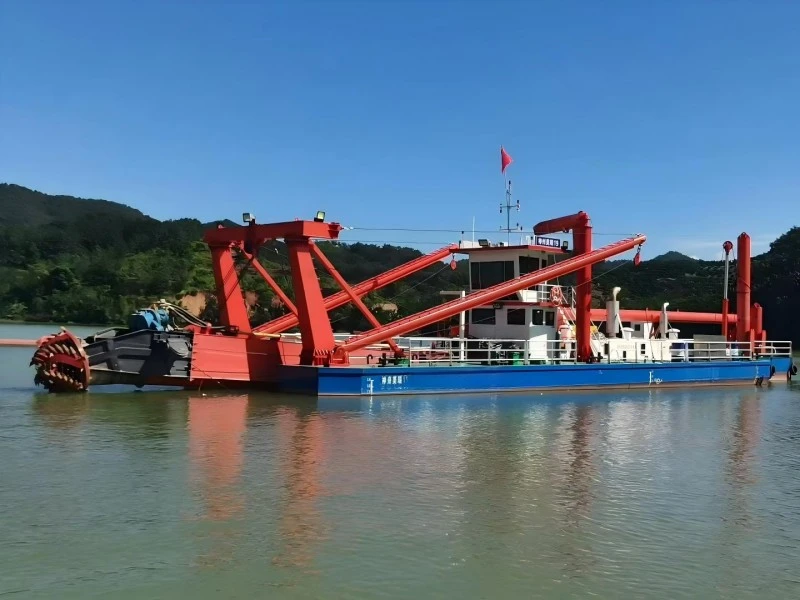
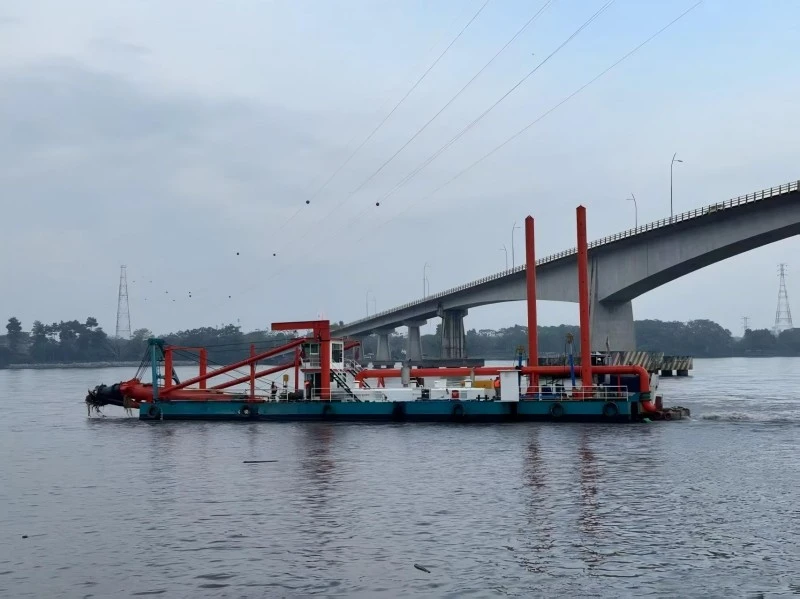
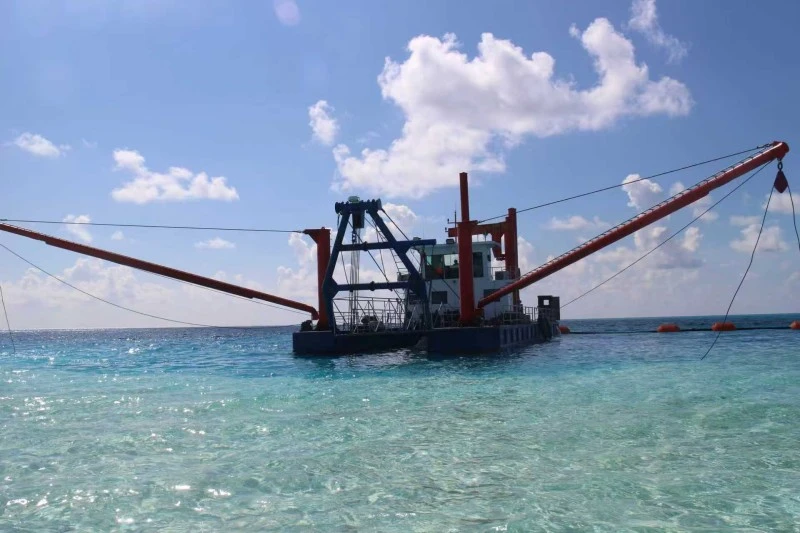
At the front of the vessel, a hydraulically driven cutter head rotates against the underwater deposit, loosening sludge, sand, and gravel into a pumpable mixture. The dredge pump then generates negative pressure in the suction pipe, drawing this slurry into the hull. From there, the mixture is pressurized through the discharge pipeline and sent to a reclamation area, storage pond, or other designated point. The entire cycle is continuous: cutting, suction, and discharge happen without interruption, which supports 24-hour operation on suitable projects.
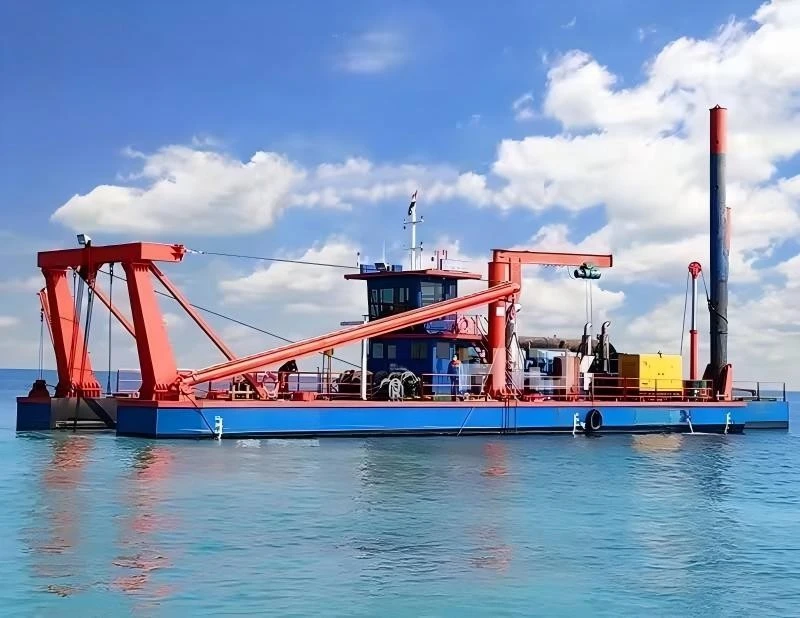
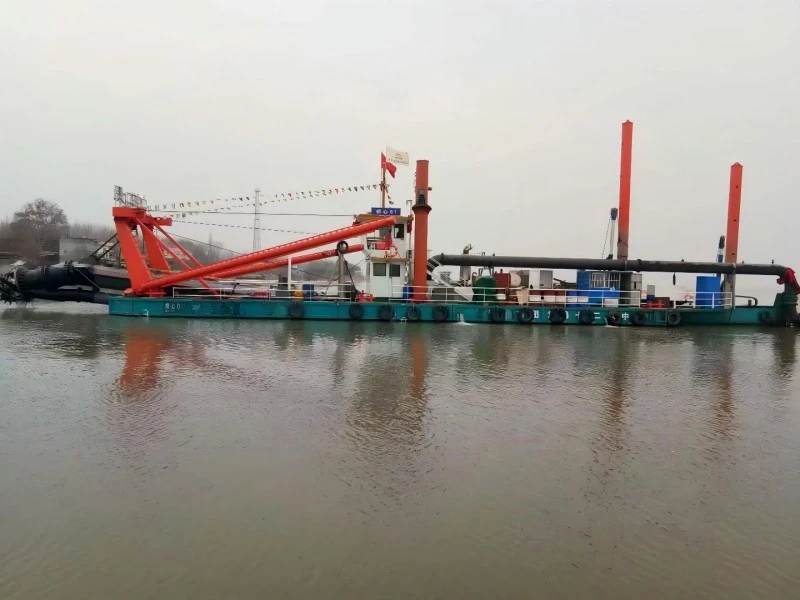
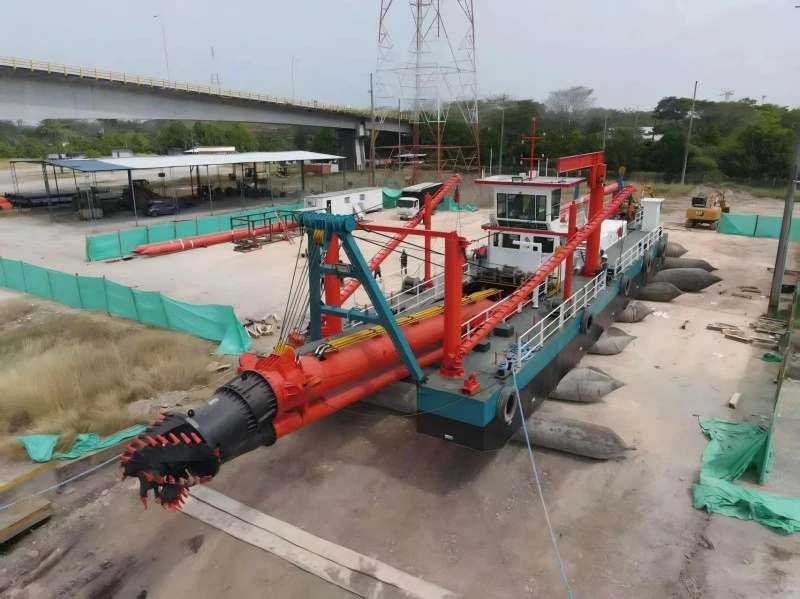
Before starting, the hull, cutter assembly, slurry pump, pipelines, and electrical system are checked. Fluid levels are confirmed, seals and fasteners inspected, and the anchoring checked to make sure the vessel stays in position. A no-load trial follows, covering cutter rotation, hydraulic response, and pump function, with attention to abnormal noise or vibration.
During work, the Cutter Suction Dredger is lowered to the sediment layer and rotated at a speed suited to the material. Cutting depth and swing are adjusted according to bottom conditions. The slurry pump keeps the pipeline charged, with pressure and flow monitored to prevent blockages or dry running. After the shift, the cutter is lifted clear of the water, clean water is flushed through the pipes, and the vessel is shut down in sequence, cleaned, and recorded.
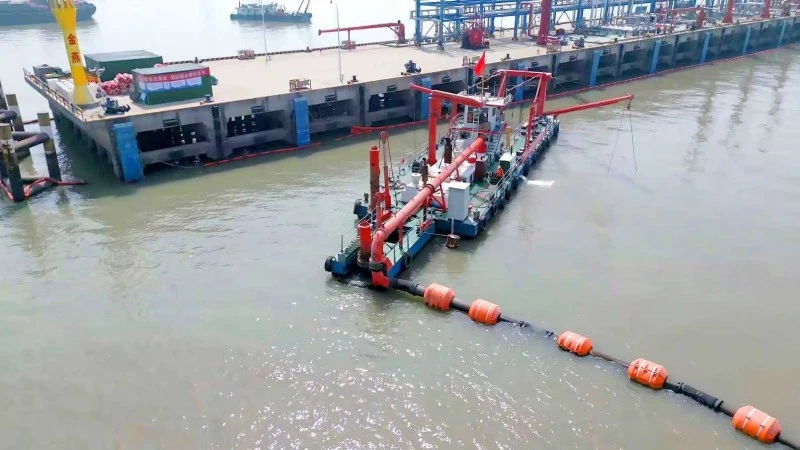
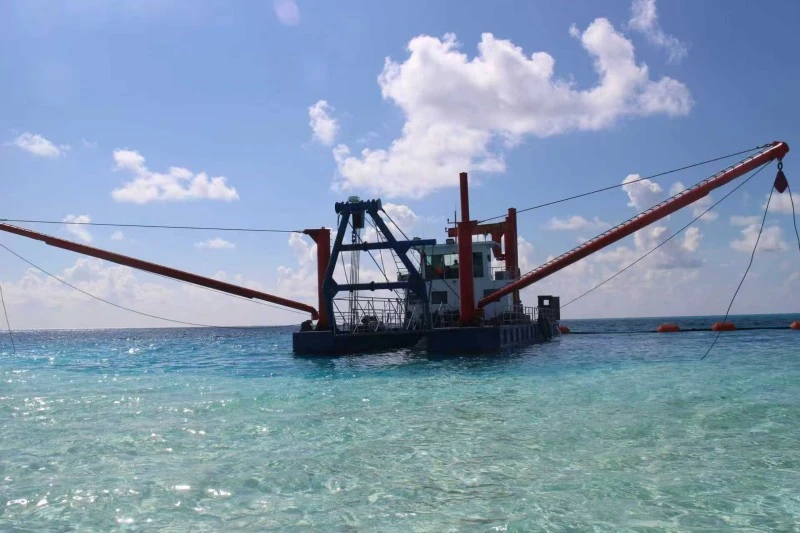
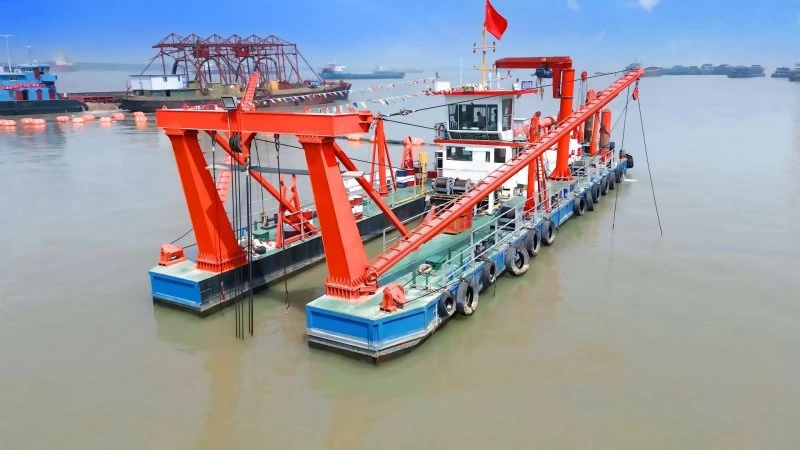
The machine combines several stages in one hull, so a separate excavator and barge are usually unnecessary. Hydraulic and electric controls allow the operator to change cutter speed, swing, and slurry flow from the cabin, which limits manual work during long shifts. The same basic design operates in shallow channels, reservoirs, ports, and tidal flats, handling anything from soft mud to mixed sand and gravel. Actual output depends on pump size, pipeline length, and bottom material.
1. Water conservancy regulation: river widening, flood control dredging, ditch clearing, and sediment treatment to improve discharge capacity.
2. Lake and reservoir restoration: removing accumulated sediment and bottom mud to restore water depth and ecology.
3. Port and waterway upkeep: maintaining berth depth and navigable channels, including regular coastal maintenance.
4. Aquaculture pond renovation: cleaning silt and expanding ponds to improve water conditions for breeding.
| Pump Inlet Size | Typical Dredging Depth | Common Application |
|---|---|---|
| 6–8 inch | 3–8 m | Shallow rivers, small ponds, urban channels |
| 10–12 inch | 8–14 m | Medium rivers, lakes, reservoir dredging |
| 14–16 inch | 14–20 m | Large waterways, coastal maintenance, land reclamation |
Choosing the right model usually involves the sediment type, water depth, discharge route, and available power. Clay-heavy material calls for higher cutter torque; extended discharge lines may require extra pumping capacity or booster stations. Our engineers can help with preliminary configuration once the site conditions are known.
The complete vessel is covered for 12 months or 1,000 working hours, whichever comes first. Wear components and failures caused by improper use are not included. Replacement parts can be supplied; transport costs and installation work are the buyer's responsibility.
Q1: What should I prepare before confirming a dredger model?
A1: Basic information such as water depth, bottom sediment type, target output, and discharge distance is usually enough for an initial recommendation. A sample of the sediment is helpful when the material is unusually hard or sticky.
Q2: How is the dredger delivered to remote sites?
A2: The hull can be divided into sections or the main components shipped separately, depending on the destination and access conditions. This keeps transport practical and allows reassembly on site with the instructions provided.
Q3: Which parts need to be replaced most often?
A3: Cutter teeth, suction liners, pump impellers, and discharge bends are the main wear items. Keeping spares of these parts on hand helps avoid long stoppages during continuous work.
Q4: Is it possible to arrange commissioning help for the first dredger order?
A4: Yes, commissioning support can be arranged for first-time buyers or bulk orders. Engineers can assist with assembly, hydraulic checks, and basic operator training. For standard single-unit orders, manuals and video guidance are provided.
Address
West end of Yadong Street, Qingzhou Economic Development Zone, China
Tel