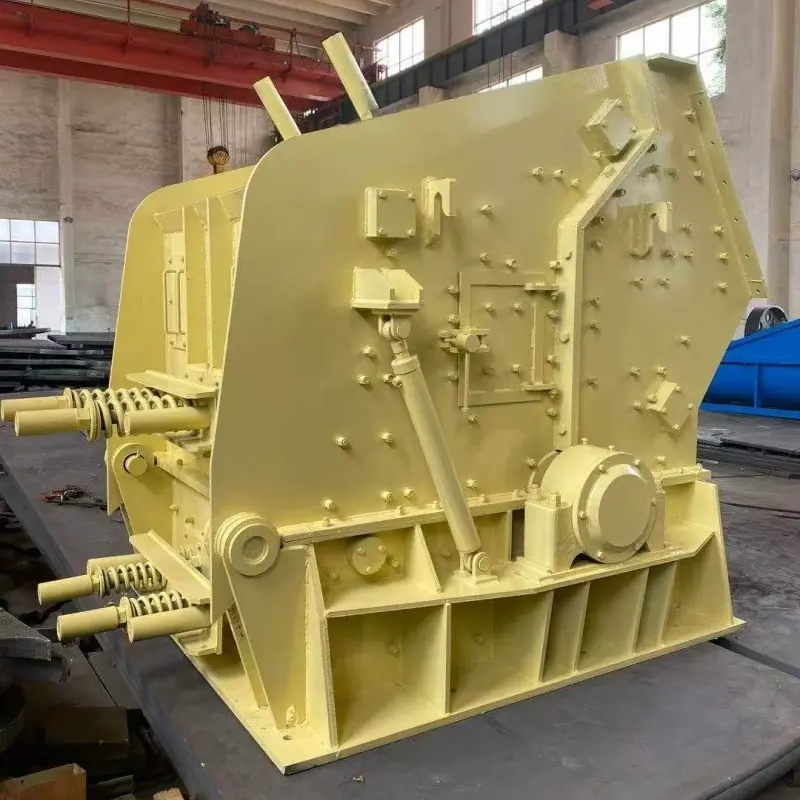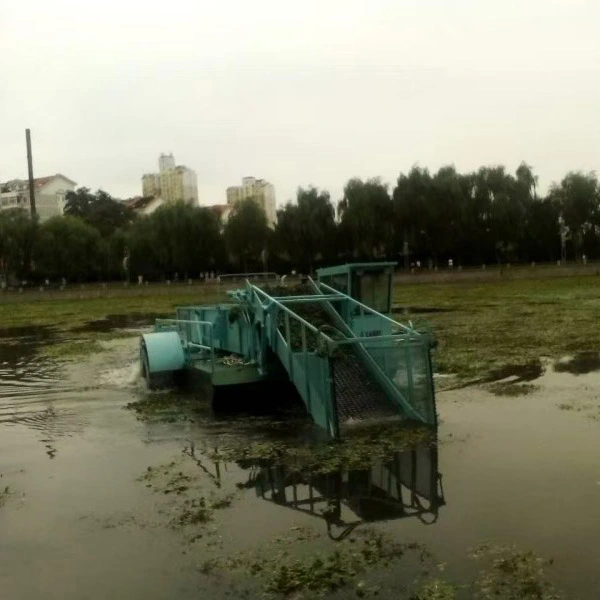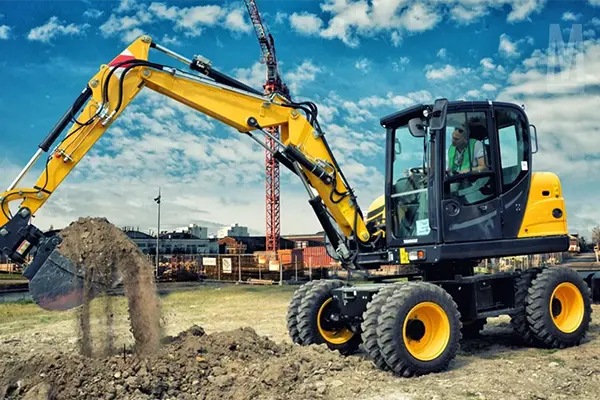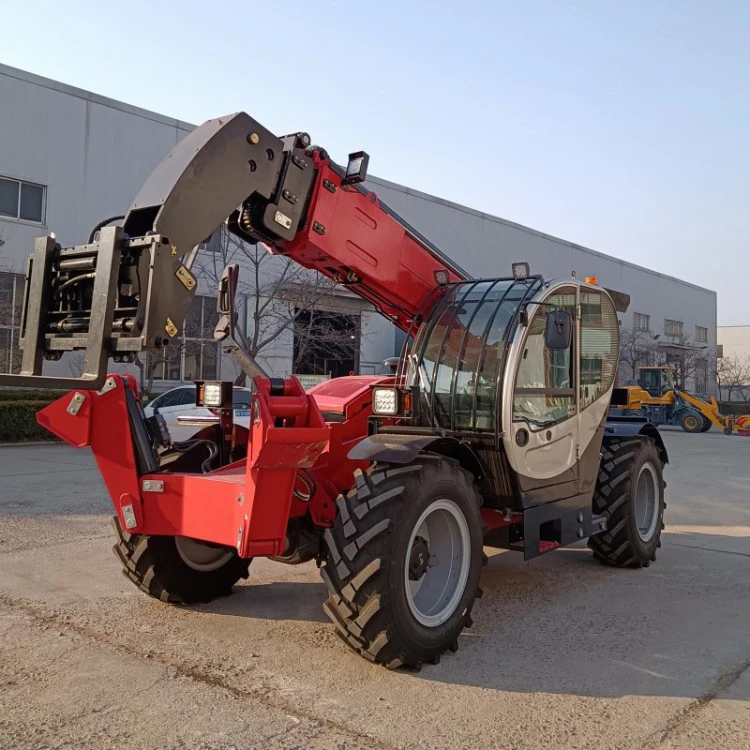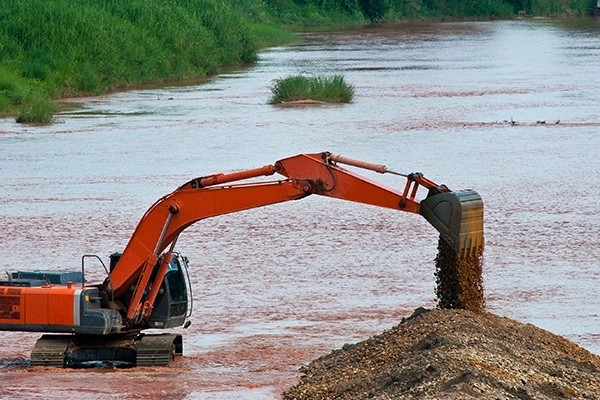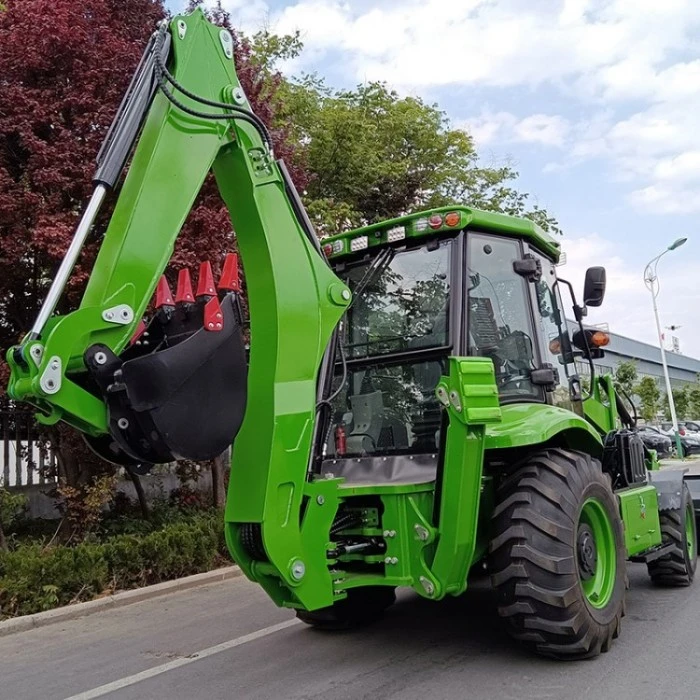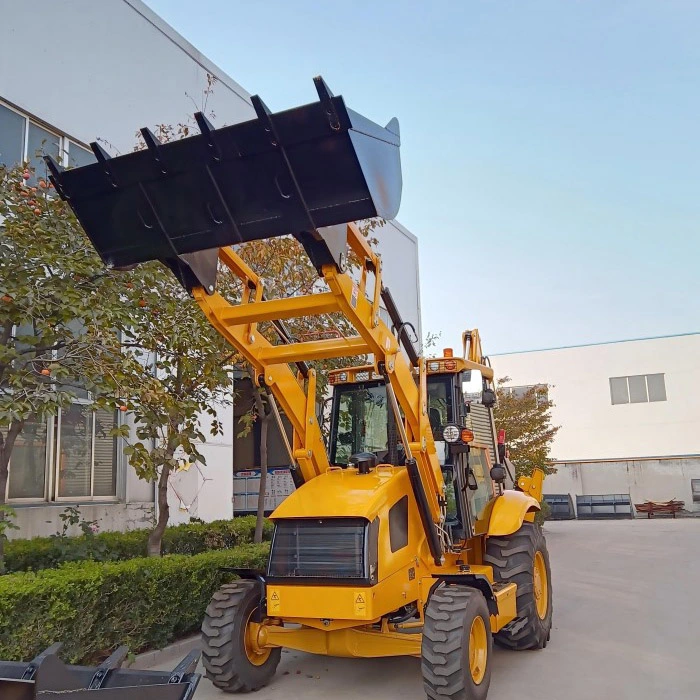

We offer a comprehensive one-stop sourcing solution across construction machinery, agricultural and forestry equipment, marine and power systems, hydraulic components, and new energy devices, all customizable to meet diverse project needs.
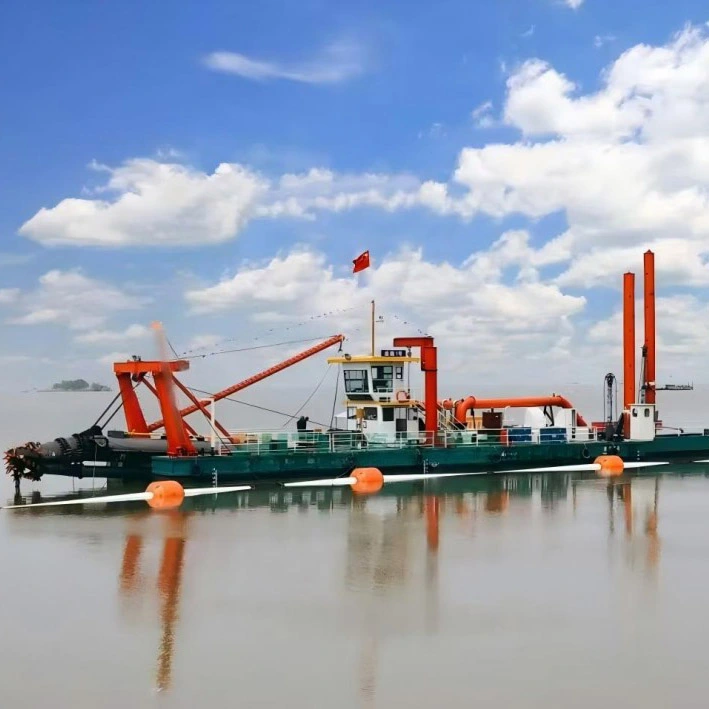
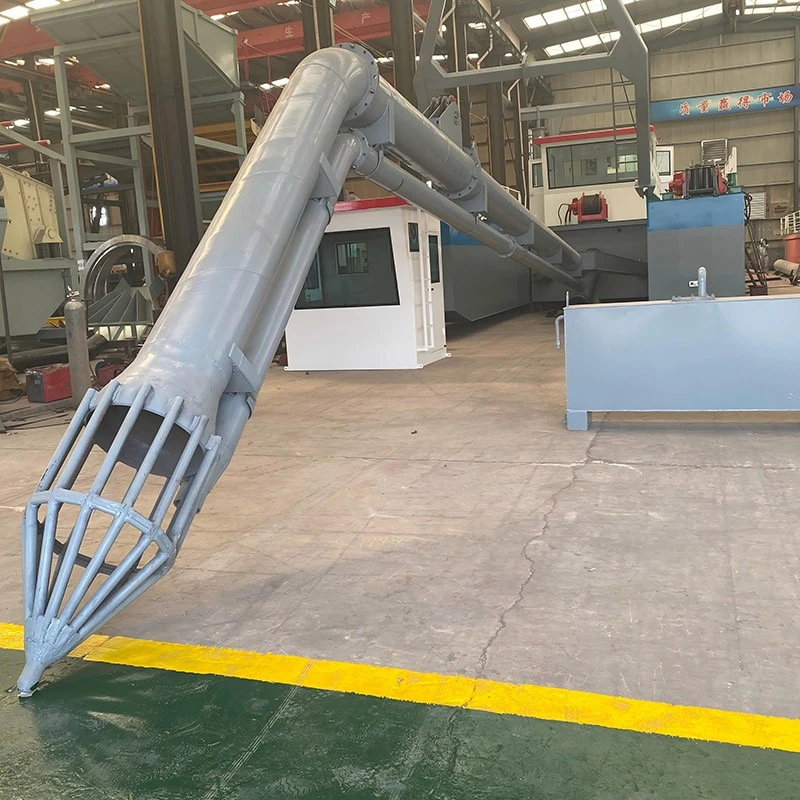
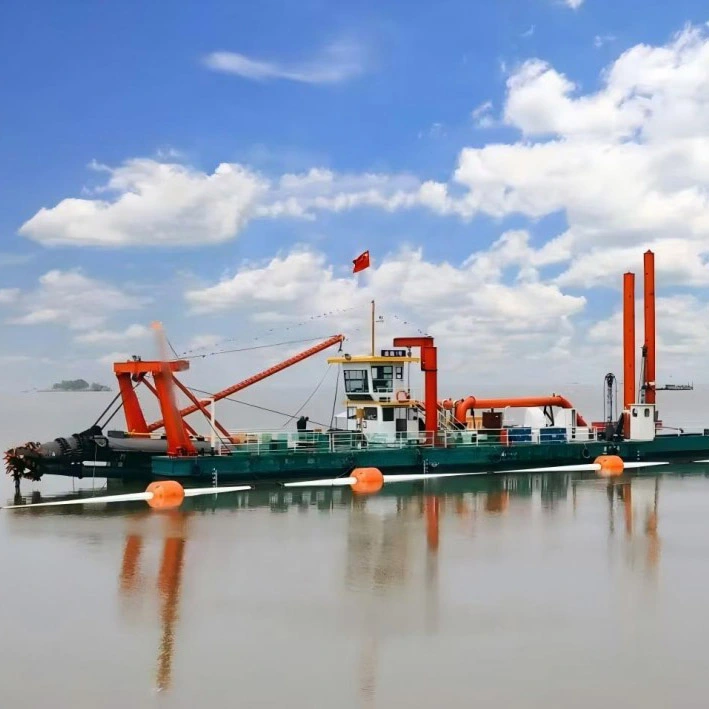
Qingzhou Mingxu Supply Chain Co., Ltd. supplies Hydraulic Cutter Suction Dredgers for continuous dredging and sediment removal in rivers, lakes, reservoirs, ports, and coastal areas. The equipment combines a hydraulic cutter head, suction pipeline, dredge pump, and discharge system in a single vessel, allowing underwater material to be loosened, drawn in, and transported to a designated location.
The dredger is configured for 24-hour operation and can be adapted to different dredging depths, sediment types, and discharge distances. Customization is available based on water depth, soil conditions, and the required slurry transport length. The vessel is suitable for water conservancy projects, waterway maintenance, and land reclamation work.
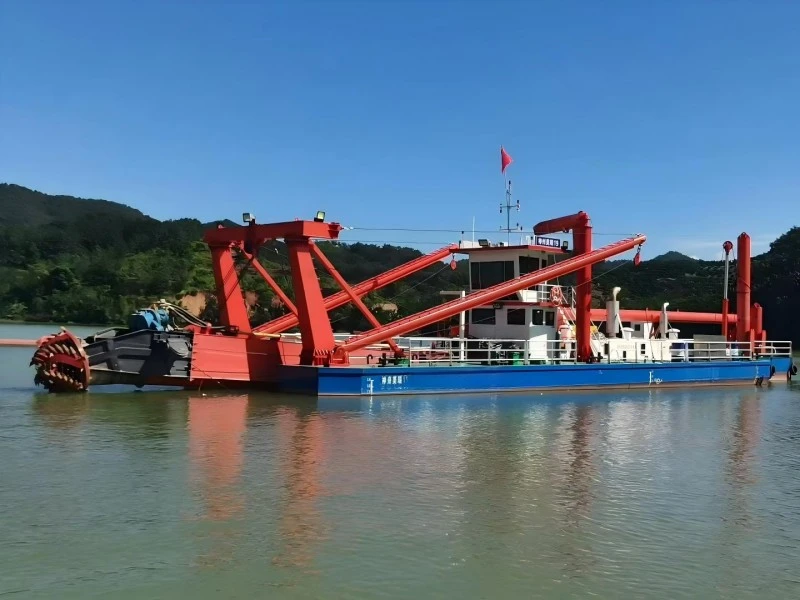
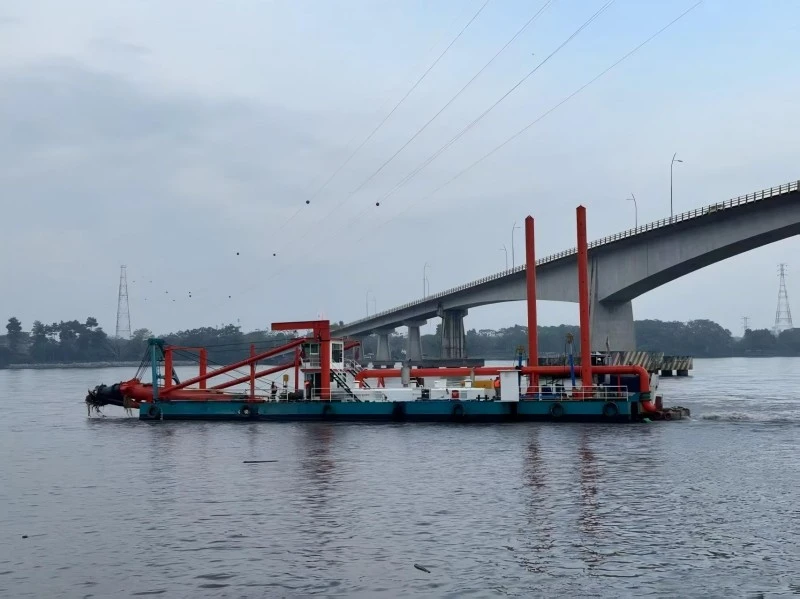
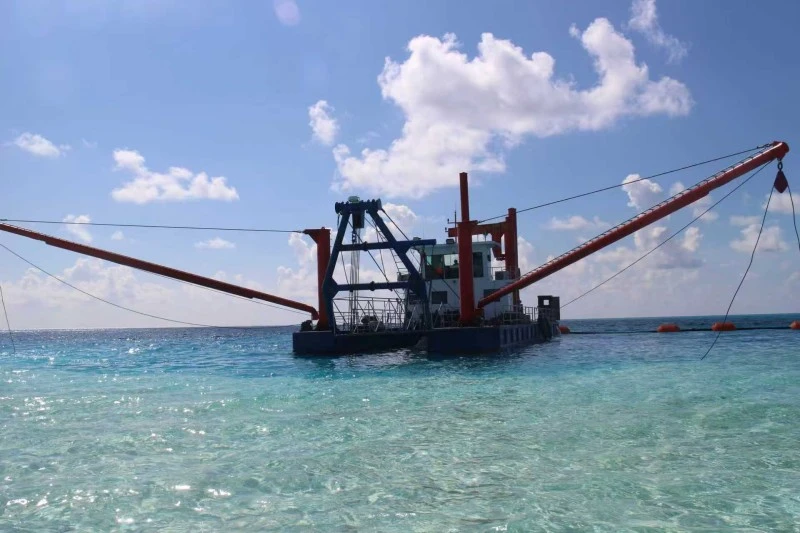
1. Cutter head excavation: A rotary cutter head mounted at the bow is driven by the hydraulic system. It cuts and agitates underwater deposits such as sludge, sand, and gravel, turning them into a loose slurry.
2. Slurry suction and discharge: The dredge pump creates negative pressure in the suction pipe, drawing the slurry into the vessel. The slurry is then pressurized and sent through the discharge pipeline to a storage area, reclamation site, or other designated location.
3. Continuous cycle: The machine performs excavation, suction, and discharge in a repeating loop, allowing round-the-clock operation for medium and large-scale dredging projects.
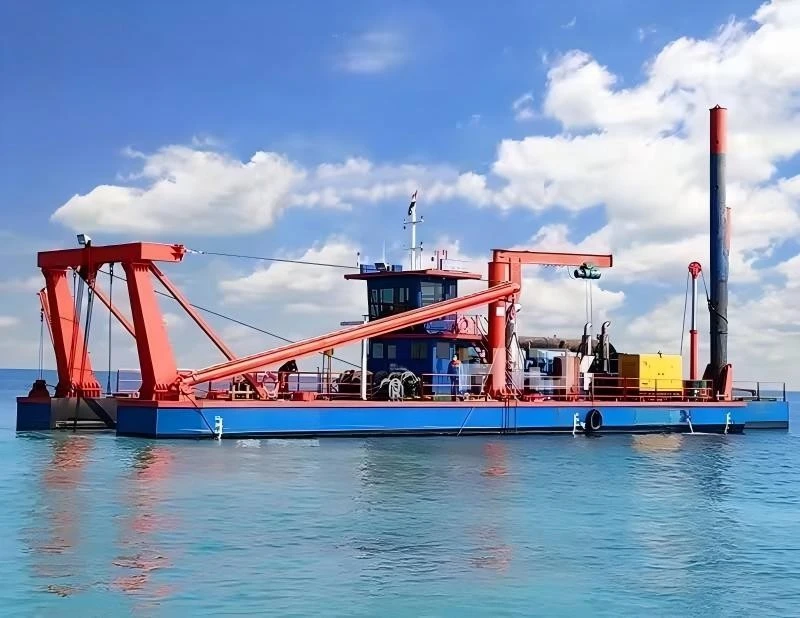
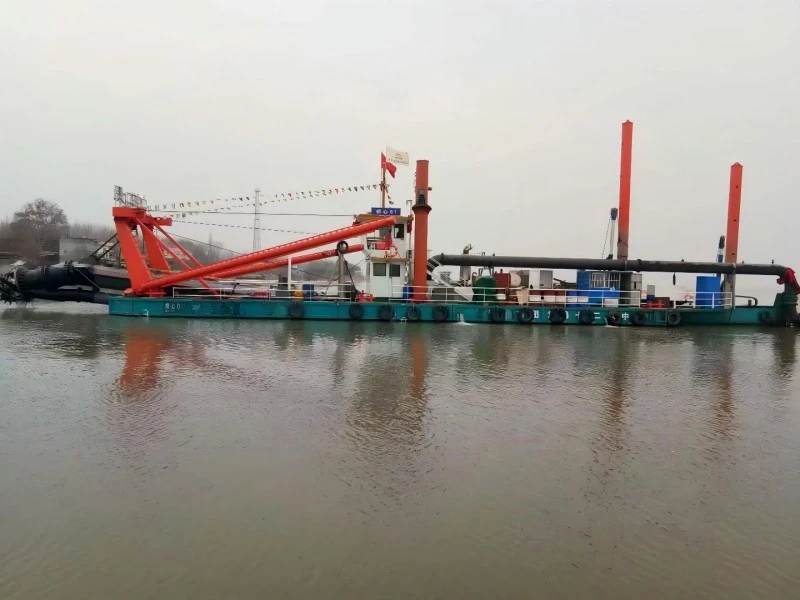
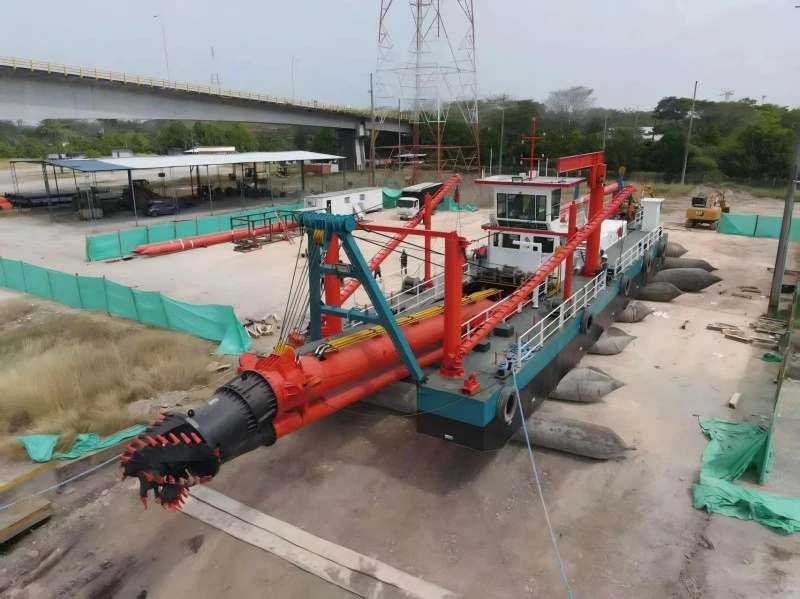
1. Pre-operation inspection: Check the hull structure, hydraulic system, cutter assembly, slurry pump, pipelines, and electrical controls. Verify hydraulic oil, engine oil, and cooling water levels. Inspect pipeline seals and fasteners. Confirm the work area is clear and the vessel is securely anchored.
2. No-load trial run: Start the equipment without load. Test the hydraulic controls, cutter rotation, and slurry pump operation. Listen for abnormal noise or vibration and check for leaks. Begin formal dredging only after stable operation is confirmed.
3. Positioning and cutting: Adjust the hull position and anchor points. Lower the cutter head to the sediment layer. The hydraulic cutter rotates at low speed to loosen sludge, sand, and gravel, forming a uniform slurry. Cutting speed and working range can be adjusted according to water depth and soil conditions.
4. Slurry transport: The slurry pump draws the mixture into the pipeline and pressurizes it for long-distance delivery. Monitor pipeline pressure and slurry flow continuously to avoid blockages, empty suction, or overload.
5. Shutdown and cleaning: After work, lift the cutter head out of the water. Flush the slurry pipeline with clean water to remove remaining material and prevent blockages. Shut down the power and hydraulic systems in the correct order, then clean, lubricate, and record the machine condition.
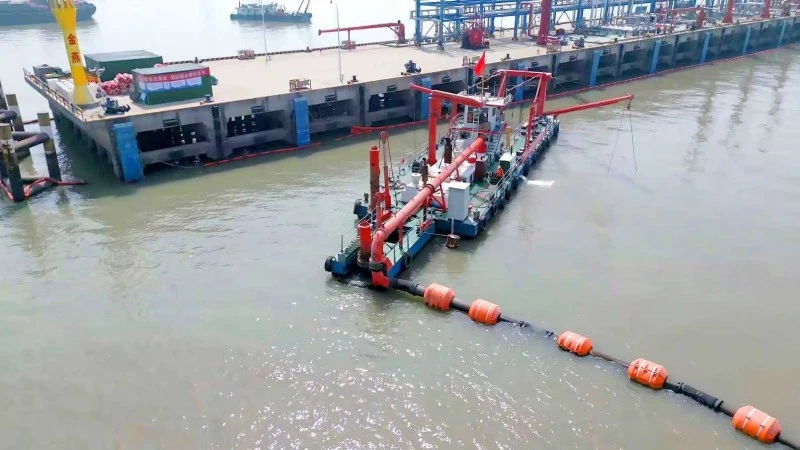
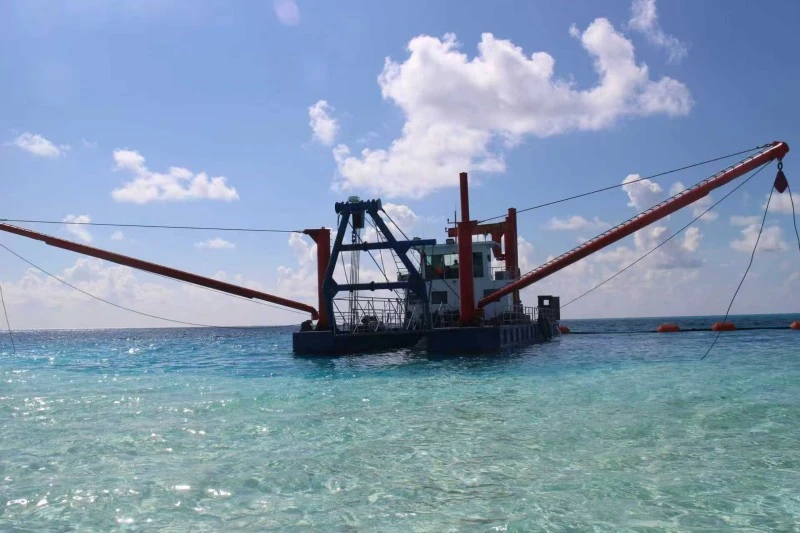
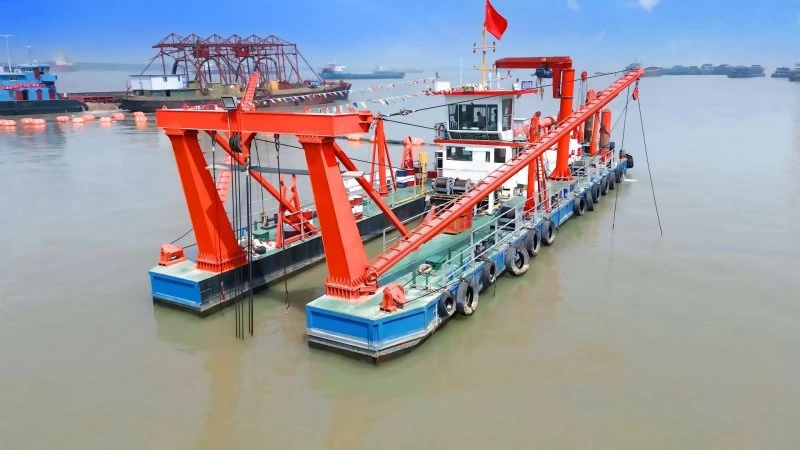
1. Integrated continuous operation. The machine combines cutting, suction, transport, and discharge in one unit, supporting continuous work without frequent stops. This helps maintain a steady output and is suitable for long-duration projects.
2. Automated hydraulic control. A full hydraulic drive and electric control system allow adjustment of cutter speed, hull swing, and slurry flow from the control cabin. Automation reduces the need for manual intervention and lowers the chance of operating errors.
3. Adaptability to various conditions. The dredger works in rivers, lakes, reservoirs, ports, waterways, and tidal flat reclamation areas. It handles sludge, sand, and gravel mixtures in both shallow and deep water.
| Pump Inlet Size | Typical Dredging Depth | Common Application |
|---|---|---|
| 6–8 inch | 3–8 m | Shallow rivers, small ponds, urban channels |
| 10–12 inch | 8–14 m | Medium rivers, lakes, reservoir dredging |
| 14–16 inch | 14–20 m | Large waterways, coastal maintenance, land reclamation |
When selecting a cutter suction dredger, several site-specific factors should be considered: sediment type and hardness, required dredging depth, discharge distance, and available power supply. For high clay content, a cutter head with higher torque is recommended. For long discharge distances, a pump with sufficient head or intermediate booster stations may be needed. Our engineers can provide configuration suggestions based on a simple description of the project conditions.
The dredger can be engineered around specific project parameters. The design process begins with the customer's site data: water depth, soil profile, required production rate, and discharge distance. Based on these inputs, the following elements are determined:
1. Pump and power selection: The dredge pump size and engine or motor power are matched to the required slurry flow and head. For high-sediment or long-distance pumping, a larger pump and additional booster stations may be specified.
2. Hull configuration: Hull dimensions, pontoon arrangement, and draft are adjusted for the working water depth and transport constraints. The split-hull option is available for containerized shipping to remote locations.
3. Cutter head type: Cutter head diameter and tooth configuration are selected according to soil hardness. For rocky or compacted sediments, a heavy-duty cutter with replaceable teeth is recommended; for soft mud, a standard cutter is sufficient.
4. Discharge pipeline design: Pipe diameter and wall thickness are calculated based on the required flow rate and distance. Booster pump stations can be integrated for extra-long discharge lines, and floating or submerged pipe options are available depending on the site layout.
The final configuration is documented in a technical proposal with layout drawings and equipment specifications, allowing the customer to review the design before production.
The whole machine is covered for 12 months or 1,000 working hours, whichever comes first. Wear parts and damage caused by human error are not included. Replacement parts can be supplied; freight costs and installation labor are the customer's responsibility.
For overseas projects, commissioning assistance can be arranged. Our engineers can travel to the site to supervise assembly, test hydraulic and dredging functions, and train local operators on startup, shutdown, and daily maintenance procedures. Remote support via video call or technical documentation is also available for minor adjustments.
Spare parts for common wear items—such as cutter teeth, suction pipe liners, pump impellers, and pipe bends—are kept in stock for export orders. A recommended spare parts list is provided with each vessel based on the expected operating conditions and project duration. For long-term projects, a consignment stock arrangement can be discussed to reduce downtime.
1. Urban and rural water conservancy regulation: river desilting and widening, flood control dredging, ditch clearing, and treatment of black-odor sediment to improve flood discharge capacity.
2. Lake and reservoir environmental dredging: removal of landscape lake sediment, drinking water reservoir silt, and eutrophic bottom mud to help restore water ecology.
3. Port and waterway maintenance: inland waterway deepening, berth dredging, and regular coastal channel upkeep to maintain navigation depth.
4. Aquaculture pond renovation: fish pond silt cleaning and expansion excavation to improve breeding water quality.
Q1: How do I choose the right pump inlet size for my project?
A1: The selection depends mainly on dredging depth, sediment type, and required output. Small 6–8 inch models are generally suitable for shallow rivers and ponds. Medium 10–12 inch models work well for lakes and reservoirs. Large 14–16 inch models are used for deep waterways and land reclamation. Providing sediment samples and project dimensions can help confirm the most suitable configuration.
Q2: Is on-site installation and commissioning support available?
A2: For bulk orders or first-time projects, commissioning assistance can be arranged. Engineers can guide the assembly, test hydraulic functions, and provide basic operator training. For smaller orders, detailed manuals and video instructions are supplied.
Q3: What are the main wear parts on a cutter suction dredger?
A3: The cutter teeth, suction pipe liners, pump impeller, and discharge pipeline bends are the most common wear items. Their replacement frequency depends on sediment hardness. We recommend keeping a stock of cutter teeth and pipe seals for continuous projects.
Q4: Can the dredger be designed for a specific discharge distance?
A4: Yes. The pipeline diameter and pump head are calculated based on the horizontal distance and vertical lift required. For distances beyond the capacity of a single pump, booster stations can be added along the pipeline. The design is adjusted during the proposal stage to ensure stable slurry delivery.
Q5: What support is available after the warranty period?
A5: After the warranty ends, we continue to supply spare parts and technical advice. For major repairs or upgrades, on-site service can be arranged on a fee basis. Customers can also send photos or videos for remote diagnosis of operating issues.
Address
West end of Yadong Street, Qingzhou Economic Development Zone, China
Tel