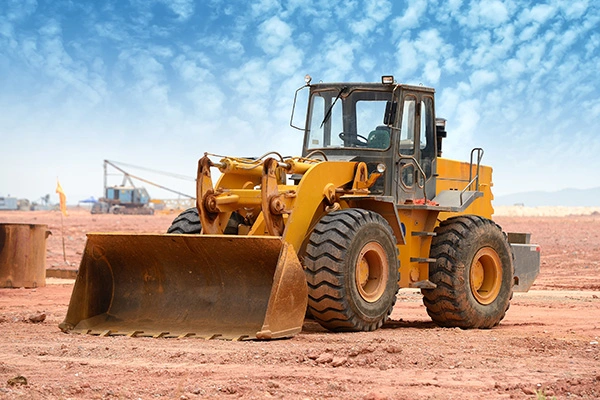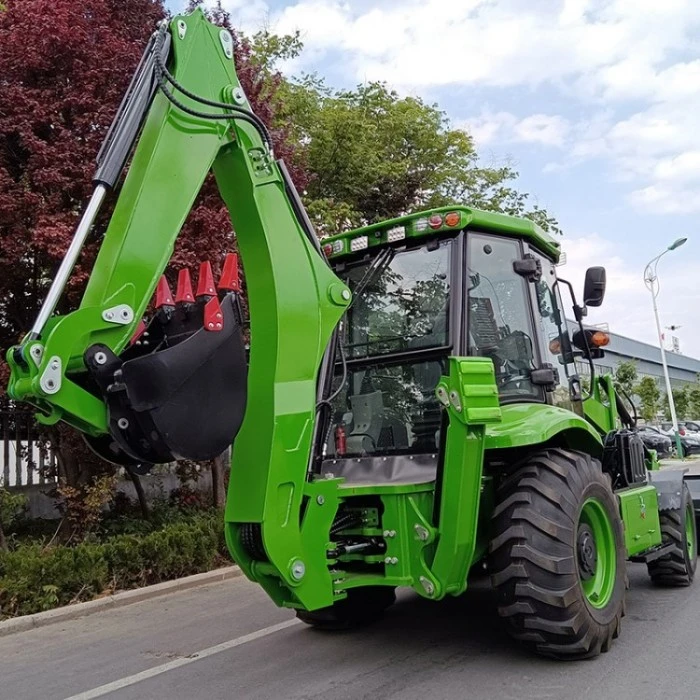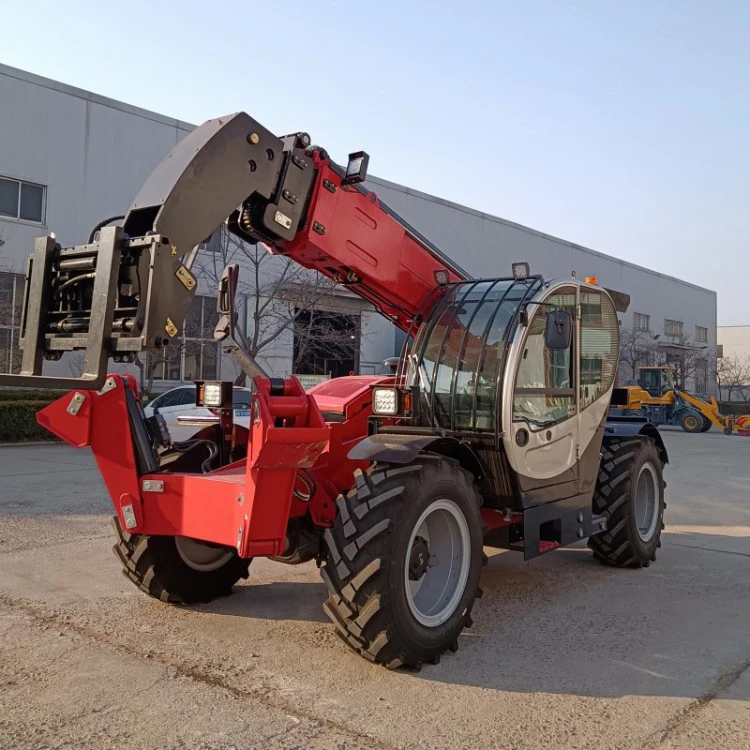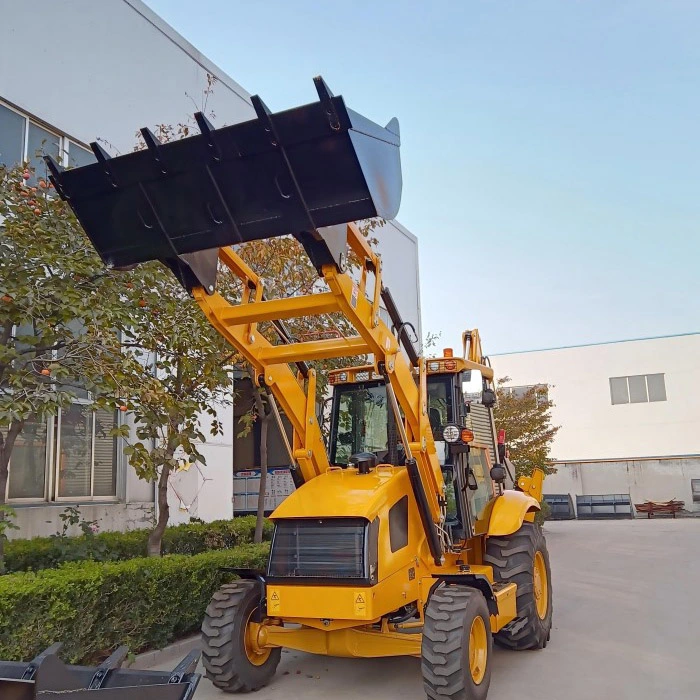

We offer a comprehensive one-stop sourcing solution across construction machinery, agricultural and forestry equipment, marine and power systems, hydraulic components, and new energy devices, all customizable to meet diverse project needs.
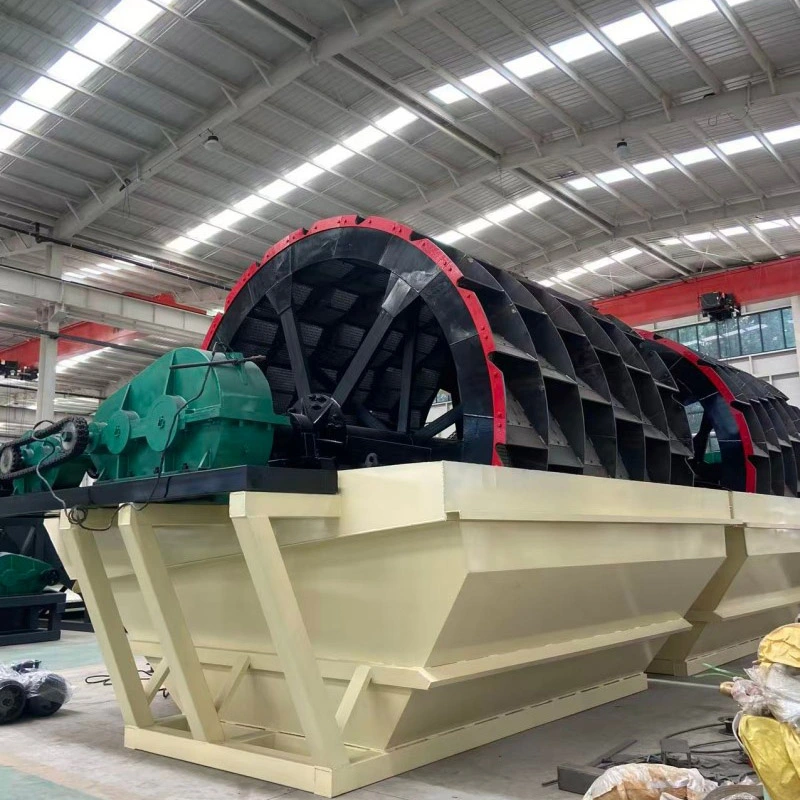
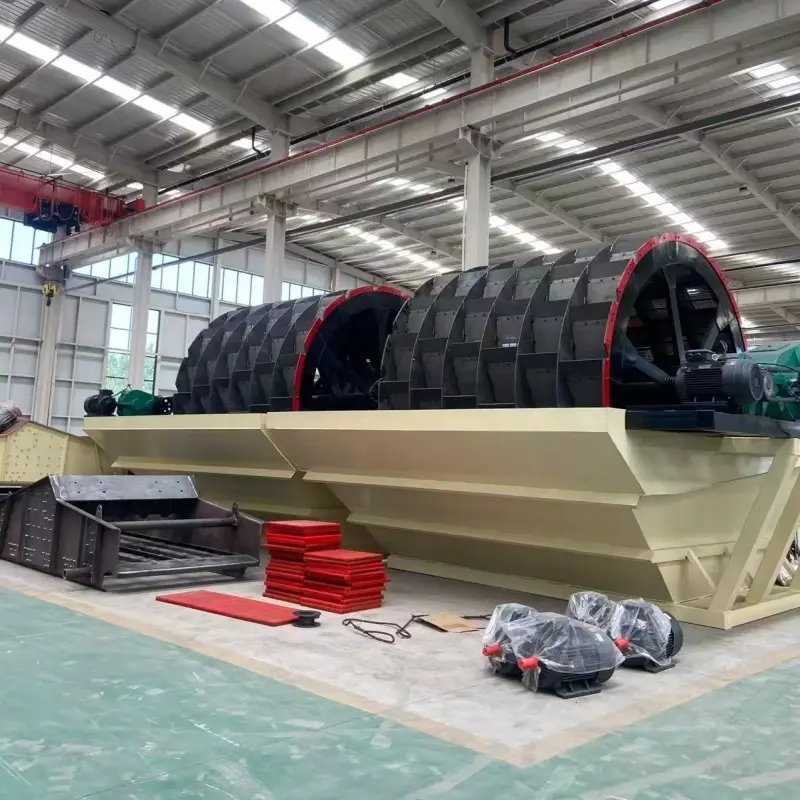
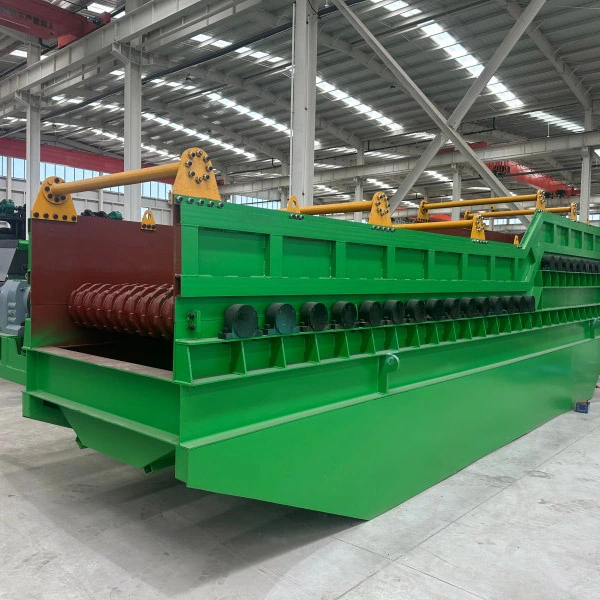
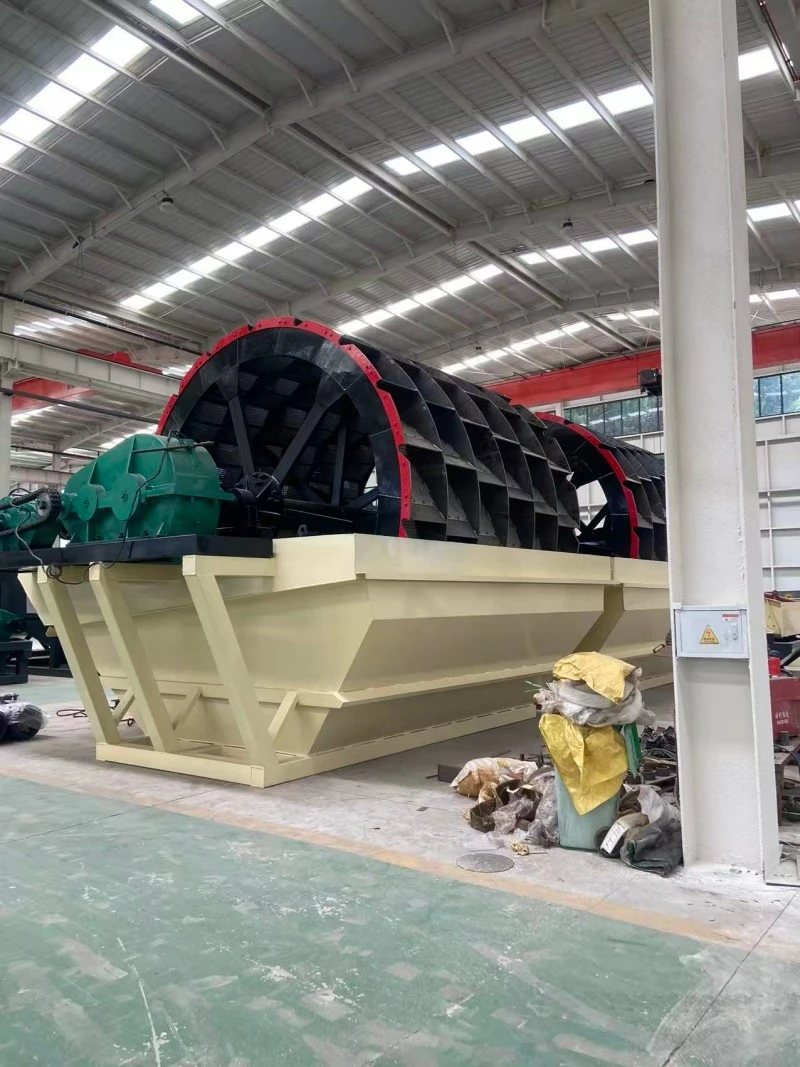
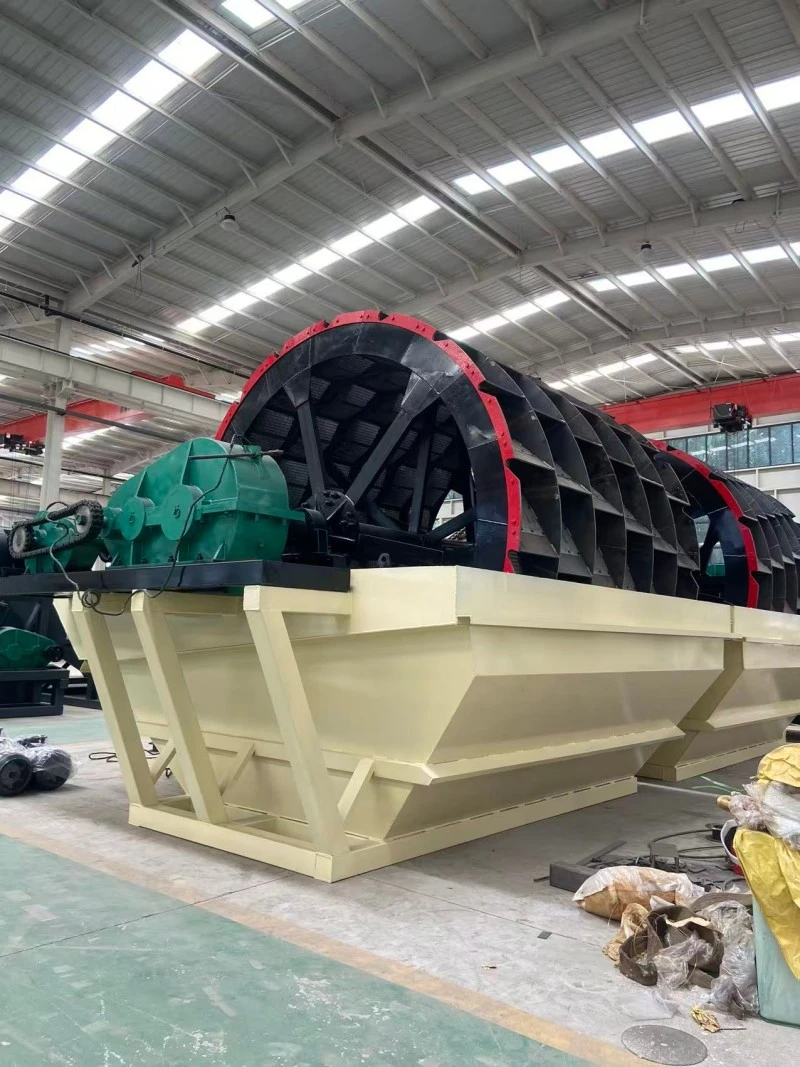
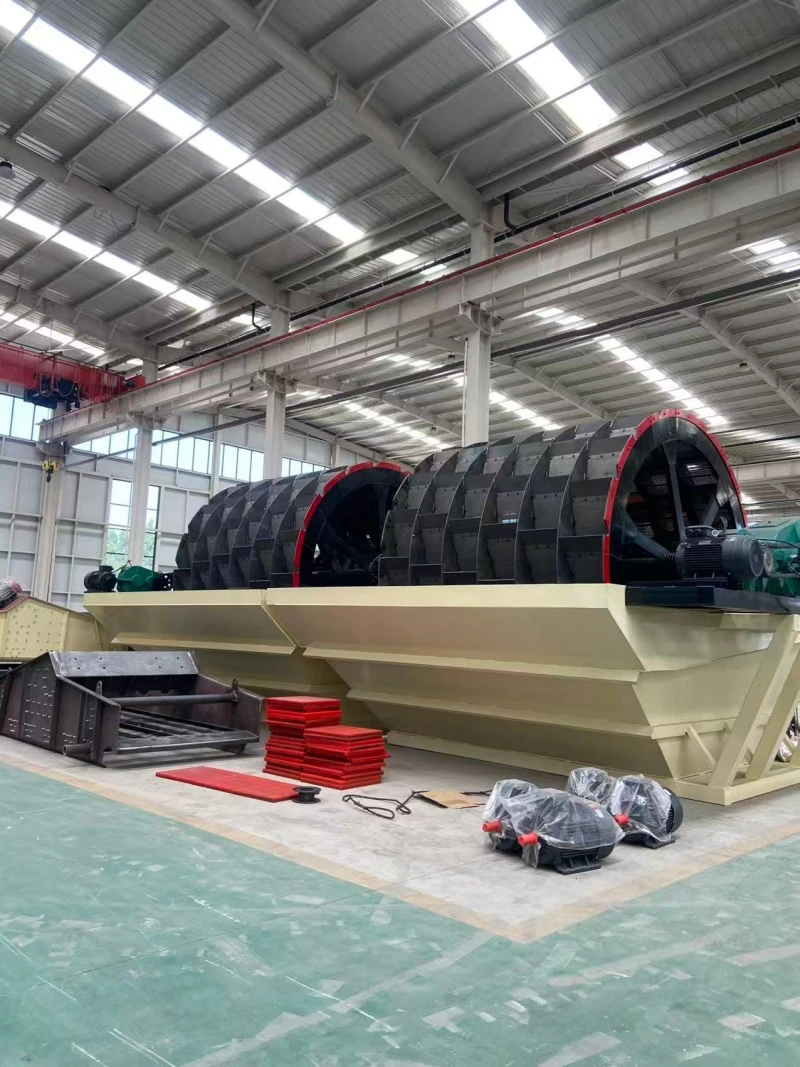
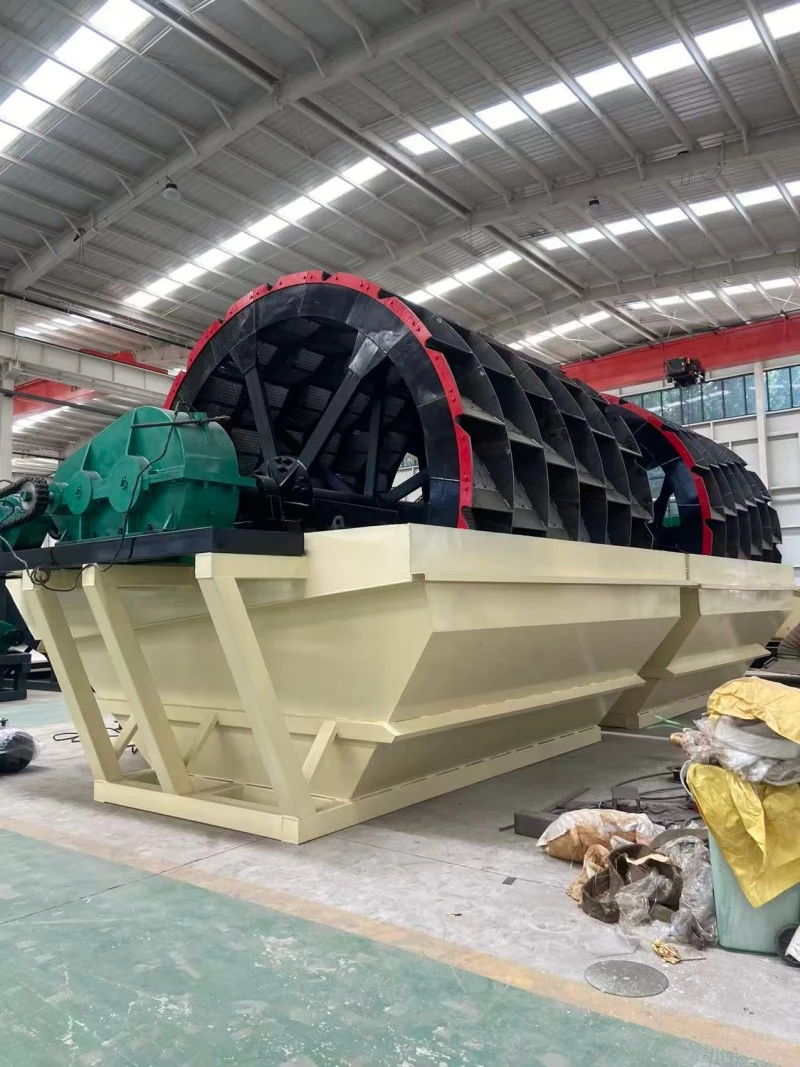
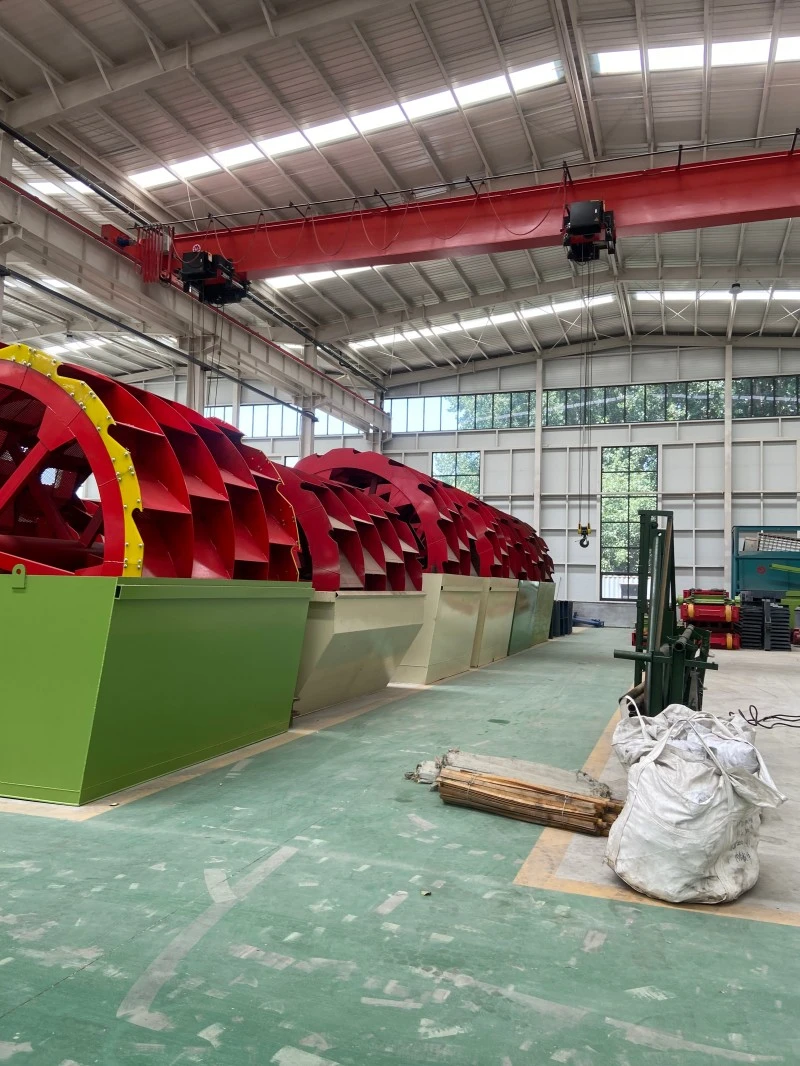
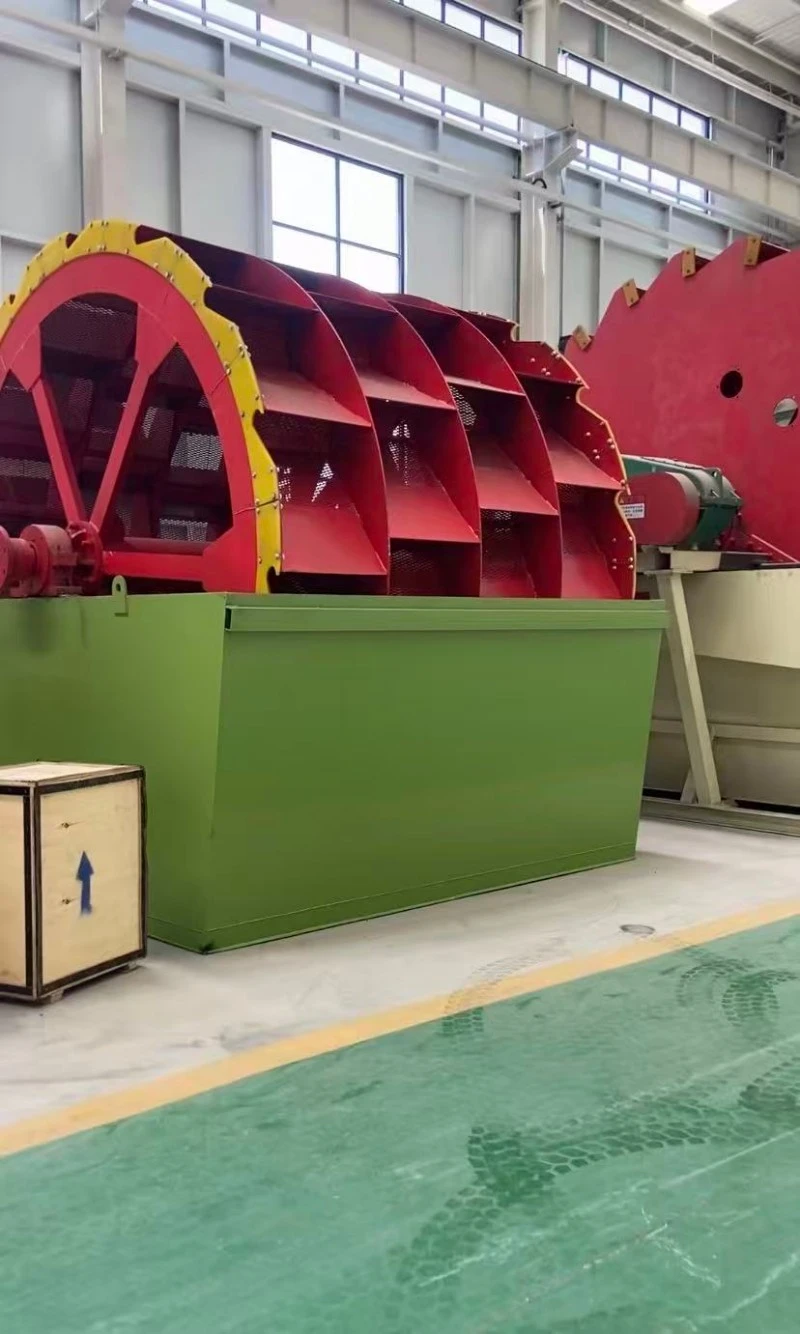
Qingzhou Mingxu Supply Chain Co., Ltd. supplies a Sand and Gravel Washing Equipment designed for cleaning manufactured sand, river pebbles, limestone, and mine tailings in aggregate production lines. The machine uses a deep water tank and two rows of large-diameter wheel buckets to separate mud, stone powder, and other impurities from the sand, producing cleaner final material.
The main structure is built from thickened carbon steel, with wear-resistant alloy lining plates at contact areas. A heavy-duty reducer drives the wheel buckets, and the tank bottom is shaped to reduce fine sand loss during washing. The unit is available for bulk purchase and can be integrated into complete sand processing lines.
| Item | Description |
|---|---|
| Machine Type | Double wheel bucket sand washer |
| Water Tank | Enlarged deep tank with overflow outlet |
| Wheel Buckets | Two rows, large diameter, wear-resistant blades |
| Drive System | Heavy-duty reducer with electric motor |
| Main Materials | Thickened carbon steel frame, wear-resistant alloy lining plates |
| Fine Sand Recovery | Sediment trap structure at tank bottom |
| Operation Mode | Continuous, suitable for 24-hour running |
The tank is filled with clean water before operation. Raw sand enters the tank and is fully soaked. The motor and reducer drive the two large wheel buckets at low speed. Wear-resistant blades on the buckets stir and lift the material continuously, causing sand particles to rub against each other and release mud and stone powder. The muddy water flows out through the overflow outlet. Clean sand is lifted by the rotating buckets and discharged onto a conveyor belt. A sediment trap at the bottom of the tank helps retain fine sand, reducing loss during the washing and grading process.
1. Before startup: Check the motor, drive chain, and lining plates for damage. Remove debris from the tank and fill with clean water to the required level.
2. Startup: Run the machine without load for a short period to confirm normal operation. Begin feeding material only after no abnormal noise or vibration is observed.
3. Operation: Maintain steady material feeding and adjust water supply according to mud content. Inspect the wheel buckets and overflow outlet regularly during production.
4. Shutdown: Stop feeding first, flush remaining sludge from the tank, then turn off the machine and water supply. Disconnect power after the machine comes to a complete stop.
5. Safety: Keep away from rotating wheel buckets during operation. Always cut power before maintenance or inspection.
1. High throughput with dual wheel buckets. Two wheel buckets work simultaneously, providing larger washing capacity than single-wheel designs and supporting medium to large sand production lines.
2. Effective mud removal. The deep water tank allows sufficient soaking and friction, which helps dislodge mud and stone powder from sand surfaces more thoroughly than shallow tank configurations.
3. Reduced fine sand loss. The bottom of the tank includes a settling zone where fine sand particles are captured and collected by the wheel buckets instead of being discharged with overflow water.
4. Durable construction. The wheel buckets and lining plates are cast from wear-resistant alloys, and the frame uses thickened carbon steel to extend the replacement cycle of major parts.
5. Stable drive system. The heavy-duty reducer provides steady torque with low vibration, contributing to lower failure rates and reduced energy consumption during long production runs.
6. Customizable configuration. Machine dimensions and capacity can be adjusted to match site layout and production targets, and the washer can be integrated into a complete sand processing line.
1. Manufactured sand production: washing and purifying sand produced by crushing to remove stone powder and mud, improving final sand quality.
2. Concrete batching plants: cleaning sand and aggregate before use to maintain concrete strength and consistency.
3. Road and bridge construction: washing aggregate for highway, national road, bridge, and tunnel projects.
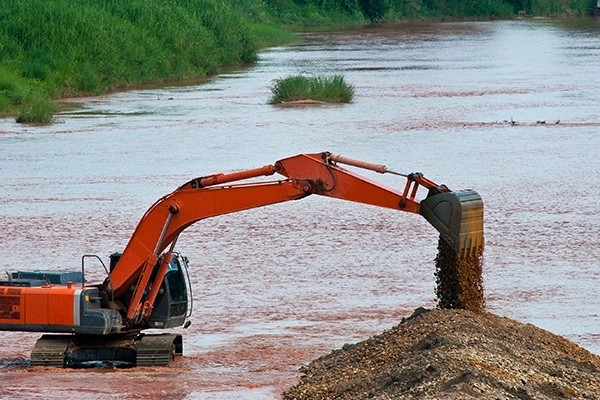
4. River sand mining: separating sediment and impurities from river-mined sand.
5. Mining auxiliary processing: removing mud and purifying crushed ore tailings.
6. Solid waste recycling: washing crushed construction waste and leftover stone material for reuse.
7. Stone processing plants: cleaning crushed stone and slabs to meet building material sales requirements.
The main structure and drive components are covered for 12 months or 1,000 working hours, whichever comes first. Wear parts such as wheel bucket blades and lining plates are not included in the warranty. Replacement parts can be supplied; freight and installation labor are the customer's responsibility.
Q1: What is the difference between a single wheel and a double wheel sand washer?
A1: A double wheel sand washer has two wheel buckets working in parallel, which increases the washing capacity for the same footprint. It is generally selected for medium and large production lines where higher throughput is required. A single wheel unit may be sufficient for smaller operations.
Q2: How does the machine control fine sand loss?
A2: The bottom of the water tank includes a sediment trap structure that allows fine sand to settle and be collected by the wheel buckets rather than flowing out with the overflow water. The actual fine sand recovery rate depends on the feed material characteristics and water flow settings.
Q3: What maintenance is required for continuous operation?
A3: Daily checks include inspecting the wheel bucket blades for wear, monitoring the reducer oil level, and cleaning the overflow outlet to prevent clogging. The water tank should be flushed regularly to remove settled mud. Spare blades and lining plates should be kept on site for long production runs.
Q4: Can the washer handle feed material with very high mud content?
A4: Yes, the deep water tank and double wheel design are suited to feed with moderate to high mud content. However, for extremely sticky clay, a pre-screening or attrition scrubber may be recommended before the washing stage to avoid excessive load on the wheel buckets.
Address
West end of Yadong Street, Qingzhou Economic Development Zone, China
Tel