
We offer a comprehensive one-stop sourcing solution across construction machinery, agricultural and forestry equipment, marine and power systems, hydraulic components, and new energy devices, all customizable to meet diverse project needs.
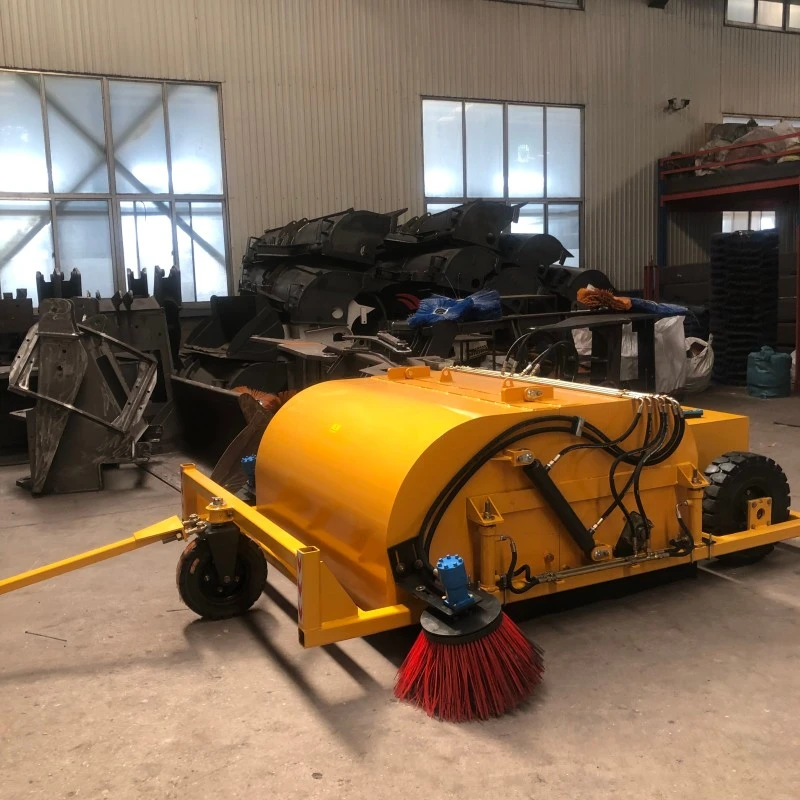
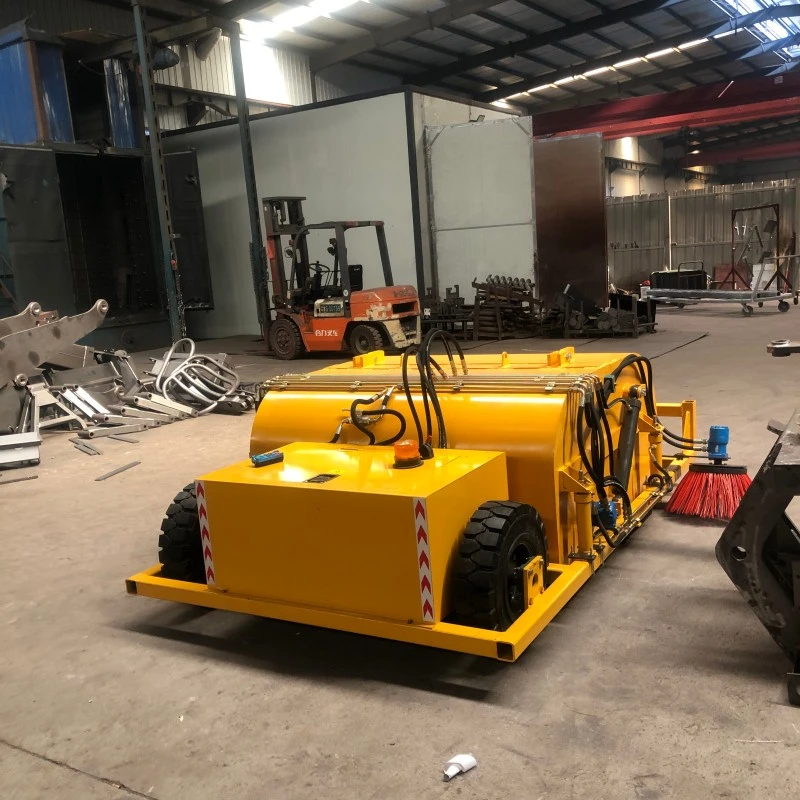
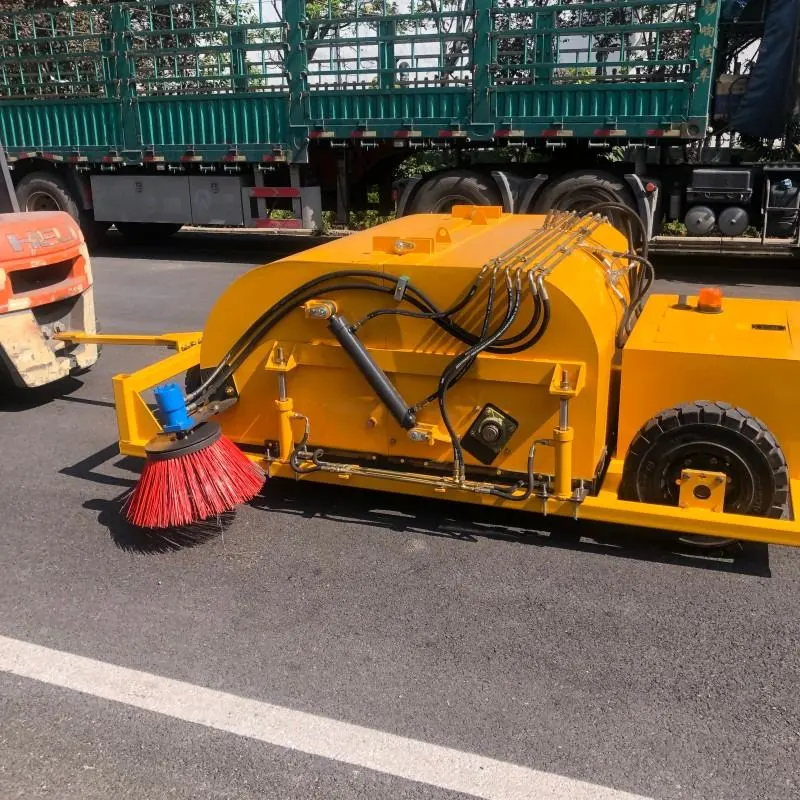
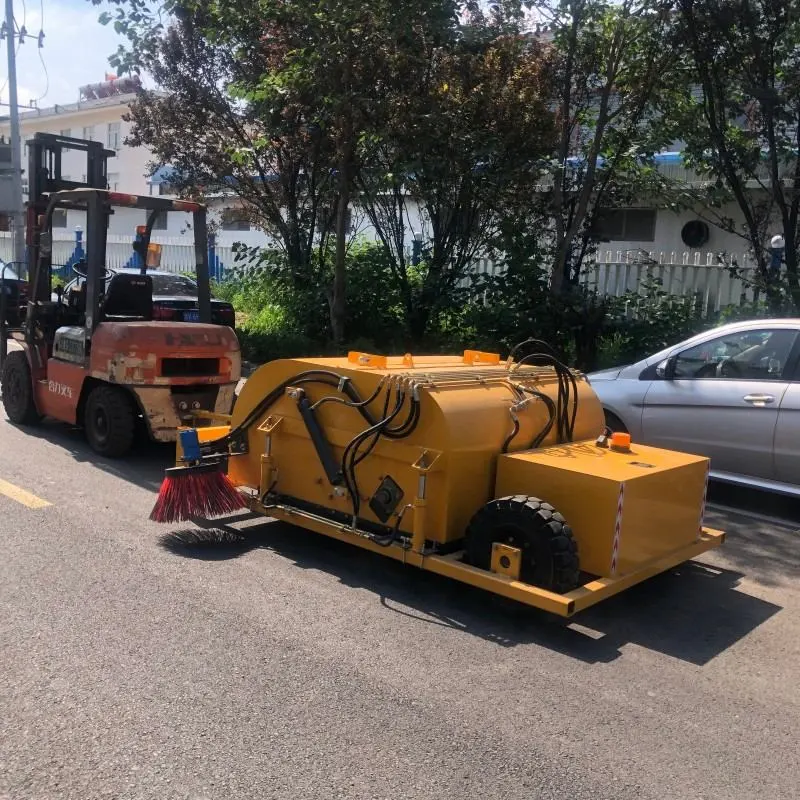
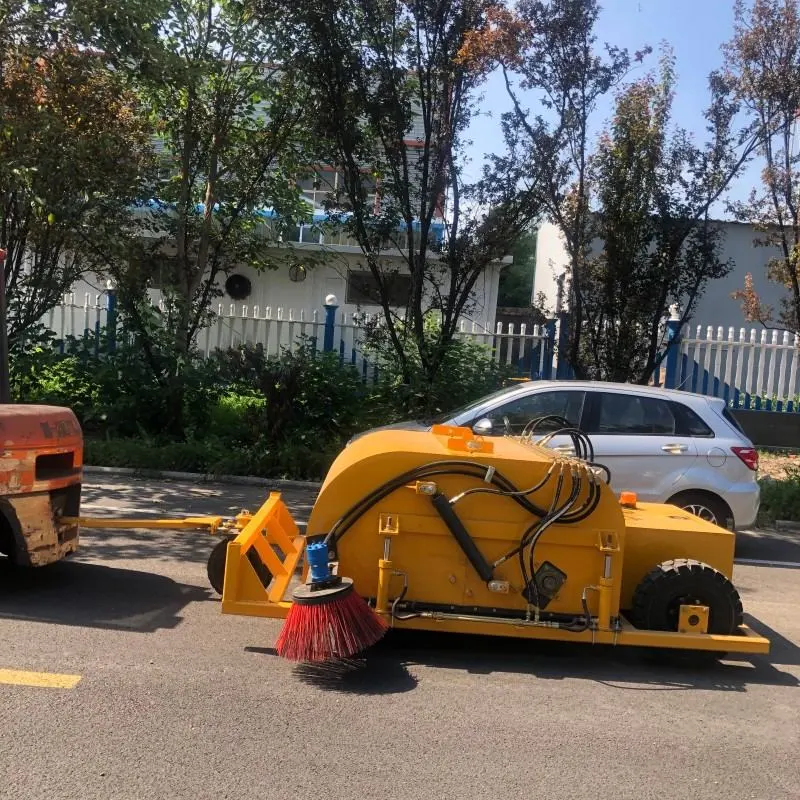
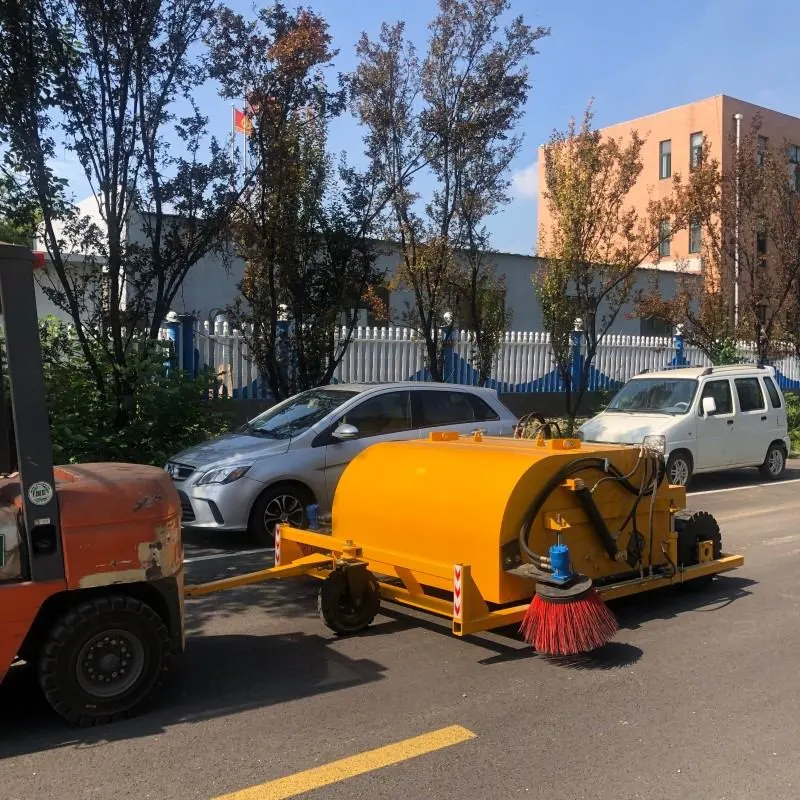
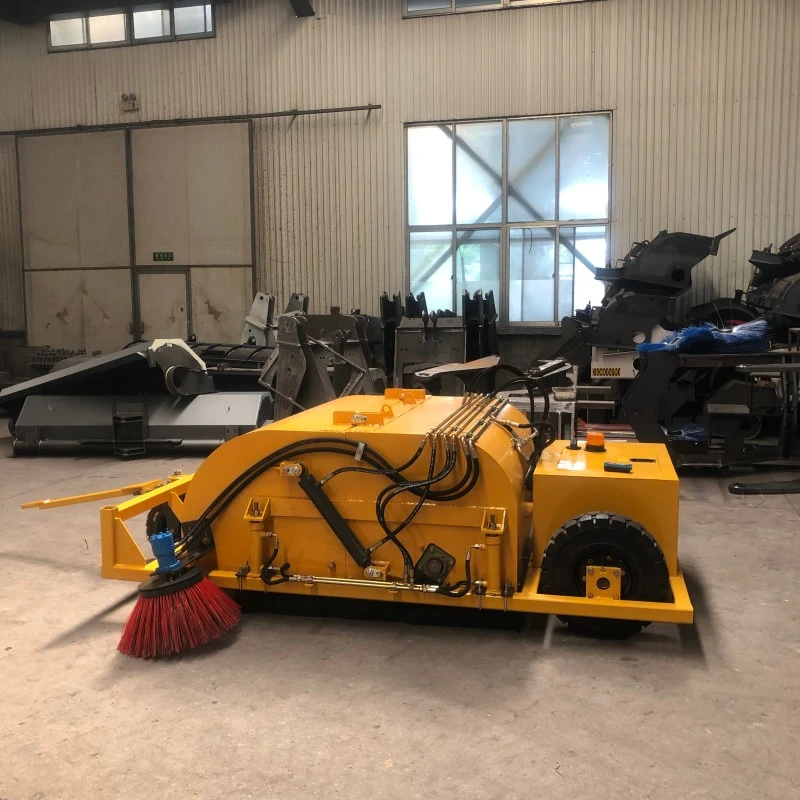
The Towed Trailer Sweeper from Qingzhou Mingxu Supply Chain is designed to operate with existing trucks, tractors, or other towing machines, eliminating the need for a dedicated chassis. It receives hydraulic power from the towing vehicle to drive its main and side brushes, and a water spray system is included to reduce airborne dust during sweeping.
The sweeper is built around a simple mechanical structure, intended for low daily maintenance and easy part replacement. It can be paired with different towing machines and is available in standard or customized sizes for bulk orders and export.
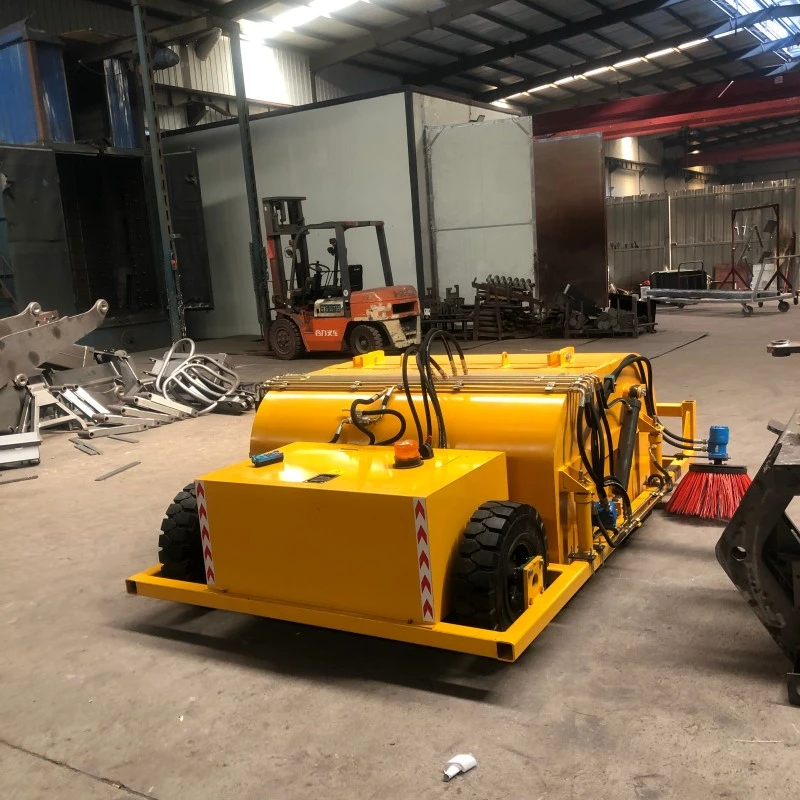
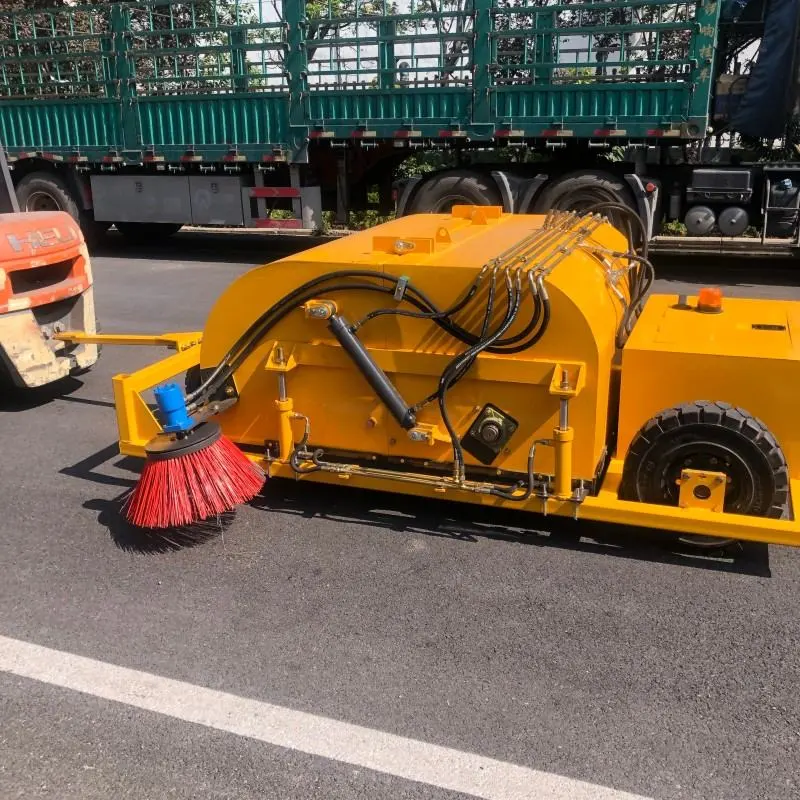
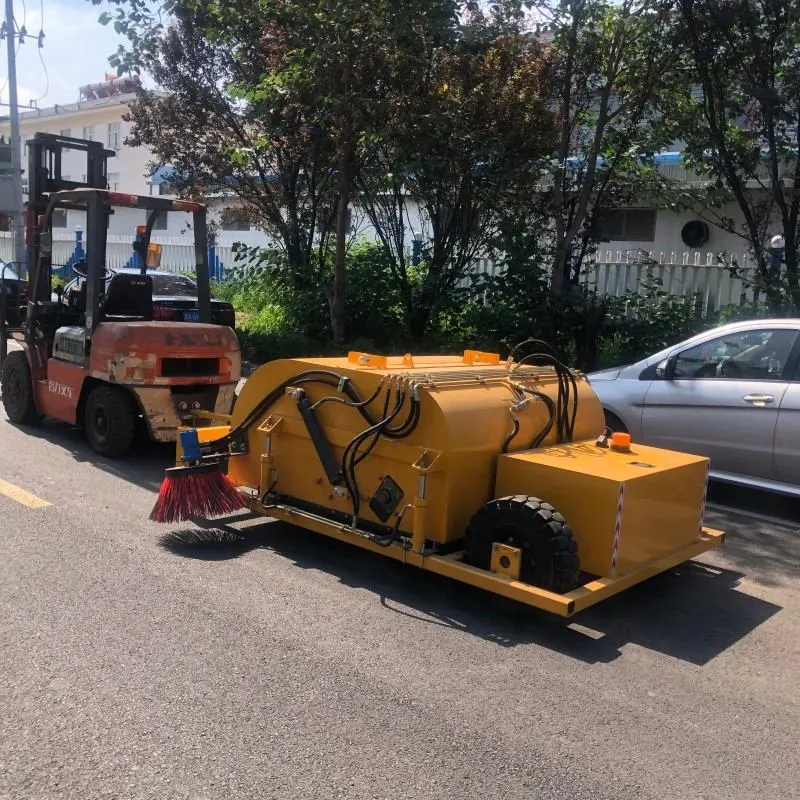
| Item | Parameter |
|---|---|
| Roller Brush Diameter | 650 mm |
| Sweeping Width | 1600 mm |
| Overall Dimensions (L×W×H) | 2000×1900×1000 mm |
| Weight | 1100 kg |
| Motor Model | 2K-100 |
| Roller Brush Material | 70% nylon + 30% steel wire mixed weave |
| Max. Roller Brush Rotating Speed | >150 r/min |
| Rubbish Bin Dumping Angle | 40° |
| Motor Quantity | 1 unit |
| Lifting Method | Lifting and rubbish dumping controlled by remote controller |
| Sweeping Capacity | 5000 m²/hour |
The Towed Trailer Sweeper is connected to the towing vehicle through a traction bracket and receives hydraulic power from the vehicle's hydraulic system. High-pressure hydraulic oil drives the sweeping brushes. As the towing vehicle moves forward, the rotating brushes sweep dust, gravel, and debris into the collection bin. A water tank supplies a spray to control airborne dust. Hydraulic cylinders adjust the brush height to match the road surface. Sweeping, waste collection, and dust suppression work synchronously with the towing vehicle, and no self-powered chassis is required.
Mixed bristle brush design. The main roller brush uses a woven combination of 70% nylon filaments and 30% steel wire. The steel wire segments provide the stiffness needed to dislodge compacted sand, small stones, and caked debris from road surfaces. The nylon filaments help sweep finer particles into the collection bin and reduce scratching on asphalt or concrete. This mixed construction is intended to extend brush life compared with all-nylon brushes when used on roads carrying construction traffic.
Dust suppression system. A water tank mounted on the sweeper feeds a spray bar positioned above the brush. The spray system wets the material being swept, which reduces the amount of fine dust that becomes airborne during operation. Water flow can be adjusted manually, and the system is designed for use in dry conditions where dust control is required. The tank should be filled before each shift, and the spray nozzles checked for clogging.
Multi-vehicle towing compatibility. The traction frame is adjustable in height and length to match different towing machines, including agricultural tractors, municipal trucks, and construction equipment. The connection point uses a standard hitch pin, allowing quick attachment and removal. The same sweeper can be moved between vehicles with minimal adjustment, which is useful for operators that do not have a dedicated sweeper carrier.
Lightweight but stable construction. The main frame is built from rectangular steel tubing with a designed cross-section that keeps the total weight at 1100 kg while providing sufficient rigidity for road sweeping. The wheel axle is positioned to balance the load between the brush and the collection bin, reducing sway during transport. The overall height and width are kept compact for easy storage and road transport.
1. Connection and setup: Park the sweeper on a flat road, connect it to the tractor hook, lock the pin securely, and adjust the traction frame height to match the towing vehicle.
2. Inspection: Check brush wear, gearbox oil level, and water tank level. Remove any leftover material from the collection bin.
3. No-load test: Tow the equipment at low speed for about 50 meters to verify brush rotation, water spraying, and wheel transmission. Begin formal operation only after confirming no abnormal noise or jamming.
4. Sweeping operation: Keep the tractor at a steady speed to reduce brush wear. Use the extended side brush to clean curbs and drain corners. Avoid large sharp stones and metal objects that could damage the brush or gears.
5. Waste monitoring: Check the bin level regularly. When the bin reaches about two-thirds full, empty it to maintain working efficiency.
1. No dedicated chassis required. The sweeper is towed by an existing tractor or truck, reducing total equipment investment.
2. Adjustable towing frame. The frame can be set to different heights and lengths, allowing one sweeper to work with multiple types of towing vehicles.
3. Wear-resistant mixed brush. The nylon and steel wire combination is designed for roads with moderate debris and helps protect the pavement while sweeping.
4. Integrated water spray. The onboard spray system helps reduce dust during operation, making the sweeper suitable for use near residential or commercial areas.
5. Simple maintenance. The mechanical structure has few wearing parts, and brushes, bearings, and hoses can be replaced with standard tools.
1. Urban and rural municipal roads: cleaning gravel, fallen leaves, and muck from national highways, provincial roads, and township asphalt roads.
2. Mining and aggregate stockyards: large-area clearing of ore transport roads, stockyard gravel dust, and slag waste.
3. Large logistics parks: daily cleaning of sediment and packaging fragments on outer ring roads and truck loading zones.
4. Concrete batching plants: regular sweeping of cement residue and gravel waste on factory transport roads.
5. Demolition and infrastructure construction sites: fast clearing of construction waste on temporary access roads and muck yards.
6. Agriculture and forestry industrial parks: removal of dead branches and soil debris on farm main roads and nursery outdoor lanes.
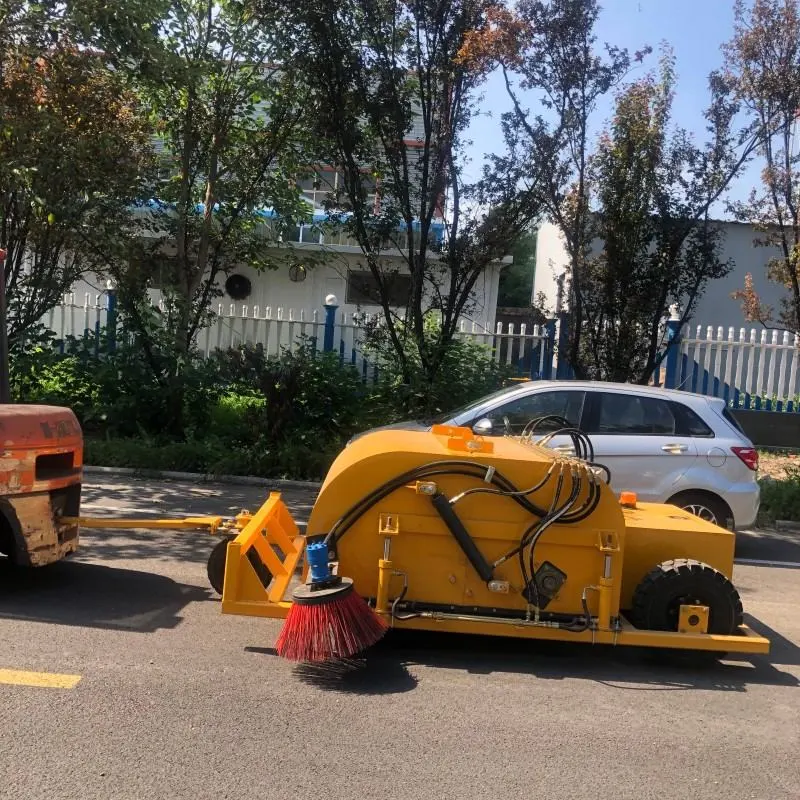
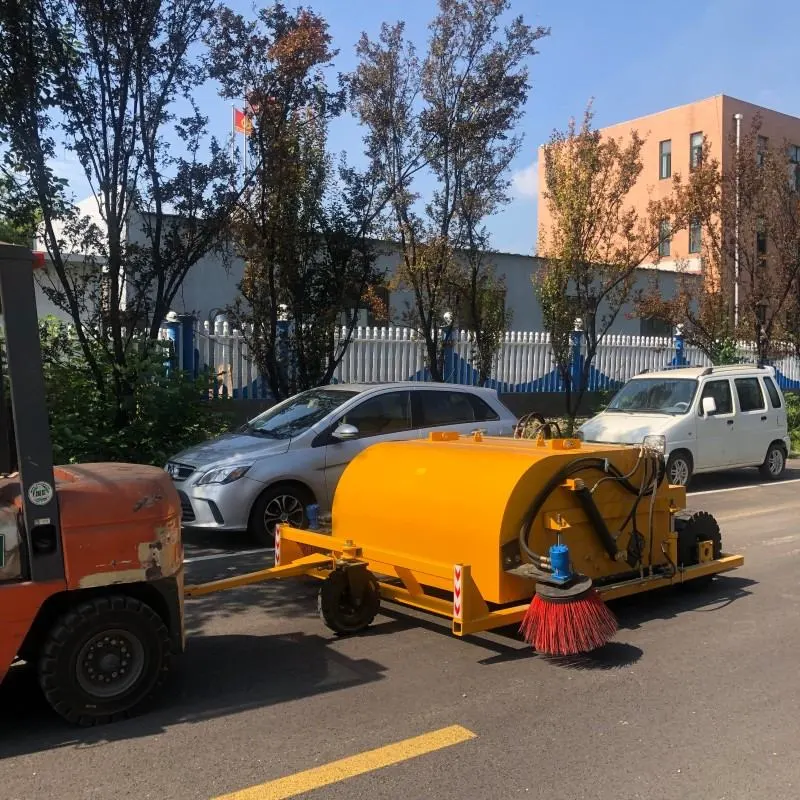
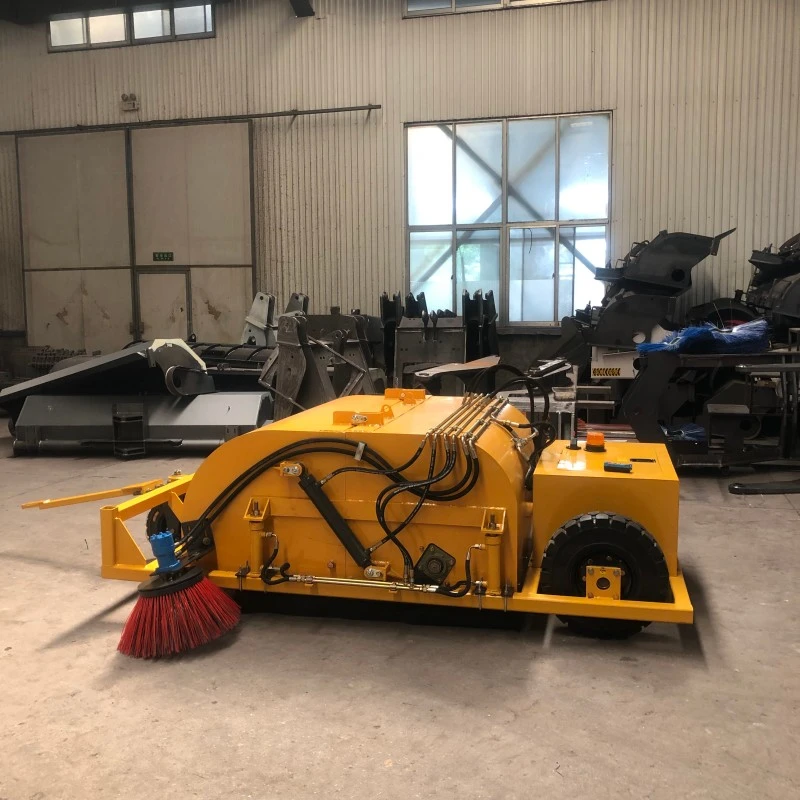
The sweeper is covered by a 12-month or 1,000-working-hour warranty, whichever comes first. Wear parts such as brushes, bearings, and hydraulic seals are not included in the free warranty. Replacement parts can be supplied; shipping and installation labor are the customer's responsibility.
Q1: What type of towing vehicle is required for this sweeper?
A1: The sweeper can be towed by agricultural tractors, municipal trucks, or other vehicles with a standard hitch. The towing vehicle must have an auxiliary hydraulic output to power the brush motor. The adjustable traction frame allows height adjustment to match different hitch positions. If your vehicle does not have a hydraulic output, a separate hydraulic power pack can be supplied as an option.
Q2: How often should the brush be replaced?
A2: Brush life varies depending on the road surface and the amount of abrasive material swept. Under normal municipal use, the brush typically lasts 500 to 800 working hours. Inspect the brush weekly. When the bristle length is reduced by about half, or when sweeping performance noticeably declines, replacement is recommended. Spare brushes are available as a stocked part.
Q3: Can the dust suppression system be used in winter conditions?
A3: The water spray system is intended for dust control in dry weather. In freezing temperatures, the water tank and nozzles can freeze and cause damage. If the sweeper will be used in winter, the water system should be drained completely after each use, and the unit should be stored in a heated area when possible. For winter operation without dust suppression, the spray system can be shut off.
Q4: How is the waste bin emptied?
A4: The collection bin is raised by a hydraulic cylinder controlled from the towing vehicle or by the included remote controller. The bin tilts to a 40° angle, allowing the collected debris to slide out. The bin should be emptied onto a prepared area or into a truck. The lifting mechanism is designed for simple one-person operation.
Address
West end of Yadong Street, Qingzhou Economic Development Zone, China
Tel